


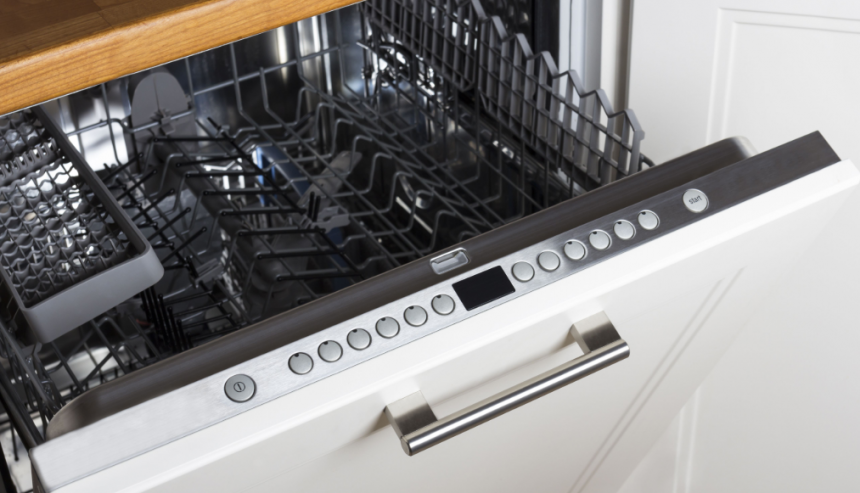
Dishwasher mold smell comes from mold and mildew growing in hidden areas, including the filter, spray arms, rubber door gasket, drain, and interior walls, due to trapped food particles, standing water, and Burlington’s hard water creating mineral buildup. To eliminate dishwasher mold smell: clean the filter and spray arms, scrub the door gasket and interior with vinegar, run empty cycles with vinegar and baking soda, and establish monthly maintenance. If dishwasher mold smell persists after deep cleaning, mold may have penetrated internal components, requiring professional assessment. Burlington’s hard water (15-25 grains per gallon) accelerates buildup, causing dishwasher mold to smell faster than soft water areas. Prevention requires monthly cleaning, proper loading, using rinse aid, and running hot water before cycles.
You open your dishwasher to unload clean dishes, and instead of that fresh, clean smell, you get hit with something that smells like a damp basement.
Musty. Moldy. Definitely not clean.
Your first thought: “How can my dishwasher smell like mold when it literally cleans things with hot water and detergent every day?”
Great question. And unfortunately, dishwasher mold smell is incredibly common, especially here in Burlington, where our hard water makes the problem worse than in other areas.
The good news? Most dishwasher mold smells can be eliminated with a thorough deep cleaning that takes about an hour. The bad news? If you have been ignoring the problem, mold might have established in places you cannot easily reach, and that requires a different approach.
Let me walk you through exactly why your dishwasher smells moldy, how to fix it yourself, when the problem is bigger than DIY cleaning can handle, and how to prevent that dishwasher mold smell from ever coming back.
Why Your Dishwasher Smells Moldy (It’s Not Just Dirty Dishes)
Here is the thing most people do not realize: your dishwasher is actually a perfect environment for mold growth.
Think about it. Mold needs three things to grow:
- Moisture ✓ (your dishwasher is wet constantly)
- Food source ✓ (food particles trapped in filter and crevices)
- Warm temperatures ✓ (hot water cycles create warmth)
Your dishwasher literally provides everything mold needs to thrive.
The Hidden Mold Hotspots in Your Dishwasher
Dishwasher mold smell does not usually come from visible surfaces you can see. It comes from hidden areas where water, food particles, and warmth combine:
The Filter (Biggest Culprit): Most people do not even know their dishwasher has a filter, let alone that it needs cleaning. This filter traps food particles, preventing them from recirculating onto dishes. When not cleaned regularly, it becomes a disgusting soup of decomposing food particles—perfect mold food.
Spray Arms: Those spinning arms that spray water have small holes that can clog with food particles and mineral deposits. Trapped debris creates mold growth inside and around the holes.
Rubber Door Gasket: The rubber seal around the door stays damp constantly and traps food particles and moisture in its folds. This is mold heaven.
Door Interior: The inside of the dishwasher door, especially the bottom edge, collects water and debris that never fully dries between cycles.
Drain and Sump Area: Standing water in the drain area provides constant moisture for mold growth, especially if food particles are present.
Interior Walls and Racks: Hard water mineral deposits create rough surfaces where mold can attach and grow, especially in corners and crevices.
Why Burlington Makes the Problem Worse
If you live in Burlington, Kenosha, Racine, or surrounding southeastern Wisconsin areas, you are dealing with hard water—water with high mineral content (15-25 grains per gallon in most Burlington areas).
Hard water creates additional problems:
Mineral buildup creates rough, porous surfaces where mold attaches easily.
Soap scum from detergent reacting with minerals provides additional food for mold.
Reduced cleaning effectiveness means food particles are not fully removed, leaving mold food behind.
Film on dishes and dishwasher interior traps moisture and debris.
This is why Burlington homeowners often struggle with dishwasher mold smell more than people in soft water areas. You are fighting both mold and mineral buildup simultaneously.
The Complete Deep Clean: Eliminating Dishwasher Mold Smell
Alright, let’s fix this. Here is the step-by-step process to eliminate dishwasher mold smell.
Time required: 60-90 minutes. Difficulty: Easy to moderate. Cost: $5-15 for supplies
What You Will Need
- White vinegar (2-3 cups)
- Baking soda (1 cup)
- Dish soap
- Old toothbrush or small scrub brush
- Microfiber cloths or paper towels
- Rubber gloves
- Flashlight
Step 1: Empty and Inspect (10 minutes)
Remove all dishes and racks from the dishwasher.
Inspect for visible mold:
- Look at the door gasket folds
- Check corners and crevices
- Examine spray arm holes
- Look at the filter area (if you can see it)
- Check interior walls for black, green, or white spots
Take photos of any visible mold. If you see extensive mold growth covering large areas, you might have a bigger problem requiring professional assessment.
Step 2: Clean the Filter (15 minutes)
Locate your filter: Most dishwashers have the filter on the bottom of the tub. Consult your manual or search “[your dishwasher brand] filter location” online.
Remove the filter: Usually twists or lifts out. This might be gross—prepare yourself.
Clean the filter thoroughly:
- Rinse under hot water, removing obvious debris
- Soak in sink with hot water and dish soap for 5 minutes
- Scrub with a toothbrush, removing all trapped particles and film
- Rinse thoroughly until the water runs clear
- Inspect for damage (replace if cracked or damaged)
If your filter is covered in black slime or mold, that is your primary dishwasher mold smell source.
Step 3: Clean Spray Arms (15 minutes)
Remove spray arms: Most pull off or unscrew. Check your manual if it’s not obvious.
Clean spray arm holes:
- Run under water, forcing debris out of holes
- Use a toothpick or a small brush to clear clogged holes
- Soak in vinegar solution (1:1 vinegar to water) for 5 minutes
- Scrub exterior and interior with a brush
- Rinse thoroughly
Reinstall spray arms, ensuring they spin freely.
Step 4: Clean Door Gasket and Interior (20 minutes)
Door gasket:
- Dip the cloth in vinegar
- Pull the gasket folds open, exposing hidden areas
- Wipe thoroughly, removing all food particles, slime, and mold
- Use a toothbrush for stubborn areas
- Dry with a clean cloth
Door interior:
- Wipe the entire inside surface of the door with vinegar
- Pay special attention to the bottom edge, where water collects
- Clean around the door latch and hinges
- Scrub any visible mold spots
Interior walls, racks, utensil holder:
- Wipe all interior surfaces with a vinegar cloth
- Scrub corners and crevices
- Clean the silverware basket thoroughly
- Remove and clean any removable parts
Step 5: Vinegar Cycle (Empty Dishwasher Run)
- Place 2 cups of white vinegar in a dishwasher-safe container on the top rack
- Run hottest, longest cycle available
- Vinegar cuts through grease, mineral deposits, and kills some mold
Why vinegar works:
- Acetic acid kills many mold species
- Dissolves mineral deposits from hard water
- Cuts through grease and soap scum
- Deodorizes naturally
Step 6: Baking Soda Cycle
After the vinegar cycle completes:
- Sprinkle 1 cup of baking soda across the bottom of the dishwasher
- Run a short hot water cycle
- Baking soda neutralizes odors and provides a gentle scrubbing action
Step 7: Final Inspection and Drying
- Open dishwasher and inspect for remaining odor
- Wipe down any remaining moisture
- Leave door open 2-3 hours allowing complete drying
- Check for lingering dishwasher mold smell
If smell is gone: Success! Move to prevention strategies.
If smell persists: You likely have mold in inaccessible areas or more serious issues. See “When DIY Cleaning Is Not Enough” section below.
Burlington Hard Water Solutions for Dishwasher Mold Smell
Since Burlington’s hard water contributes to dishwasher mold smell, addressing mineral buildup is critical:
Use Rinse Aid Religiously
Rinse aid is not optional in hard water areas. It:
- Helps water sheet off dishes and interior surfaces
- Reduces water spots and mineral deposits
- Improves drying performance
- Reduces moisture where mold grows
Keep your rinse aid dispenser full always.
Monthly Descaling Treatment
Use commercial dishwasher descaler or citric acid monthly:
- Run an empty dishwasher with descaling product
- Removes mineral buildup, preventing mold attachment
- Improves cleaning performance
DIY descaler: 1 cup citric acid powder in detergent dispenser, run hottest cycle.
Consider Water Softener
If you experience chronic hard water problems throughout your home, whole-house water softener installation eliminates mineral deposits in all appliances, not just the dishwasher.
Cost: $1,500-$3,000 installed. Benefit: Eliminates hard water problems permanently
Prevention: Stopping Dishwasher Mold Smell Before It Starts
Once you have eliminated dishwasher mold smell, preventing recurrence is straightforward:
Daily Habits
Scrape dishes before loading (do not rinse unless heavily soiled—modern dishwashers need some food particles for detergent to work on).
Run hot water at the sink before starting the dishwasher, ensuring the cycle starts with hot water, not cold.
Use the correct amount of detergent (too much creates residue; too little leaves food behind).
Leave the door cracked after the cycle completes, allowing the interior to dry completely (at least 30 minutes).
Weekly Tasks
Wipe the door gasket with a damp cloth, removing visible debris.
Check filter for obvious buildup (clean if necessary).
Run an empty hot cycle with vinegar if the dishwasher is lightly used (less than 4 cycles per week).
Monthly Maintenance
Deep clean filter following Step 2 process.
Clean spray arms, removing any buildup.
Wipe the interior with a vinegar cloth.
Run vinegar and baking soda cycles as described above.
Check and refill rinse aid.
This monthly routine takes 30 minutes and prevents dishwasher mold smell from ever developing.
When DIY Cleaning Is Not Enough
Sometimes, dishwasher mold smell persists despite thorough cleaning. This indicates mold has penetrated areas you cannot access.
Signs You Have a Bigger Problem
Smell returns within days after deep cleaning.
Visible mold keeps reappearing in the same spots despite cleaning.
Dishwasher mold smell is overwhelming even after multiple cleaning cycles.
You see mold behind the kickplate or around the dishwasher exterior.
Water pools in the bottom after cycles complete (drain problem).
Dishes come out with mold spots or musty smell.
Possible Serious Issues
Drain hose problems: Kinked, clogged, or improperly installed drain hose causes standing water and mold growth.
Failed door seal: Damaged gasket allows water to leak into cabinet or walls, creating hidden mold growth.
Ventilation problems: Dishwasher not venting or trapping moisture properly inside.
Internal mold growth: Mold established in the pump, hoses, or other internal components that you cannot access.
Kitchen water damage: Dishwasher leak damaged surrounding cabinets or flooring, creating a mold source that affects the dishwasher area.
If you suspect any of these issues, a professional assessment is necessary.
When Dishwasher Mold Smell Indicates Hidden Mold Problems
Here is something Burlington homeowners need to understand:
Sometimes dishwasher mold smell is not coming from the dishwasher. It is coming from mold behind or beneath the dishwasher.
Dishwashers can leak slowly for months without obvious signs. That water seeps into:
- Cabinet beneath and around the dishwasher
- Flooring under dishwasher
- Wall behind dishwasher
- Kick plate area
This hidden moisture creates mold growth that smells similar to dishwasher mold smell, making you think the dishwasher is the problem when actually the problem is surrounding water damage.
Warning Signs of Hidden Mold
Floor feels soft or spongy near the dishwasher.
Cabinet bottoms are warped or discolored.
Persistent musty smell even with dishwasher door open.
Mold visible on cabinet surfaces near dishwasher.
Water stains on cabinet sides or floor.
If you notice any of these signs, the problem is bigger than dishwasher cleaning. You need professional mold inspection and potentially water damage restoration.
PuroClean of Burlington provides complete mold removal services for situations where dishwasher leaks or other appliance failures have created hidden mold growth in kitchens.
When to Call Professionals vs. DIY
DIY cleaning works for: ✓ Regular maintenance of odors
✓ Mild musty smell from infrequent cleaning
✓ Visible mold limited to accessible areas
✓ Dishwasher functioning normally otherwise
Professional help needed for: ✓ Persistent smell after thorough deep cleaning
✓ Visible mold behind or around dishwasher
✓ Suspected water damage to cabinets or flooring
✓ Mold appearing on dishes despite cleaning
✓ Dishwasher malfunctioning (not draining, leaking)
For appliance repair: Contact the dishwasher manufacturer or an appliance repair service if mechanical problems exist.
For mold remediation: Contact professional mold removal services if water damage or extensive mold growth is suspected beyond the dishwasher itself.
Service Areas: Professional Help Available Throughout Southeastern Wisconsin
PuroClean of Burlington provides professional mold inspection and removal services throughout Burlington, Kenosha, Racine, Waterford, Lake Geneva, Twin Lakes, Janesville, Beloit, and all surrounding southeastern Wisconsin communities.
We also serve northern Illinois, including Antioch, Spring Grove, McHenry, Gurnee, and Lake Villa.
If dishwasher mold smell led you to discover larger mold problems in your kitchen or home, our IICRC-certified technicians provide:
- Free mold assessments
- Professional mold testing and identification
- Complete mold remediation following industry standards
- Water damage restoration if an appliance leaks occurred
- Moisture source identification and correction
- Prevention planning
FAQs: Dishwasher Mold Smell
Why does my dishwasher smell moldy even after cleaning?
Dishwasher mold smell persisting after deep cleaning indicates mold in inaccessible areas like internal hoses, pump, or drain system, or mold growth in cabinets/flooring from previous leaks. May also indicate hard water mineral buildup, creating surfaces where mold attaches despite cleaning efforts. Try descaling treatment; if the smell persists, a professional assessment is recommended.
Can dishwasher mold make you sick?
Yes. Mold exposure from dishwasher mold smell can cause allergic reactions, respiratory irritation, asthma attacks, and other health effects, especially in sensitive individuals. Additionally, mold contaminating dishes poses a direct ingestion risk. If the dishwasher mold smell is strong or the dishes smell musty, stop using the dishwasher until thoroughly cleaned and the smell is eliminated.
How often should I clean my dishwasher to prevent mold smell?
Monthly deep cleaning prevents dishwasher mold smell in most homes. Weekly quick maintenance (wipe gasket, check filter) helps between deep cleans. Homes with hard water or heavy dishwasher use may need cleaning every 2-3 weeks. If you notice any musty smell developing, clean immediately before mold establishes.
Does vinegar kill mold in dishwashers?
Vinegar kills some mold species and removes many others through mechanical action, but is not an EPA-registered antimicrobial. For surface mold on accessible dishwasher parts, vinegar cleaning is usually sufficient. For extensive mold growth or a persistent dishwasher mold smell, professional antimicrobial treatment may be necessary.
Can I use bleach to clean moldy dishwasher?
No. Never use bleach in dishwashers—it can damage rubber gaskets, seals, and interior components, and creates toxic fumes when mixed with dishwasher detergent residues. Vinegar and baking soda are safer, effective alternatives. For stubborn dishwasher mold smell, use dishwasher-safe descaling products, not bleach.
Is dishwasher mold smell covered by homeowners insurance?
Generally no. Dishwasher mold smell from normal use and maintenance neglect is not covered. However, if the dishwasher leaked, causing water damage and mold growth in surrounding cabinets or flooring, the resulting damage may be covered depending on your policy. Document any water damage and consult your insurance agent.
Get Professional Mold Help in Burlington
If your dishwasher mold smell persists despite cleaning, or if you have discovered water damage or mold growth around your dishwasher, a professional assessment ensures the problem is properly identified and remediated.
PuroClean of Burlington provides comprehensive mold removal services for homeowners throughout Burlington, Kenosha, Racine, and southeastern Wisconsin, dealing with mold from appliance leaks, water damage, or moisture problems.
Our Services Include:
- Free mold assessments and inspections
- Professional mold testing and identification
- Complete mold remediation following IICRC standards
- Water damage restoration from appliance leaks
- Moisture source identification and prevention
- IICRC-certified technicians
- Insurance claim documentation and support
Do not let dishwasher mold smell compromise your family’s health or indicate larger hidden problems. Professional assessment provides peace of mind and proper solutions.
Persistent Dishwasher Mold Smell After Cleaning?
PuroClean of Burlington: Professional Mold Assessment
(262) 342-2226
Free Mold Inspections | IICRC-Certified | Veteran-Owned
Serving Burlington, Kenosha, Racine & All Southeastern Wisconsin
PuroClean of Burlington 📞 Call Now: (262) 342-2226 🕒 Available 24/7 — Because disasters don’t wait.
🔗 Quick Links: Instagram | Google Reviews & Directions | Facebook | Pinterest