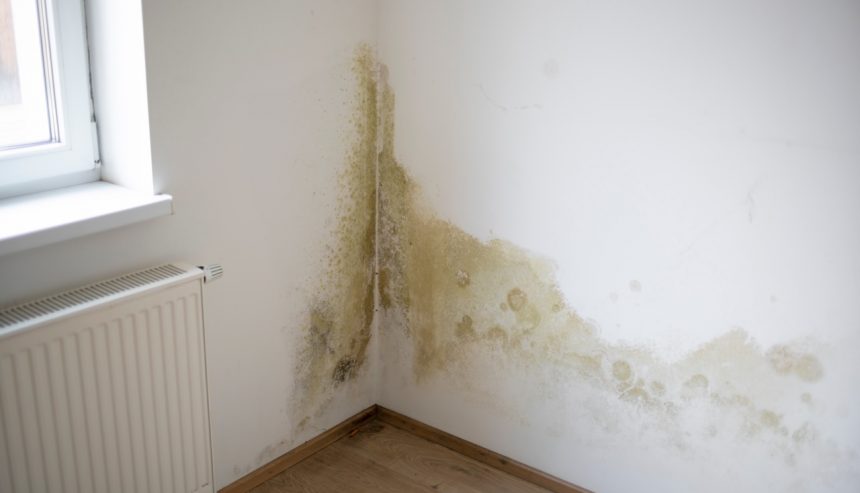
Mold remediation in Burlington is a sequence, not a single treatment. Nine steps work in order: inspect and assess, correct the moisture source, set up containment, filter the air, remove contaminated porous materials, clean remaining surfaces, apply antimicrobial treatment where appropriate, dry the structure completely, and verify the result. The most important point is that mold returns whenever moisture remains. Cleaning without fixing the water problem, or skipping verified drying, is the most common reason remediation fails. Professional mold remediation in Burlington follows every step so it solves the problem, not just hides it.
Mold Remediation in Burlington: Why Order Matters More Than Any Single Product
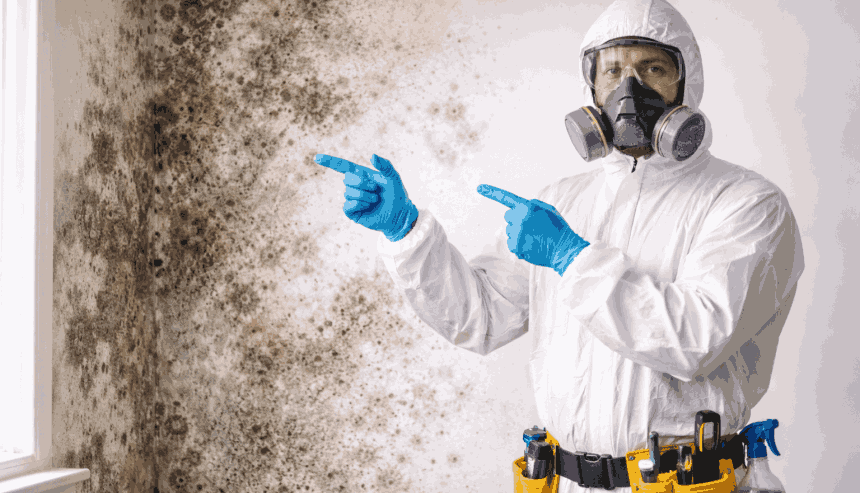
You found mold. Maybe it was a dark patch in the basement, a musty corner in a closet, or staining on a ceiling.
The first question is usually “what do I spray on it?” The better question is “why is it there?” Mold remediation in Burlington succeeds when the sequence is right: start with moisture, then prove the space is dry.
For professional mold remediation in Burlington, call PuroClean of Burlington at (262) 342-2226. We respond 24/7.
I have seen the same story many times. Someone scrubs, bleaches, or paints over mold, and it comes back within weeks because the water never went away. This guide walks through the nine steps that prevent that outcome.
Step 1: Inspect and Assess the Full Extent
Why does mold remediation in Burlington begin with inspection?
Answer: Visible mold is often only part of the problem. Inspection uses visual review, moisture meters, and thermal imaging to find hidden growth and map where moisture is present, so the scope of work matches the real situation.
You cannot remediate what you have not found.
What technicians look for:
Staining, odors, water history, and moisture readings in walls, floors, and framing.
Why hidden areas matter:
Mold often grows behind walls, under flooring, and in attics. Our article on mold behind shower walls shows how well it can hide.
Step 2: Correct the Moisture Source
Why fix moisture before cleaning in mold remediation in Burlington?
Answer: Mold needs moisture to live. If a leak, humidity problem, or drainage issue remains, new growth will return no matter how well the existing mold is removed. According to the EPA, controlling moisture is the key to controlling mold.
Fix the cause or repeat the problem.
Common sources:
Plumbing leaks, roof leaks, foundation seepage, condensation, and poor ventilation. For drainage-related issues, see our guide on clogged gutters leading to basement flood.
Who does what:
Some repairs, such as a failed pipe or roof, may require a plumber or roofer. Remediation teams identify the source and coordinate next steps.
Step 3: Set Up Containment
What is containment in mold remediation in Burlington?
Answer: Containment uses plastic barriers and controlled airflow, often with negative air pressure, to keep mold spores from spreading to clean areas while work is underway.
Disturbing mold without containment spreads it.
Why it matters:
Removing materials releases spores into the air. Containment keeps them in the work zone so the rest of the home stays protected.
Step 4: Filter the Air
How is air quality managed during mold remediation in Burlington?
Answer: HEPA air scrubbers capture airborne spores and particles during and after removal, reducing what settles on surfaces and what occupants breathe.
Clean air is part of the job.
Why HEPA:
HEPA filtration captures very fine particles that standard filters miss. Technicians also wear protective equipment appropriate to the scope of work.
Step 5: Remove Contaminated Porous Materials
Which materials are removed in mold remediation in Burlington?
Answer: Porous materials with established growth, such as drywall, insulation, carpet, and padding, usually cannot be fully cleaned and are removed and bagged. Non-porous and semi-porous materials can often be cleaned.
Some materials cannot be saved.
Why removal beats cleaning:
Mold roots into porous materials, so surface cleaning leaves living growth behind. Our guide on does bleach kill mold explains why surface treatment falls short, and our article on bleach on mold health dangers covers the risks.
Step 6: Clean Remaining Surfaces
How are structural surfaces cleaned in mold remediation in Burlington?
Answer: Wood framing and other salvageable surfaces are HEPA vacuumed and cleaned using methods suited to the material, such as damp wiping or sanding, to remove mold and residue.
Remove the growth, not just the color.
Detail work:
Technicians inspect cleaned areas to confirm visible growth is gone before moving to treatment.
Step 7: Apply Antimicrobial Treatment Where Appropriate
Is antimicrobial treatment part of mold remediation in Burlington?
Answer: Where appropriate, EPA-registered antimicrobial products are applied to cleaned surfaces to help inhibit new growth during drying. This supports, but never replaces, moisture control and removal.
A helpful layer, not a substitute.
Used with judgment:
Treatment choices depend on materials, occupancy, and sensitivities in the home.
Step 8: Dry the Structure Completely
Why is drying so important in mold remediation in Burlington?
Answer: Commercial dehumidifiers and air movers remove moisture from framing, subfloors, and remaining materials. Technicians monitor moisture readings until they reach target levels, because damp materials will support new mold.
Dry to the touch is not enough.
Monitoring:
Daily meter readings guide equipment adjustments. Our guide on basement water removal in Burlington describes the drying process in detail.
Step 9: Verify Before Rebuilding
How is success confirmed in mold remediation in Burlington?
Answer: Verification includes visual inspection, confirmed moisture readings, and, when appropriate, post-remediation air or surface testing. Only then should repairs, drywall, and painting begin.
Proof comes before rebuilding.
Why not skip it:
Closing walls over damp or untreated framing invites a repeat. If symptoms were part of why you called, our guide on symptoms of mold exposure explains what to watch for afterward.
Frequently Asked Questions About Mold Remediation in Burlington
How long does mold remediation in Burlington take?
Small jobs may take a few days. Larger projects with material removal, drying, and verification take longer.
Can I remediate mold myself?
Very small, surface-level spots on non-porous materials may be manageable. Larger areas, hidden growth, or health concerns call for professionals.
Is mold remediation covered by insurance?
It depends on the policy and cause. Sudden water events are more often covered than long-term moisture problems.
Do I need to leave during remediation?
Often not for small jobs with containment. Larger jobs or sensitive occupants may need temporary relocation.
Will mold come back?
Not if the moisture source is corrected and the structure is verified dry.
Should I test before remediation?
Testing can help in uncertain situations. A professional can advise whether it is needed.
Professional Mold Remediation in Burlington
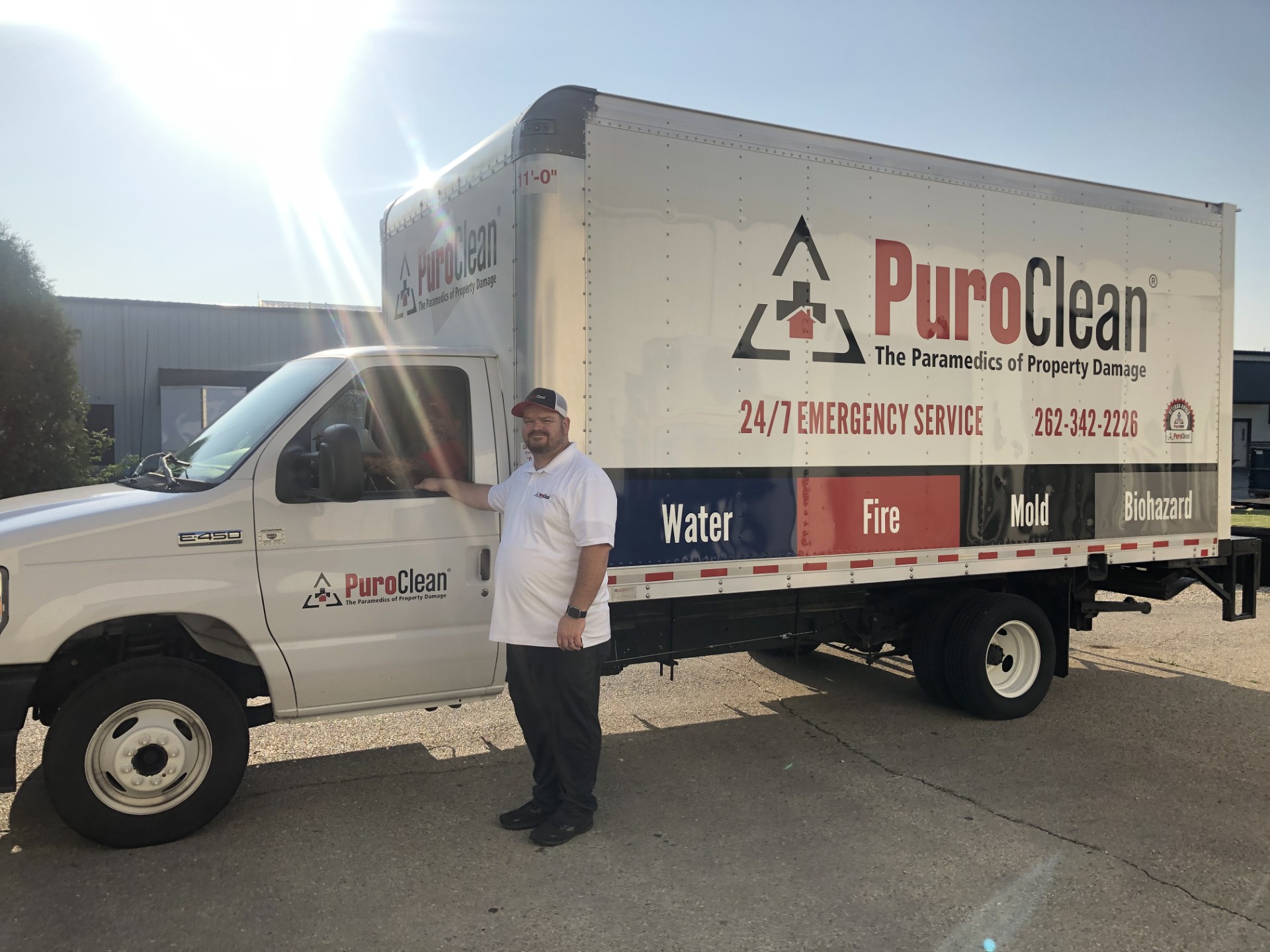
PuroClean of Burlington provides:
✓ 24/7 Emergency Response
✓ Inspection with Moisture Meters and Thermal Imaging
✓ Containment and HEPA Air Filtration
✓ Safe Removal of Contaminated Materials
✓ Surface Cleaning and Antimicrobial Treatment
✓ Structural Drying with Verified Readings
✓ Insurance Documentation Support
✓ IICRC Certified Technicians
We serve all Wisconsin and Illinois communities, including: Kenosha, Racine, Walworth, Milwaukee, Waukesha, Ozaukee, Washington, Rock, Dane, and Jefferson Counties, plus Lake, McHenry, Boone, and Winnebago Counties in Illinois.
Related Services:
Found Mold in Your Burlington Home?
Get Complete Mold Remediation in Burlington
☎️ CALL: (262) 342-2226
24/7 Response | IICRC Certified | Insurance Coordination
Serving Burlington & Surrounding Communities
Summary: Mold Remediation in Burlington Works When Every Step Happens in Order
Inspect, fix the moisture source, contain, filter the air, remove contaminated materials, clean, treat, dry, and verify. Skipping the moisture and drying steps is why mold returns.
For mold remediation in Burlington done in the right order, call PuroClean of Burlington at (262) 342-2226.
PuroClean of Burlington 📞 Call Now: (262) 342-2226 🕒 Available 24/7 — Because disasters don’t wait.
🔗 Quick Links: Instagram | Google Reviews & Directions | Facebook | Pinterest