


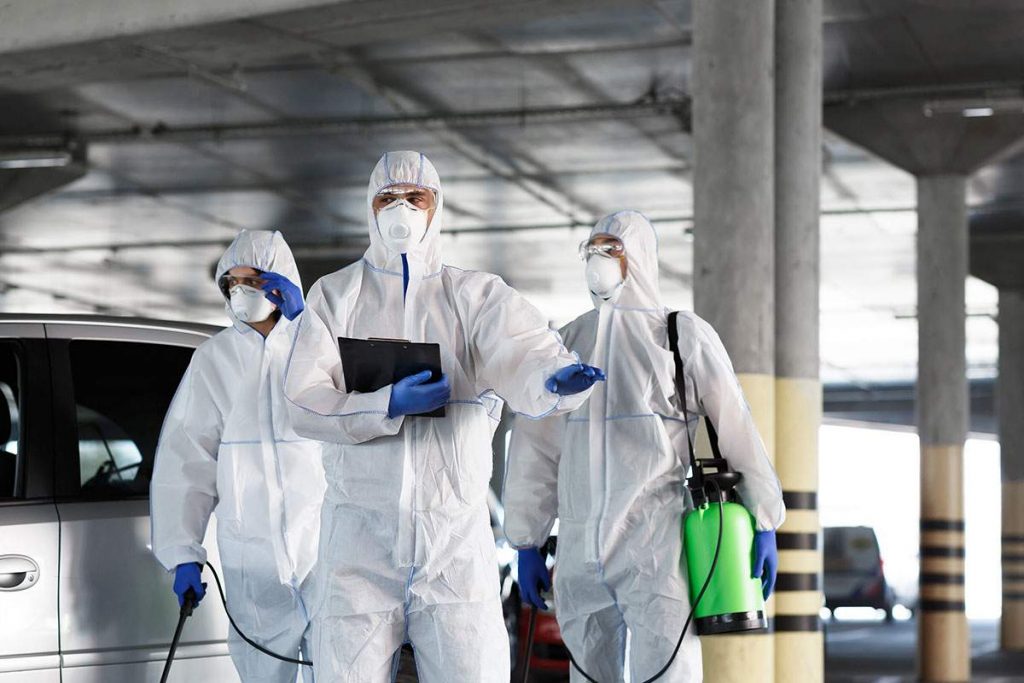
Biohazard Removal in Wisconsin
Professional biohazard removal in Wisconsin becomes necessary in six critical situations: (1) crime scenes and trauma incidents involving blood and bodily fluids requiring OSHA-compliant cleanup, (2) unattended deaths where decomposition creates biohazardous conditions, (3) sewage backups contaminating properties with Category 3 black water, (4) hoarding situations with biological hazards from waste accumulation, (5) infectious disease contamination from illness or medical incidents, and (6) drug laboratory residue with chemical and biological contamination, with Wisconsin regulations and health department requirements mandating proper disposal, decontamination, and documentation making DIY cleanup dangerous, illegal, and inadequate requiring certified professionals trained in bloodborne pathogens, proper PPE, and biohazard transport following state and federal guidelines.
Discovering a biohazard situation in your Wisconsin property creates immediate questions about what to do and who can help. Whether dealing with a trauma scene, sewage backup, or hazardous contamination, these situations require immediate professional response, protecting health and ensuring proper cleanup meeting Wisconsin regulations.
For 24/7 emergency biohazard removal in Wisconsin, serving Burlington and all southeastern Wisconsin communities, call PuroClean of Burlington at (262) 342-2226 for immediate certified professional response.
I have provided biohazard removal in Wisconsin for numerous situations over the years. Each scenario presents unique challenges requiring specific training, equipment, and protocols. Understanding when professional help becomes necessary protects your health, ensures legal compliance, and provides proper decontamination, restoring properties to safe habitable conditions.
This comprehensive guide reveals six critical situations requiring professional biohazard removal in Wisconsin, what proper cleanup involves, and why attempting DIY approaches creates serious health risks and legal problems.
Recognizing situations requiring professional biohazard services ensures proper response, protecting everyone’s well-being while meeting Wisconsin’s strict health and safety requirements.
Situation 1: Crime Scenes and Trauma Cleanup
When is professional biohazard removal required after trauma incidents?
Answer: Professional biohazard removal in Wisconsin is legally required after trauma incidents including homicides, suicides, accidents, or assaults involving blood or bodily fluids, with OSHA bloodborne pathogen standards mandating trained cleanup personnel using proper PPE, specialized cleaning agents, and approved biohazard disposal methods, while Wisconsin law enforcement and health departments prohibit family members or property owners from cleaning these scenes due to infectious disease risks and evidence preservation requirements.
Trauma scenes always require certified professional cleanup.
Legal requirements for trauma cleanup:
Wisconsin law prohibits untrained individuals from cleaning crime scenes or trauma sites. According to OSHA bloodborne pathogen standards, only certified professionals with proper training, equipment, and disposal procedures can legally handle blood and bodily fluid cleanup.
Law enforcement agencies release scenes to property owners only after the investigation is complete. However, police do not clean biological contamination. Professional biohazard removal specialists in Wisconsin coordinate with authorities, ensuring proper scene release before cleanup begins.
Health risks from blood exposure:
Blood and bodily fluids transmit dangerous pathogens, including HIV, Hepatitis B, Hepatitis C, and other infectious diseases. These pathogens remain viable for days or weeks on surfaces, creating ongoing exposure risks.
Attempting DIY trauma cleanup exposes individuals to these diseases without proper protection, training, or disposal methods. Even dried blood contains infectious agents requiring professional decontamination.
Proper trauma scene cleanup process:
Certified technicians wear Level C protective equipment, including respirators, full-body suits, multiple glove layers, and eye protection. Specialized cleaning agents break down biological materials. HEPA filtration captures airborne particles.
All contaminated materials, including blood-soaked carpeting, furniture, and building materials, require removal and disposal through licensed medical waste transporters following Wisconsin Department of Natural Resources regulations.
Compassionate professional service:
Trauma cleanup requires sensitivity to family and property owner emotions. Professional biohazard removal in Wisconsin services provide discreet, compassionate assistance during extremely difficult situations, handling all cleanup details, allowing families to focus on grieving and recovery.
Situation 2: Unattended Death Discovery and Decomposition
What should Wisconsin residents do when discovering unattended deaths?
Answer: Upon discovering unattended deaths in Wisconsin properties, immediately contact law enforcement without touching anything, evacuate the property preventing further exposure, notify property owners if you are a tenant or guest, and contact professional biohazard removal once authorities release the scene, as decomposition creates severe biological contamination with bodily fluids, tissue matter, and bacteria requiring specialized cleanup that standard cleaning cannot adequately address while creating extreme health hazards.
Unattended deaths require immediate professional intervention.
The decomposition process:
Human decomposition releases bodily fluids, gases, and tissue matter, creating extensive contamination. These materials penetrate flooring, carpet padding, subflooring, and even concrete. Odors permeate walls, ceilings, and ventilation systems.
Decomposition also attracts insects, creating secondary contamination. Bacteria multiply rapidly, producing extreme health hazards. The longer a body remains undiscovered, the more extensive the contamination becomes, requiring more aggressive cleanup.
Health department notification:
Wisconsin county health departments may require notification of unattended death discoveries. Proper documentation ensures an appropriate public health response and cleanup verification. Professional biohazard removal in Wisconsin services handle required notifications and documentation, protecting property owners from regulatory compliance issues.
Comprehensive decontamination requirements:
Unattended death cleanup involves removing all contaminated materials, including flooring, padding, drywall, insulation, and personal belongings that absorbed fluids or odors. Structural cleaning and sealing prevent residual contamination.
Ozone treatment or hydroxyl generators eliminate odors penetrating materials. Air scrubbers with HEPA filtration remove airborne particles. Complete decontamination restores properties to safe conditions, meeting Wisconsin health standards.
Why professional help proves essential:
The extreme nature of decomposition contamination exceeds most people’s emotional tolerance and technical capability. Professional technicians trained specifically in unattended death cleanup provide compassionate, efficient service handling all aspects, allowing families and property owners to avoid traumatic exposure.
Situation 3: Sewage Backup and Category 3 Water Contamination
Does sewage backup require biohazard removal in Wisconsin?
Answer: Yes, sewage backups in Wisconsin require professional biohazard removal as sewage constitutes Category 3 black water containing dangerous bacteria, viruses, parasites, and pathogens from human waste, with contaminated materials requiring removal rather than cleaning per Wisconsin health codes, and proper disposal following strict regulations, making DIY sewage cleanup both dangerous to health and potentially illegal when disposal requirements are not met.
Sewage contamination requires specialized biohazard protocols.
Category 3 water classification:
The Institute of Inspection Cleaning and Restoration Certification classifies sewage as Category 3 water, the most contaminated classification. This includes raw sewage from toilet backups, sewer line failures, and flooding from contaminated sources.
Category 3 water contains E. coli, Salmonella, hepatitis, and numerous other disease-causing organisms. Materials contacted by Category 3 water must be removed and discarded, not cleaned, per health and safety standards.
Common sewage backup causes:
Sewer line blockages from tree roots, grease accumulation, or pipe deterioration. Municipal sewer system backups during heavy rain overwhelm the capacity. Septic system failures in rural Wisconsin properties. These situations create immediate biohazard conditions requiring professional response.
Proper sewage cleanup procedures:
Professional biohazard removal in Wisconsin for sewage situations includes complete removal of contaminated materials like carpeting, padding, drywall, and insulation. Structural surfaces receive antimicrobial treatment. Air scrubbers prevent cross-contamination.
All waste follows Wisconsin DNR hazardous waste disposal regulations. Documentation proves proper handling for insurance and health department records.
Preventing future sewage issues:
After cleanup, professionals may recommend sewer line inspections, backflow preventer installation, or plumbing upgrades to prevent recurrence. Addressing root causes protects properties from repeated contamination.
Sewage backup represents serious biohazards that Wisconsin residents should never attempt to clean themselves, given the extreme health risks and legal disposal requirements.
Situation 4: Hoarding Cleanup with Biological Hazards
When does hoarding require professional biohazard removal?
Answer: Hoarding situations in Wisconsin require professional biohazard removal when accumulated materials include human or animal waste, expired food creating bacterial growth, pest infestations with droppings and remains, deceased animals, or mold contamination from moisture and poor ventilation, with biohazard protocols necessary for health protection, proper waste segregation, and legal disposal meeting Wisconsin solid waste and hazardous material regulations that standard junk removal cannot fulfill.
Hoarding with biological contamination exceeds standard cleaning.
Biohazard conditions in hoarding:
Severe hoarding often involves sanitation breakdown, including accumulated garbage, spoiled food, and human or animal waste. These conditions breed bacteria, mold, and pests, creating multiple biohazard exposures.
Animal hoarding creates particularly severe contamination from concentrated urine, feces, and deceased animals. Ammonia levels from urine can reach dangerous concentrations requiring respiratory protection.
Health risks to occupants:
Hoarding with biohazards creates serious health risks, including respiratory problems from mold and ammonia, infectious diseases from bacteria and parasites, pest-transmitted diseases, and injuries from unstable stacked materials.
Wisconsin Adult Protective Services may intervene when hoarding creates dangerous conditions for occupants. Professional cleanup becomes necessary for safe habitable conditions, allowing individuals to remain in homes.
Compassionate hoarding cleanup:
Professional biohazard removal in Wisconsin services trained in hoarding cleanup understand the psychological aspects, working sensitively with individuals and families. Systematic sorting, cleaning, and disposal respect occupants’ needs while addressing health hazards.
Coordinating with social services:
Hoarding cleanup often involves coordination with mental health professionals, social services, and family members. Professional services provide detailed cleaning while support services address underlying causes preventing recurrence.
Hoarding situations with biological hazards absolutely require professional intervention for health protection, proper disposal, and compassionate care that respects individuals while addressing dangerous conditions.
Situation 5: Infectious Disease Contamination
What infectious disease situations require biohazard removal?
Answer: Infectious disease situations requiring professional biohazard removal in Wisconsin include tuberculosis, MRSA, C. difficile, COVID-19, hepatitis, and other contagious illnesses contaminating properties through bodily fluids, respiratory droplets, or extended occupation by infected individuals, with proper decontamination using EPA-registered disinfectants, extended contact times, and verification testing ensuring pathogen elimination, protecting subsequent occupants from disease transmission.
Infectious disease outbreaks require specialized decontamination.
High-risk infectious disease scenarios:
Healthcare facilities, nursing homes, or residential properties housing individuals with confirmed infectious diseases require professional decontamination after discharge or death. Tuberculosis cases particularly require rigorous decontamination given airborne transmission risks.
According to the Centers for Disease Control, proper environmental cleaning and disinfection prevent disease transmission in healthcare and residential settings.
COVID-19 and emerging diseases:
The COVID-19 pandemic highlighted the need for professional decontamination services. While standard cleaning often suffices for routine situations, severe cases, deaths, or high-risk exposures warrant professional biohazard removal in Wisconsin, ensuring complete viral elimination.
Future infectious disease outbreaks may require a similar professional response to protect Wisconsin communities from transmission.
Proper disinfection protocols:
Infectious disease decontamination uses EPA-registered disinfectants proven effective against specific pathogens. Products must remain wet on surfaces for specified contact times, often 10 minutes or longer, ensuring pathogen kill.
Fogging or electrostatic application ensures complete surface coverage, including hard-to-reach areas. HEPA filtration captures airborne particles during cleaning.
Verification and clearance:
After decontamination, surface sampling and testing verify pathogen elimination. Documentation provides clearance for property reoccupation, protecting liability and ensuring community health.
Professional services provide proper infectious disease decontamination that DIY cleaning cannot match, given specialized products, equipment, and verification requirements.
Situation 6: Drug Laboratory Residue and Chemical Contamination
Why does drug lab cleanup require professional biohazard removal?
Answer: Drug laboratory cleanup requires professional biohazard removal in Wisconsin because methamphetamine and other drug production leave toxic chemical residue penetrating walls, ceilings, ventilation systems, and furnishings, with the Wisconsin Department of Justice requiring certified decontamination following specific protocols, testing proving chemical levels below state limits, and documentation before properties can be legally reoccupied, making proper cleanup essential for health protection and legal compliance.
Illegal drug labs create severe chemical and biological hazards.
Methamphetamine contamination:
Methamphetamine production uses toxic volatile chemicals, including pseudoephedrine, red phosphorus, anhydrous ammonia, and other hazardous substances. Production releases vapors contaminating entire properties.
Residual chemicals cause respiratory problems, skin irritation, neurological effects, and long-term health issues. Children face particular vulnerability to meth contamination effects.
Wisconsin decontamination requirements:
The Wisconsin Department of Justice Division of Criminal Investigation maintains methamphetamine cleanup guidelines requiring certified professionals, specific cleaning protocols, and verification testing before properties can be occupied.
Testing must show contamination below 1.5 micrograms per 100 square centimeters, Wisconsin’s clearance level. Only certified laboratories can perform verification testing.
Comprehensive drug lab cleanup:
Professional biohazard removal in Wisconsin for drug labs includes hazardous material removal and disposal, surface decontamination using specific cleaning agents, HVAC system cleaning, removing contaminated ductwork if necessary, and encapsulation of structural materials that cannot be adequately cleaned.
Disposal follows Wisconsin DNR hazardous waste regulations requiring manifests and licensed disposal facilities.
Legal liability protection:
Property owners face legal liability if they rent or sell properties with drug contamination without proper cleanup and clearance. Professional documentation protects owners from future claims while ensuring occupant safety.
Drug lab situations absolutely require professional biohazard removal given the serious health risks, strict regulatory requirements, and legal liability issues involved.
Wisconsin Regulations and Professional Requirements
What regulations govern biohazard removal in Wisconsin?
Answer: Biohazard removal in Wisconsin must comply with OSHA bloodborne pathogen standards requiring proper training and PPE, Wisconsin DNR regulations governing medical waste and hazardous material disposal, Wisconsin Department of Health Services guidelines for infectious disease control, local health department requirements for specific situations, and EPA regulations for chemical contamination, with violations creating significant penalties and liability, making certified professional services essential for legal compliance.
Strict regulations mandate professional biohazard handling.
OSHA bloodborne pathogen standard:
Federal OSHA regulations require employers to protect workers from bloodborne pathogen exposure. This includes specific training, hepatitis B vaccination availability, proper PPE, and exposure control plans.
Only trained, certified technicians can legally perform biohazard cleanup involving blood or bodily fluids. Violations face substantial OSHA fines and penalties.
Wisconsin waste disposal regulations:
Medical waste, biohazardous materials, and contaminated materials require disposal through licensed facilities following strict manifesting and documentation requirements. Illegal disposal faces criminal penalties and environmental liability.
Professional biohazard removal in Wisconsin companies maintain proper licenses, contracts with disposal facilities, and documentation systems meeting all state requirements.
Insurance and liability considerations:
Property insurance policies often require professional cleanup for biohazard situations. DIY cleanup may void coverage or create liability if inadequate decontamination causes future health problems or disease transmission.
Professional services carry liability insurance protecting property owners from claims related to cleanup while ensuring proper decontamination meets insurance requirements.
Understanding Wisconsin’s regulatory framework clarifies why professional biohazard services prove not just advisable but legally necessary for proper cleanup and disposal.
Frequently Asked Questions: Biohazard Removal in Wisconsin
How quickly should biohazard cleanup begin in Wisconsin?
Professional biohazard removal in Wisconsin should begin as soon as law enforcement releases scenes or property owners discover contamination. Immediate response prevents health risks from worsening, stops odor and contamination spread, and initiates proper decontamination, protecting occupants and neighbors. Most biohazard situations qualify as emergencies requiring a 24-hour response. Delays allow bacteria growth, pest infestation, and deeper contamination penetration, making cleanup more extensive and expensive. Call (262) 342-2226 immediately for emergency biohazard response serving all Wisconsin communities.
Does insurance cover biohazard removal in Wisconsin?
Wisconsin homeowners’ insurance typically covers biohazard cleanup from sudden covered events like crime, suicide, or accidental death on policies including crime scene cleanup riders. Some policies automatically include biohazard coverage, while others require specific endorsements. Coverage varies significantly by policy and situation. Sewage backup coverage requires specific policy endorsements. Professional biohazard removal in Wisconsin services work directly with insurance carriers, providing necessary documentation and maximizing coverage. Contact your insurance agent immediately after biohazard incidents, discussing specific coverage before cleanup begins.
Can I clean biohazards myself in Wisconsin?
Wisconsin residents should never attempt DIY biohazard cleanup due to serious health risks from infectious diseases, legal requirements mandating professional handling, improper disposal violations carrying penalties, inadequate cleaning leaving dangerous contamination, and emotional trauma from handling biohazardous materials. OSHA regulations and Wisconsin health codes require certified professionals for blood, bodily fluids, sewage, and other biohazards. Attempting DIY cleanup risks disease exposure, legal violations, and ineffective decontamination, creating ongoing health hazards. Always contact professional biohazard removal in Wisconsin specialists for safe legal cleanup.
What happens to contaminated materials during biohazard cleanup?
Contaminated materials removed during biohazard removal in Wisconsin receive proper disposal through licensed medical waste transporters and hazardous waste facilities following strict Wisconsin DNR regulations. Biohazardous waste goes to incinerators or autoclaves, destroying pathogens. Hazardous chemicals receive treatment at licensed facilities. All disposal requires manifests and documentation proving proper handling. Recyclable structural materials like framing receive decontamination treatment, allowing reuse. Professional services handle all disposal logistics, ensuring legal compliance while protecting public health through proper waste handling from removal through final destruction.
How long does biohazard decontamination take?
Biohazard removal in Wisconsin timelines vary by situation severity. Small trauma scenes may be completed in one day. Extensive decomposition or hoarding situations can require 3-7 days. Drug lab decontamination often needs 5-10 days, including testing and verification. Factors affecting duration include contamination extent, materials requiring removal, structural cleaning needs, and required testing. Emergencies receive immediate response, with work continuing until complete. Professionals provide specific timelines after initial assessment, understanding the urgency for Wisconsin property owners wanting rapid, safe restoration. Most work proceeds systematically, ensuring thorough decontamination rather than speed alone.
Are biohazard cleanup technicians specially trained?
Yes, professional biohazard removal technicians in Wisconsin receive extensive specialized training, including OSHA bloodborne pathogen certification, personal protective equipment use, infectious disease protocols, chemical safety, proper decontamination techniques, Wisconsin waste disposal regulations, and trauma scene procedures. Training includes psychological preparation for emotionally difficult situations. Technicians maintain certifications through continuing education, ensuring current best practices. Reputable companies employ experienced certified technicians providing safe, effective decontamination while treating properties and families with respect and compassion during extremely difficult circumstances.
What areas of Wisconsin does PuroClean serve for biohazard removal?
PuroClean of Burlington provides professional biohazard removal in Wisconsin, serving Burlington, Kenosha, Racine, Lake Geneva, Elkhorn, Delavan, Whitewater, and all southeastern Wisconsin communities, including Walworth County, Kenosha County, and Racine County. We offer 24/7 emergency response for crime scenes, unattended deaths, sewage contamination, hoarding cleanup, infectious disease decontamination, and all biohazard situations. Our certified technicians bring professional equipment, training, and compassionate service to every situation. Call (262) 342-2226 any time for immediate biohazard response throughout southeastern Wisconsin.
Professional Biohazard Removal Serving All Wisconsin Communities
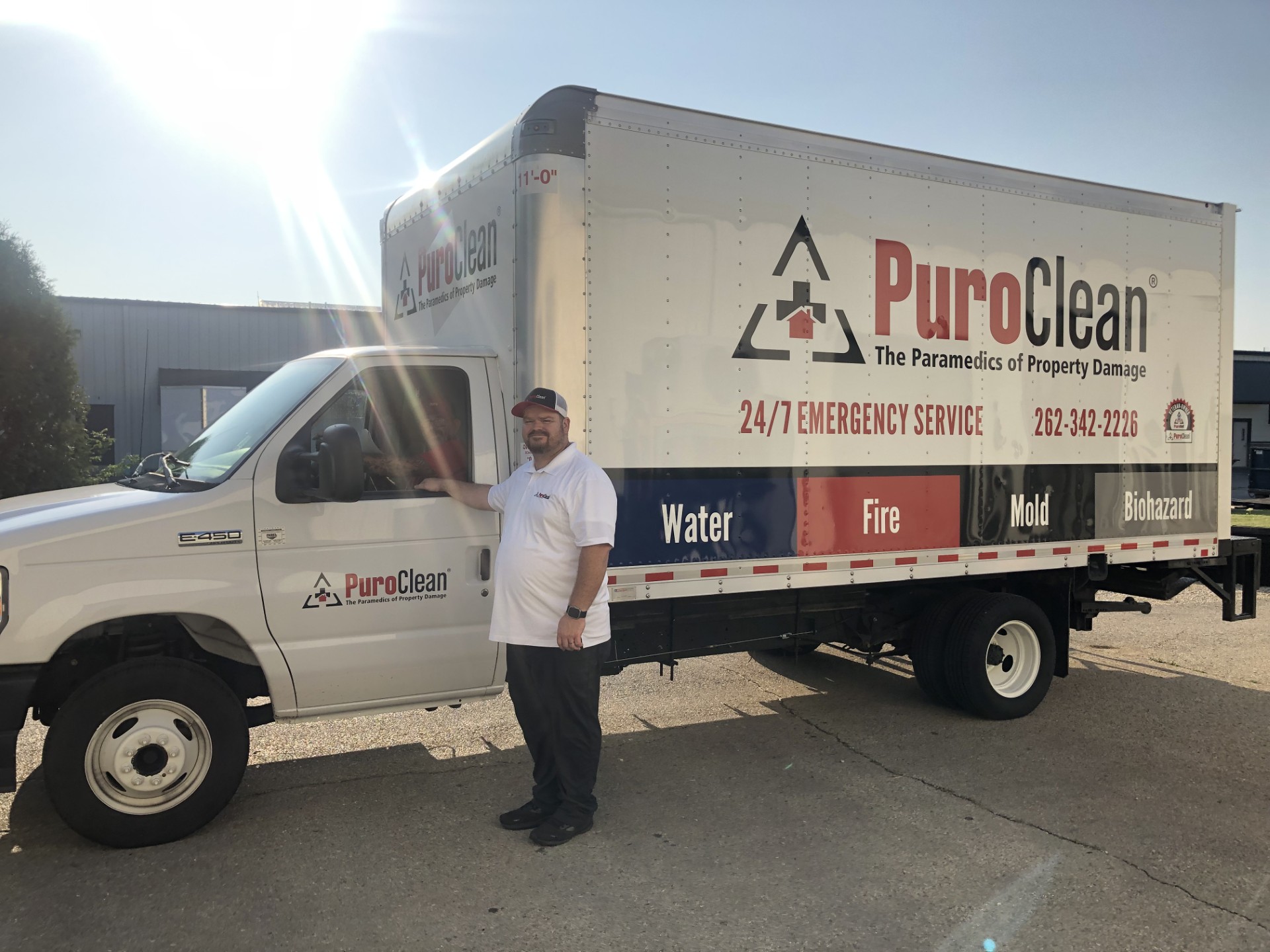
When biohazard situations affect Wisconsin properties, immediate professional response protects health and ensures proper decontamination.
PuroClean of Burlington provides complete biohazard removal in Wisconsin, including:
✓ Crime Scene Cleanup following trauma incidents ✓ Unattended Death Decontamination with compassionate service ✓ Sewage Backup Cleanup meeting health department standards ✓ Hoarding Cleanup addressing biological hazards sensitively ✓ Infectious Disease Decontamination using EPA-registered products ✓ Drug Lab Cleanup meeting Wisconsin DOJ requirements ✓ 24/7 Emergency Response available throughout Wisconsin ✓ Complete Documentation for insurance and regulatory compliance
Biohazard situations we handle:
Blood and bodily fluids | Decomposition | Sewage contamination | Animal waste | Infectious diseases | Chemical contamination | Hoarding | Trauma scenes
Serving southeastern Wisconsin:
Burlington | Kenosha | Racine | Lake Geneva | Elkhorn | Delavan | Whitewater | Walworth County | Kenosha County | Racine County
Why choose our biohazard services:
☣️ OSHA Certified technicians trained in bloodborne pathogens ☣️ 24/7 Availability responding to emergencies immediately ☣️ Discreet Service protecting privacy during sensitive situations ☣️ Complete Compliance meeting all Wisconsin regulations ☣️ Compassionate Care treating families with respect and dignity ☣️ Proper Disposal following all state and federal requirements ☣️ Insurance Coordination maximizing coverage for services
Beyond biohazard removal:
Complete water damage restoration
Professional mold remediation
Fire and smoke restoration
Professional biohazard removal protects health, ensures legal compliance, and provides compassionate service during difficult situations.
Biohazard Emergency in Wisconsin? Get Immediate Professional Help.
PuroClean of Burlington: Certified Biohazard Specialists
☎️ CALL NOW: (262) 342-2226
24/7 Emergency Response | Discreet Service | Complete Decontamination
Serving All Southeastern Wisconsin Communities
Summary: Professional Biohazard Removal in Wisconsin
Professional biohazard removal in Wisconsin proves essential for six critical situations: crime scenes and trauma requiring OSHA-compliant blood cleanup, unattended deaths with decomposition contamination, sewage backups creating Category 3 black water hazards, hoarding with biological contamination, infectious disease decontamination, and drug laboratory chemical residue requiring specialized cleanup meeting Wisconsin Department of Justice standards.
Wisconsin regulations, including OSHA bloodborne pathogen standards, DNR waste disposal requirements, and health department guidelines, mandate professional certified cleanup for legal compliance and health protection. Attempting DIY biohazard cleanup creates serious disease exposure risks, violates regulations, and provides inadequate decontamination, leaving dangerous contamination.
Professional biohazard removal in Wisconsin provides trained certified technicians, proper PPE and equipment, legal disposal following all regulations, and complete documentation for insurance and regulatory compliance. Services include compassionate, discreet assistance during extremely difficult situations, treating families and properties with respect.
When biohazard situations affect Wisconsin properties, call PuroClean of Burlington at (262) 342-2226 for immediate professional biohazard removal, ensuring safe legal decontamination, protecting health throughout southeastern Wisconsin communities.
PuroClean of Burlington 📞 Call Now: (262) 342-2226 🕒 Available 24/7 — Because disasters don’t wait.
🔗 Quick Links: Instagram | Google Reviews & Directions | Facebook | Pinterest