


Commercial Water Mitigation to Minimize Downtime
Commercial water mitigation minimizes business downtime through seven critical steps: (1) immediate emergency response within 60 minutes assessing damage and beginning extraction, (2) rapid water extraction using truck-mounted equipment removing standing water in hours rather than days, (3) business continuity planning isolating damaged areas allowing unaffected sections to remain operational, (4) complete structural drying with commercial dehumidification maintaining air quality for employees and customers, (5) inventory and equipment salvage through content pack-out and specialized cleaning protecting valuable assets, (6) streamlined insurance coordination providing detailed documentation expediting claims and reimbursement, and (7) phased reconstruction scheduling work during off-hours or completing sections progressively allowing partial operations, with professional commercial water mitigation in Burlington and Kenosha reducing average business closure from weeks to days protecting revenue, customer relationships, and competitive position.
Water damage strikes your Burlington office at 6 AM. Burst pipes flooded three floors overnight. Your business opens at 8 AM.
Can you open? Do you close? For how long? What about payroll? What about customers? What about that contract deadline tomorrow?
Every hour your business stays closed costs money. Lost revenue. Disappointed customers. Employees sent home. Competitors are gaining an advantage. The pressure is immense.
I have managed water damage emergencies for dozens of commercial properties throughout Burlington and Kenosha. I have seen businesses that handled water mitigation correctly and reopened within days. I have also seen businesses that made poor decisions, extending closures for weeks, and losing customers permanently.
The difference is not the severity of water damage. The difference is understanding commercial water mitigation strategies that minimize downtime while ensuring complete restoration, protecting your property and people.
This comprehensive guide reveals seven critical steps for effective commercial water mitigation, how Burlington and Kenosha businesses can maintain operations during restoration, and why rapid professional response makes the financial difference between minor disruption and business disaster.
Because when water damage threatens your business, time is literally money.
Step 1: Immediate Emergency Response Within 60 Minutes
Why does rapid response matter for commercial water mitigation?
Answer: Rapid emergency response within 60 minutes proves critical for commercial water mitigation because every hour of delay increases water damage extent spreading through commercial spaces exponentially, damages more inventory and equipment requiring replacement rather than cleaning, extends total restoration time prolonging business closure, and allows mold growth beginning within 24 hours creating health hazards forcing extended closures, while immediate professional response contains damage, begins extraction, and implements business continuity strategies minimizing downtime protecting Burlington and Kenosha business revenue.
The first hour after discovering commercial water damage determines everything.
Why 60 minutes matters:
Water spreads rapidly through commercial spaces. Open floor plans, dropped ceilings, and HVAC systems distribute water throughout buildings quickly. Every minute allows more inventory damage, more equipment exposure, and more structural penetration. Professional commercial water mitigation within the first hour dramatically reduces damage.
Immediate assessment priorities:
Safety comes first. Professionals assess electrical hazards, structural stability, and contamination risks before entry. Then, the rapid damage assessment identifies the water source, affected areas, equipment and inventory at risk, and business-critical systems requiring immediate protection.
Emergency stabilization begins immediately:
Water source shutoff if internal plumbing causes flooding. Electrical systems evaluation and selective shutdown, preventing hazards while maintaining critical operations. Emergency water extraction is beginning immediately rather than waiting for a complete assessment. Moisture barriers protect unaffected areas from contamination spread.
According to the Institute of Inspection Cleaning and Restoration Certification, commercial properties face significantly higher financial losses from delayed response compared to residential properties due to business interruption costs, inventory losses, and equipment damage multiplying hourly.
24/7 availability requirement:
Commercial water emergencies do not wait for business hours. Burst pipes occur at midnight. Roof leaks happen during weekend storms. Sewage backups happen on holidays. Professional commercial water mitigation requires a true 24/7 emergency response capability arriving any time within 60 minutes.
Communication protocols established:
First responders establish communication with business owners, managers, and key decision-makers. Clear communication protocols ensure rapid approvals for emergency actions, coordinate with employees and customers, and keep all stakeholders informed throughout restoration.
This immediate response foundation makes commercial water mitigation effective, distinguishing businesses that reopen quickly from those facing extended closures and mounting losses.
Step 2: Rapid Commercial Water Extraction
How does professional water extraction minimize commercial downtime?
Answer: Professional commercial water extraction minimizes business downtime through truck-mounted equipment removing thousands of gallons per hour versus consumer equipment handling gallons per minute, complete standing water removal within hours rather than days, extraction reaching water in difficult commercial spaces including under equipment and in storage areas, and immediate moisture reduction preventing secondary damage to inventory and building systems, with rapid extraction enabling next restoration phases to begin quickly rather than waiting days for DIY methods while business operations remain suspended.
The speed of water removal directly impacts how quickly businesses reopen.
Commercial extraction equipment superiority:
Truck-mounted extraction units generate tremendous vacuum power, removing water at rates impossible with portable equipment. Submersible pumps handle significant water accumulation in basements or flooded areas. Specialty wands reach water under shelving, equipment, and fixtures. This professional equipment completes in hours what consumer equipment requires days to accomplish.
Strategic extraction prioritizing business operations:
Commercial water mitigation professionals prioritize extraction, allowing partial business operations. Extract public areas first, enabling customer access. Remove water from offices, allowing administrative work. Clear warehouse sections permitting inventory access. This strategic approach maintains revenue-generating activities during restoration.
Addressing hidden water in commercial spaces:
Commercial properties have complex construction with water hiding in numerous locations. Dropped ceiling plenums accumulate water. Wall cavities between offices saturate. Under raised flooring in data centers. Professional extraction addresses these hidden areas, preventing ongoing damage invisible to business owners.
Moisture mapping guides extraction:
Thermal imaging cameras and moisture meters map water extent throughout commercial properties. This technology ensures complete extraction rather than missing saturated areas that cause problems later. Documentation also provides insurance companies with evidence justifying claims.
Coordinate with business operations:
Professional commercial water mitigation works around business schedules when possible. Extract during closed hours. Section off areas allowing partial operations. Coordinate with managers, ensuring minimum disruption. This collaboration distinguishes commercial from residential restoration.
Complete water extraction within the first 24 hours represents the foundation enabling all subsequent commercial water mitigation steps to proceed rapidly, directly impacting how quickly Burlington and Kenosha businesses return to full operations.
Step 3: Business Continuity Planning During Restoration
How can businesses maintain operations during commercial water mitigation?
Answer: Businesses maintain operations during commercial water mitigation through strategic planning isolating affected areas with physical barriers allowing unaffected spaces to remain operational, relocating critical functions to dry areas within buildings or temporary locations, implementing phased restoration completing sections progressively, scheduling intensive work during closed hours, and maintaining air quality through negative pressure and filtration protecting employees and customers, with professional commercial water mitigation designing restoration plans around business needs rather than forcing complete closures when partial operations remain possible.
Not every water damage requires complete business closure.
Damage isolation strategies:
Physical barriers, using plastic sheeting and zipper doors, create containment areas. Affected sections undergo intensive restoration while separated areas maintain normal operations. HVAC systems are isolated, preventing contaminated air from spreading. This compartmentalization allows partial business continuity.
Relocation options for critical functions:
Move offices to unaffected floors or sections. Relocate inventory to dry warehouse areas. Set up temporary customer service areas in undamaged spaces. Shift production to functioning equipment. Creative relocation maintains essential business functions during restoration.
Phased restoration scheduling:
Rather than attempting complete restoration simultaneously, phased approaches restore sections progressively. Complete one area, allowing operations to resume there, then move to the next section. This rolling restoration maintains growing operational capacity throughout the process.
Off-hours intensive work:
Schedule noisy equipment, demolition, and disruptive activities during nights, weekends, or closed hours. Businesses operate during the daytime while restoration progresses when buildings are empty. This coordination requires flexibility from restoration companies and commitment to business needs.
Employee and customer safety protocols:
Maintain air quality through negative air pressure in restoration zones with HEPA filtration. Post clear signage directing employees and customers away from work areas. Ensure safe pathways through buildings. Communicate honestly with customers about the situation and timeline. Transparency maintains trust and relationships.
Revenue protection focus:
Professional commercial water mitigation understands that every day of closure costs revenue. Plans prioritize maintaining some operations over achieving the fastest technical restoration. This business-focused approach distinguishes commercial specialists from residential-focused restoration companies.
Business continuity planning integrated into commercial water mitigation transforms potential complete shutdowns into partial closures, dramatically reducing financial impact and protecting customer relationships throughout the Burlington and Kenosha business communities.
Step 4: Complete Structural Drying for Commercial Properties
Why is commercial structural drying different from residential?
Answer: Commercial structural drying differs from residential restoration through larger spaces requiring more equipment and longer drying times, complex HVAC systems needing specialized approaches, 24/7 operation maintaining business schedules, sensitive equipment and inventory requiring careful climate control, and documentation requirements for commercial insurance and regulatory compliance, with professional commercial water mitigation using commercial-grade dehumidifiers, air movers, and monitoring systems achieving complete drying while businesses maintain operations in unaffected areas.
Commercial properties present unique drying challenges requiring specialized approaches.
Scale of commercial drying:
Commercial spaces measure thousands or tens of thousands of square feet, versus residential spaces hundreds of square feet. This scale requires dozens of commercial dehumidifiers and air movers. Professional commercial water mitigation brings equipment fleets handling large spaces efficiently.
HVAC system integration:
Commercial HVAC systems can aid or hinder drying depending on management. Professionals work with building systems, directing conditioned air to speed drying. Prevent HVAC from spreading moisture to dry areas. Monitor supply and return air, maintaining building pressurization appropriately.
Continuous operation requirements:
Residential drying can pause for the homeowner’s convenience. Commercial drying operates 24/7, achieving the fastest possible completion. Equipment runs constantly with technicians monitoring multiple times daily, adjusting placement and settings, optimizing drying rates.
Specialty area considerations:
Data centers require specific temperature and humidity ranges. Commercial kitchens need sanitary drying to prevent contamination. Retail spaces require maintaining appearance during drying. Medical facilities must meet regulatory standards. Each commercial type requires tailored drying approaches.
Moisture monitoring and documentation:
Daily moisture readings track drying progress in walls, floors, and air. Thermal imaging verifies complete drying before declaring areas ready for reconstruction. This documentation satisfies insurance requirements and protects businesses from future mold claims.
Target drying timeframes:
Professional commercial water mitigation targets complete structural drying within 3-7 days, depending on the extent and building materials. This aggressive timeline minimizes business disruption while ensuring thorough drying, preventing mold growth, and structural damage.
According to the Environmental Protection Agency, proper drying within 24-48 hours prevents mold growth, critical for commercial properties where mold issues can trigger health complaints, lawsuits, and regulatory problems beyond simple cleanup costs.
Complete structural drying represents the technical foundation of successful commercial water mitigation, enabling businesses to proceed confidently knowing hidden moisture will not create future problems.
Step 5: Inventory and Equipment Salvage
How does commercial water mitigation protect business assets?
Answer: Commercial water mitigation protects business assets through rapid content pack-out removing inventory and equipment from wet environments, specialized cleaning for electronics, documents, and merchandise, climate-controlled storage during restoration, detailed inventory documentation for insurance claims, and expert assessment determining salvageable versus total loss items, with professional salvage often recovering 60-80% of water-exposed assets that business owners assume are destroyed, protecting substantial financial value and maintaining business operational capability.
Inventory and equipment represent major investments requiring protection during commercial water damage.
Rapid content pack-out services:
Professional teams quickly remove inventory, equipment, furniture, and important documents from water-damaged areas. Moving contents to dry, climate-controlled facilities prevents additional damage from ongoing high humidity during drying. The speed of pack-out directly impacts how much can be saved.
Specialized cleaning for different assets:
Electronics receive specialized cleaning, removing water and contaminants before corrosion sets in. Documents undergo freeze-drying or specialized drying, preserving important records. Merchandise gets appropriate cleaning depending on the material types. Office furniture is cleaned and deodorized. Each asset type requires specific restoration approaches.
Inventory documentation for claims:
Detailed inventory with photos documents everything removed, its condition, and restoration efforts. This documentation supports insurance claims, providing evidence of asset values and restoration attempts. Thorough documentation maximizes reimbursement for business owners.
Climate-controlled storage:
During commercial property restoration, packed-out contents stay in temperature and humidity-controlled facilities. This prevents mold growth on stored items and maintains optimal conditions for the gradual drying of damp materials. Professional storage protects assets throughout restoration timelines.
Assessment of total losses:
Some items cannot be salvaged economically. Professional assessment identifies what requires replacement versus what can be restored. This expertise prevents businesses from discarding salvageable items while also avoiding futile restoration attempts on total losses.
Coordination with business operations:
Content restoration coordinates with business reopening timelines. Critical equipment returns first, enabling operations to resume. Less essential items return as space becomes available. This phased return supports business continuity throughout restoration.
Professional content restoration as part of comprehensive commercial water mitigation often recovers significant asset value that business owners believe is lost, protecting financial health during already stressful situations.
Step 6: Streamlined Insurance Coordination
How does professional commercial water mitigation help with insurance claims?
Answer: Professional commercial water mitigation streamlines insurance claims through immediate documentation with photos and detailed notes, industry-standard estimating software insurance adjusters recognize, direct communication with commercial insurance carriers, comprehensive moisture and drying logs proving proper protocols, clear billing and invoicing meeting insurance requirements, and expert advocacy ensuring appropriate coverage for commercial losses, with experienced restoration companies often securing significantly higher claim payments than business owners negotiating alone due to documentation quality and insurance industry relationships.
Insurance claims represent a major financial component of commercial water damage response.
Immediate comprehensive documentation:
Professional commercial water mitigation begins documenting immediately upon arrival. Photos and video capture the initial damage extent. Detailed written reports describe affected areas, equipment, inventory, and building systems. Moisture readings provide baseline data. This immediate documentation prevents disputes about the extent.
Industry-standard estimating:
Commercial insurance adjusters expect estimates using Xactimate or similar industry-standard software. Professional restoration companies provide estimates in formats adjusters recognize, expediting approval and payment processes versus handwritten estimates from contractors unfamiliar with insurance requirements.
Direct insurance company communication:
Experienced commercial water mitigation companies communicate directly with adjusters, explaining damage extent, necessary procedures, and projected timelines. This professional communication often receives more credibility than business owners describing their own situations, resulting in better claim outcomes.
Proper protocol documentation:
Insurance companies require proof of proper mitigation procedures to prevent mold and additional damage. Daily moisture logs, equipment placement documentation, and drying reports demonstrate appropriate responses. Professional documentation protects business owners from coverage denials due to inadequate mitigation efforts.
Navigating commercial policy complexities:
Commercial insurance policies differ significantly from residential homeowners’ policies. Business interruption coverage, equipment breakdown coverage, extra expense provisions, and other commercial-specific coverages require expertise to maximize. Professional restoration companies familiar with commercial policies ensure businesses receive full entitled coverage.
Expediting payment timelines:
Faster insurance approval and payment directly impact business cash flow during already stressful periods. Professional documentation, communication, and advocacy expedite claims that might take months to resolve when business owners handle them alone.
Burlington and Kenosha businesses benefit tremendously from commercial water mitigation companies experienced in commercial insurance claims, often recovering substantially more than DIY claim approaches achieve.
Step 7: Phased Reconstruction Maintaining Operations
How does reconstruction proceed while businesses remain operational?
Answer: Phased reconstruction during commercial water mitigation maintains business operations through strategic scheduling completing work during closed hours, sectioning projects allowing progressive reopening, prioritizing customer-facing areas for early completion, coordinating with business schedules for minimal disruption, and maintaining safety barriers between construction and operating areas, with professional commercial contractors understanding revenue protection takes priority over construction efficiency, designing reconstruction timelines around business needs rather than forcing extended closures.
Reconstruction represents the final phase, returning businesses to pre-loss condition.
Strategic phasing approaches:
Rather than completing the entire reconstruction before any reopening, phased approaches restore sections progressively. Complete customer areas first, allowing revenue generation to resume. Restore offices while operations continue elsewhere. Finish storage and back-of-house areas last. This priority-based phasing protects revenue.
Off-hours construction scheduling:
Schedule intensive construction during nights, weekends, or times businesses are normally closed. Complete noisy, dusty, or disruptive work when customers and employees are absent. Requires contractors willing to work flexible schedules, prioritizing business needs over construction convenience.
Maintaining separation between construction and operations:
Physical barriers separate active work zones from operating business areas. HVAC isolation prevents construction dust and odors in customer spaces. Separate entrances for construction crews versus employees and customers. Safety protocols protect everyone while maintaining operations.
Expedited permitting and inspections:
Professional commercial water mitigation companies coordinate with the Burlington and Kenosha building departments, expediting permit approval and inspection scheduling. Established relationships and proper documentation prevent delays, extending business downtime.
Communication with stakeholders:
Regular updates keep business owners, managers, employees, and customers informed about reconstruction progress and timelines. Transparency manages expectations and maintains trust throughout the process. Honest communication prevents surprises and conflicts.
Quality standards for commercial properties:
Commercial reconstruction must meet higher standards than residential work. Professional appearance, durability for high traffic, compliance with commercial building codes, and ADA accessibility requirements. Professional commercial contractors ensure work meets all commercial property standards.
Phased reconstruction as the final commercial water mitigation step balances completing quality restoration with allowing businesses to resume revenue-generating operations, minimizing total downtime and financial impact.
Burlington and Kenosha Commercial Property Considerations
What unique factors affect commercial water mitigation in Burlington and Kenosha?
Answer: Commercial water mitigation in Burlington and Kenosha faces unique factors including aging commercial building infrastructure in downtown areas creating frequent pipe failures, Lake Michigan proximity bringing flooding risks to commercial districts, manufacturing and industrial properties with specialized equipment requiring expert handling, seasonal tourist business in Lake Geneva area creating peak-season pressure for rapid restoration, and regional commercial insurance carriers requiring specific documentation and protocols, with local commercial water mitigation expertise understanding these southeastern Wisconsin business challenges ensuring appropriate response.
Burlington and Kenosha commercial properties face specific regional challenges.
Aging commercial infrastructure:
Many Burlington and Kenosha commercial buildings date back decades with original plumbing and roofing systems. These aging systems fail more frequently, creating commercial water damage. Professional commercial water mitigation companies familiar with older commercial construction anticipate common problems and respond efficiently.
Manufacturing and industrial properties:
Southeastern Wisconsin hosts significant manufacturing. Water damage to industrial properties involves specialized equipment, production materials, and contamination concerns beyond typical office water damage. Commercial water mitigation for industrial properties requires specific expertise.
Retail and restaurant concentration:
Burlington and Kenosha commercial districts feature numerous retail stores and restaurants. These businesses face severe financial pressure from closure. Even single-day closures significantly impact revenue. Professional commercial water mitigation understanding retail and restaurant urgency provides priority response.
Regional weather patterns:
Lake Michigan’s proximity creates intense localized storms, causing commercial flooding. Spring snowmelt combined with rainfall overwhelms drainage systems. Professional commercial water mitigation companies understand regional weather patterns and prepare for seasonal surge periods.
Commercial insurance market knowledge:
Businesses in Burlington and Kenosha work with regional and national commercial insurance carriers. Professional restoration companies familiar with these carriers expedite claims through established relationships and knowledge of specific carrier requirements and preferences.
Understanding these local factors makes professional commercial water mitigation more effective for Burlington and Kenosha businesses than companies unfamiliar with southeastern Wisconsin commercial property challenges.
Frequently Asked Questions: Commercial Water Mitigation
How long does commercial water mitigation take?
Commercial water mitigation timelines vary based on damage extent, but professional response typically achieves water extraction within 24 hours, complete structural drying within 3-7 days, and reconstruction allowing reopening within 2-4 weeks for moderate damage. Severe damage may require 4-8 weeks. However, phased approaches often allow partial business operations to resume within days, even when complete restoration takes weeks. Professional commercial water mitigation in Burlington and Kenosha focuses on minimizing closure time through strategic planning, prioritizing revenue-generating areas for early completion.
Can businesses remain open during commercial water mitigation?
Many businesses can remain partially open during commercial water mitigation, depending on the extent and location. Professional restoration companies isolate affected areas with physical barriers, allowing unaffected sections to operate normally. Businesses relocate critical functions to dry areas. Phased restoration completes sections progressively, expanding operational space. Safety remains paramount, so areas with electrical hazards, structural concerns, or contamination require closure until remediation is complete. Commercial water mitigation professionals assess each situation, determining safe partial operation possibilities versus requiring complete temporary closure.
Does commercial insurance cover water mitigation and business interruption?
Most commercial insurance policies cover water damage restoration and mitigation including extraction, drying, and reconstruction. Many policies also include business interruption coverage reimbursing lost revenue during closures caused by covered losses. However, coverage varies significantly between policies with different deductibles, sub-limits, and exclusions. Flood damage typically requires separate flood insurance. Sewer backup may require specific endorsements. Professional commercial water mitigation companies help businesses understand their specific coverage and maximize claims through proper documentation and insurance carrier communication.
What is the difference between commercial and residential water restoration?
Commercial water mitigation differs from residential restoration through a larger scale requiring more equipment, a business continuity focus minimizing revenue loss versus residential convenience, complex insurance involving business interruption claims, regulatory compliance for commercial properties, specialized equipment and inventory requiring expert handling, 24/7 operation maintaining business schedules, and phased approaches allowing partial operations versus complete home restoration before occupancy. Professional commercial restoration companies understand business needs take priority over technical restoration efficiency, while residential companies focus on homeowner comfort and convenience.
How quickly should businesses call for commercial water mitigation?
Businesses should call professional commercial water mitigation immediately upon discovering water damage, ideally within minutes. Every hour of delay increases damage extent, damages more inventory and equipment, extends total restoration time, allows mold growth, and prolongs business closure. A professional commercial response within 60 minutes dramatically reduces damage compared to waiting hours or days. Even after-hours, weekends, and holidays require immediate response as commercial losses accumulate hourly. Burlington and Kenosha businesses benefit from calling 24/7 emergency commercial restoration immediately rather than waiting to assess damage themselves.
Can water-damaged inventory and equipment be saved?
Professional commercial water mitigation often salvages 60-80% of water-exposed inventory and equipment that business owners assume destroyed. Rapid response, removing assets from wet environments, specialized cleaning for electronics and documents, climate-controlled drying, and expert restoration techniques recover substantial value. However, porous materials like paper goods, cardboard packaging, and absorbent merchandise often suffer total loss. Electronics exposed to contaminated water face lower salvage rates than those exposed to clean water. Professional assessment within the first 24-48 hours maximizes salvage percentages through immediate, appropriate intervention.
Do Burlington and Kenosha have commercial water mitigation specialists?
Yes, Burlington and Kenosha area businesses have access to commercial water mitigation specialists experienced with regional commercial properties, understanding local building construction, familiar with area insurance carriers, and responsive to the southeastern Wisconsin business community’s needs. PuroClean of Burlington provides commercial water mitigation throughout Burlington, Kenosha, Racine, and surrounding areas with 24/7 emergency response, commercial-grade equipment, business continuity focus, and proven expertise minimizing downtime for retail, office, restaurant, manufacturing, and warehouse properties throughout the region.
Professional Commercial Water Mitigation: Protecting Burlington & Kenosha Businesses
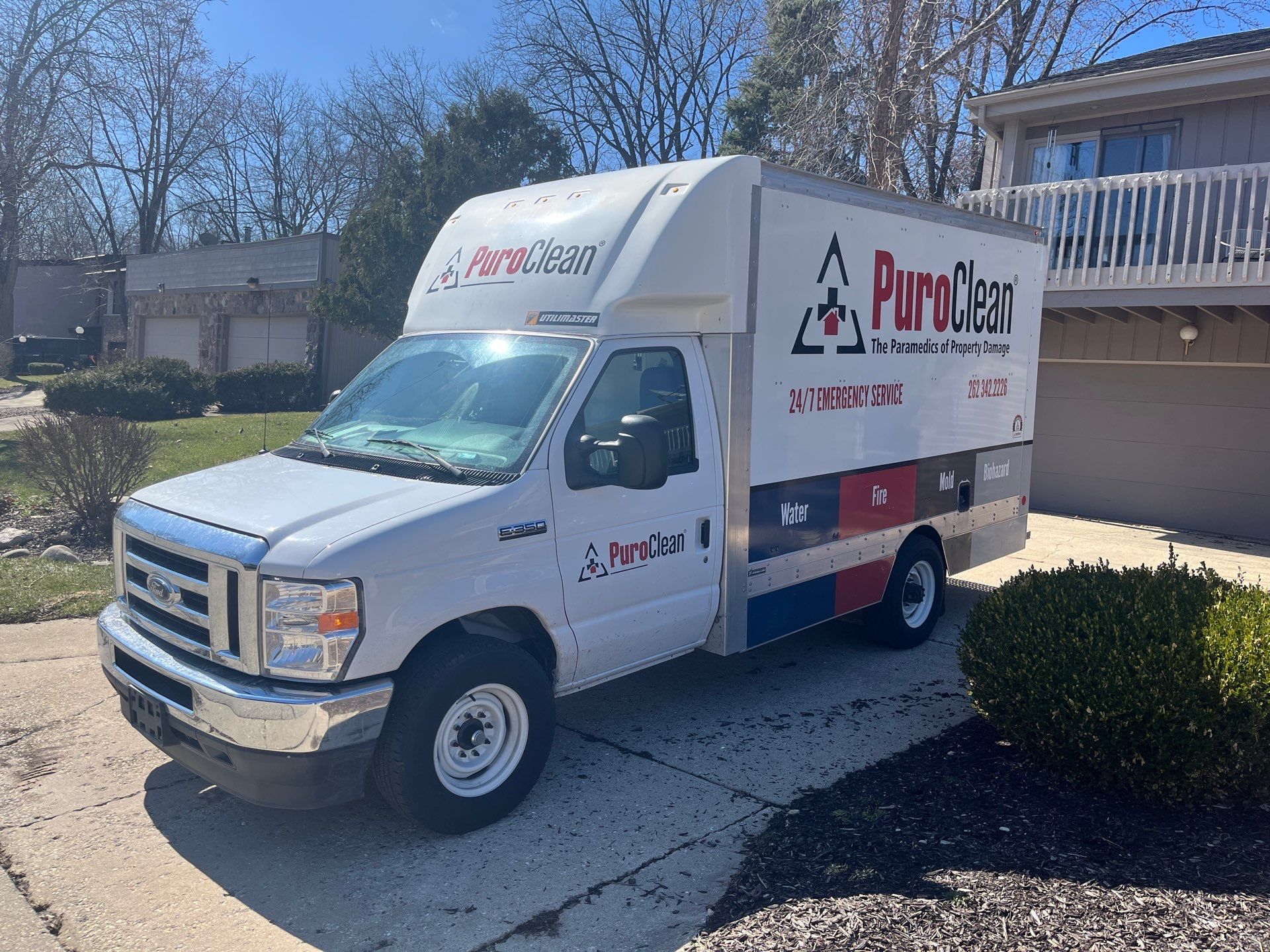
When water damage threatens your commercial property, a professional response minimizes downtime, protecting revenue, customer relationships, and business viability.
PuroClean of Burlington provides complete commercial water mitigation, including:
✓ 60-Minute Emergency Response 24/7 throughout Burlington and Kenosha ✓ Rapid Commercial Water Extraction with truck-mounted equipment ✓ Business Continuity Planning isolating damage and maintaining operations ✓ Complete Structural Drying using commercial-grade dehumidification ✓ Inventory and Equipment Salvage through content pack-out and cleaning ✓ Commercial Insurance Coordination expediting claims and payment ✓ Phased Reconstruction allowing progressive business reopening ✓ Regulatory Compliance meeting all commercial property standards
Commercial properties we serve:
Office buildings | Retail stores | Restaurants | Manufacturing facilities | Warehouses | Medical offices | Assisted living facilities | Schools | Churches | Hotels | Multi-family properties
Serving all Burlington and Kenosha area businesses:
Burlington | Kenosha | Racine | Pleasant Prairie | Somers | Bristol | Salem | Lake Geneva | Elkhorn | Delavan
What makes PuroClean of Burlington different for commercial clients:
🏢 True 24/7 Commercial Response arriving within 60 minutes 🏢 Veteran-Owned Company understanding business discipline and urgency 🏢 IICRC Commercial Certification in water damage restoration 🏢 Business Continuity Focus prioritizing revenue protection 🏢 Commercial Insurance Expertise maximizing claim outcomes 🏢 Flexible Scheduling working around business operations 🏢 Complete Documentation satisfying commercial insurance requirements
Beyond emergency commercial water mitigation:
- Complete water damage restoration
- Fire and smoke damage restoration
- Mold remediation services
- Biohazard cleanup
- Complete commercial reconstruction
Do not let water damage close your business for weeks. Professional commercial water mitigation minimizes downtime, protecting everything you have built.
Commercial Water Emergency? Get Immediate Professional Response.
PuroClean of Burlington: Commercial Water Mitigation Specialists
(262) 342-2226
60-Minute Response | Business Continuity Focus | Insurance Experts
Serving All Burlington & Kenosha Commercial Properties
Minimize Downtime | Protect Revenue | Maintain Customer Relationships
Summary: Commercial Water Mitigation Minimizing Business Downtime
Commercial water mitigation minimizes business downtime through seven critical steps: immediate emergency response within 60 minutes assessing damage and beginning extraction, rapid water removal using commercial equipment completing in hours versus days, business continuity planning isolating affected areas allowing partial operations, complete structural drying with commercial systems achieving thorough results within 3-7 days, inventory and equipment salvage protecting valuable assets, streamlined insurance coordination expediting claims and payment, and phased reconstruction allowing progressive reopening rather than complete closure until finished.
Professional commercial water mitigation differs fundamentally from residential restoration in its business-continuity focus, scale of operations, insurance complexity, regulatory compliance, and understanding that every closed day costs revenue and customer relationships. Burlington and Kenosha businesses face unique challenges, including aging infrastructure, regional weather patterns, and manufacturing/retail concentration, which require specialized commercial expertise.
When water damage threatens your commercial property, immediate professional response protects financial viability. Call PuroClean of Burlington at (262) 342-2226 for 24/7 commercial water mitigation throughout Burlington, Kenosha, and southeastern Wisconsin with 60-minute emergency response, commercial-grade equipment, business continuity planning, and proven expertise minimizing downtime for all commercial property types from offices to manufacturing facilities.
PuroClean of Burlington 📞 Call Now: (262) 342-2226 🕒 Available 24/7 — Because disasters don’t wait.
🔗 Quick Links: Instagram | Google Reviews & Directions | Facebook | Pinterest