


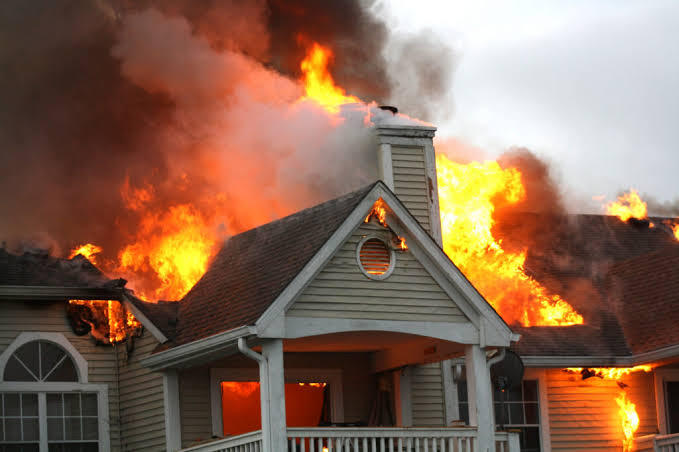
Fire damage restoration cost depends on nine key factors: the overall severity and extent of fire damage, how deeply smoke and soot penetrated materials, whether structural components were affected, the amount of water damage from firefighting efforts, how many contents require cleaning or replacement, the intensity of smoke odor requiring elimination, the total square footage impacted, the types of materials affected, and how quickly restoration begins after the fire. Understanding these factors helps Burlington homeowners set realistic expectations, communicate effectively with insurance providers, and recognize why professional assessment matters more than a quick estimate over the phone.
Nobody plans for a fire.
One moment your home is normal, and the next you’re standing outside watching firefighters work while your mind races through everything that just happened. Once the immediate danger passes, a new question takes over: What happens now, and what factors into fire-damage restoration costs?
It’s a fair question and an important one. Every fire is different, which means every fire damage restoration cost estimate looks different too. Understanding what actually drives these numbers helps Burlington homeowners navigate the process with clearer expectations rather than guessing in the dark.
For professional fire damage assessment and restoration throughout Burlington, call PuroClean of Burlington at (262) 342-2226 for expert evaluation and guidance through the entire process.
I’ve walked through countless Burlington homes in the aftermath of fires, and one thing remains consistent: no two situations are identical. What affects fire damage restoration cost in one home may barely register in another. This guide breaks down the nine factors that matter most.
Factor 1: Overall Severity and Extent of Fire Damage
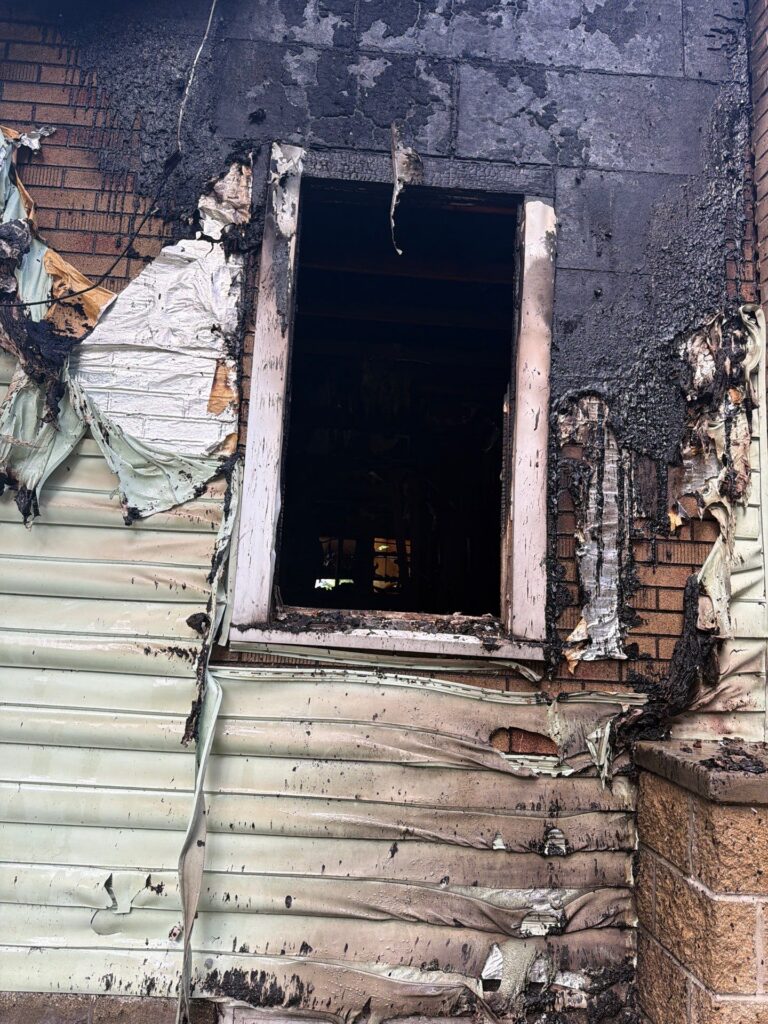
How does fire severity affect fire damage restoration cost?
Answer: The overall severity of a fire, whether it was contained to one room or spread throughout multiple areas, represents the single biggest factor in fire damage restoration cost. Limited, contained fires require far less restoration work than fires that spread through walls, ceilings, and multiple rooms.
Severity sets the foundation for everything else.
Contained versus spreading fires:
A fire that stays confined to a kitchen stovetop involves dramatically less restoration than one that travels through wall cavities into adjoining rooms. Fire damage restoration cost scales directly with how far flames actually traveled before containment.
Duration matters:
Fires burning longer before extinguishing cause exponentially more damage. Even a few extra minutes can mean the difference between surface char and complete structural compromise, significantly influencing fire damage restoration costs.
Multiple room involvement:
When fire spreads to multiple rooms or floors, restoration teams must address each affected area individually. This multiplies both the assessment time and the actual remediation work reflected in fire damage restoration costs.
Point of origin considerations:
Fires starting in areas with more flammable materials, like kitchens or garages, sometimes escalate faster, affecting overall severity and, subsequently, fire damage restoration cost.
Severity assessment forms the starting point for every fire damage restoration cost estimate.
Factor 2: Smoke and Soot Penetration Depth
Why does smoke penetration affect fire damage restoration costs?
Answer: Smoke and soot don’t just coat surfaces; they penetrate porous materials, including drywall, insulation, and fabric. Deeper penetration requires more intensive cleaning or complete material replacement, directly increasing fire damage restoration cost beyond what visible damage alone might suggest.
What you can’t see often costs the most.
Porous material absorption:
Drywall, carpet, upholstery, and insulation absorb smoke particles deep within their structure. Surface cleaning cannot address this penetration, requiring more extensive treatment that affects fire damage restoration costs.
Protein residue from certain fires:
Fires involving cooking materials or organic substances leave behind protein-based residue that’s notoriously difficult to remove. This residue type often increases fire damage restoration costs compared to standard smoke damage.
HVAC system contamination:
Smoke travels through ductwork, contaminating entire HVAC systems even in rooms untouched by flames. Addressing this hidden contamination adds to fire damage cost calculations.
Ceiling and wall cavity infiltration:
Smoke migrates into wall cavities and above ceilings, sometimes requiring partial demolition to access and treat these hidden areas properly, another factor affecting fire damage cost.
Smoke penetration depth often surprises homeowners who expected only surface-level restoration needs.
Factor 3: Structural Component Damage
How does structural damage influence fire damage restoration costs?
Answer: When fire compromises structural elements like load-bearing walls, roof trusses, or floor joists, restoration shifts from cleaning and cosmetic repair to full reconstruction. Structural involvement represents one of the largest contributors to elevated fire damage restoration costs.
Structural damage changes the entire scope of work.
Load-bearing wall assessment:
Fires that weaken or compromise load-bearing walls require structural engineering evaluation before any restoration begins, adding both time and expense to fire damage costs.
Roof and framing damage:
Fires that burn through roofing materials or damage framing require complete reconstruction of these areas. This category of damage substantially increases fire damage costs compared to surface-level restoration.
Foundation and subfloor concerns:
In severe fires, even foundation and subfloor materials can sustain heat damage, requiring specialized assessment, further influencing fire damage costs.
Code compliance requirements:
Structural rebuilding often triggers current building code requirements that didn’t exist when the original structure was built, adding compliance-related costs to overall fire damage costs.
Structural evaluation should always precede any fire damage restoration cost estimate involving significant fire spread.
Factor 4: Water Damage From Firefighting Efforts
Why does firefighting water affect fire damage restoration costs?
Answer: Extinguishing a fire often requires substantial water, creating secondary water damage throughout the property. This water damage requires its own extraction, drying, and mold prevention process, adding significantly to the total fire damage Mitigation cost beyond the fire damage itself.
Water damage frequently rivals fire damage in scope.
Extraction and drying requirements:
Standing water from firefighting efforts requires professional extraction and structural drying using commercial dehumidifiers, a process that adds directly to fire damage repair costs.
Mold prevention necessity:
Water introduced during firefighting creates mold risk within 24 to 48 hours if not properly addressed, requiring preventive treatment that factors into fire damage costs.
Material saturation below fire zones:
Water travels downward through floors and ceilings, affecting rooms below the actual fire location. This secondary damage expands the total area factored into fire damage mitigation costs.
Combined fire and water restoration:
Properties requiring both fire and water damage restoration need coordinated remediation addressing both issues simultaneously, which affects overall fire damage mitigation cost calculations.
Firefighting water damage catches many homeowners off guard when reviewing fire damage mitigation cost estimates.
Factor 5: Contents Restoration Versus Replacement
How do personal belongings factor into fire damage restoration costs?
Answer: Furniture, electronics, clothing, and personal items affected by fire may be salvageable through specialized cleaning or may require complete replacement. The volume and type of contents affected significantly influence the overall fire damage restoration cost.
Your belongings represent a major cost category.
Salvageable versus total loss items:
Professional restoration can often save items that seem ruined through specialized cleaning techniques, though this restoration work itself contributes to fire damage costs.
Electronics and specialty items:
Smoke-damaged electronics require specialized cleaning processes distinct from standard contents restoration, sometimes adding specialized service costs to fire damage restoration costs.
Textile and fabric treatment:
Clothing, curtains, and upholstered furniture often require specialized odor and soot removal treatment, another category factored into fire damage restoration costs.
Sentimental and irreplaceable items:
Photos, documents, and heirloom items may require specialized preservation techniques, adding a unique dimension to fire damage restoration costs that standard replacement value doesn’t capture.
Contents restoration decisions significantly shape final fire damage mitigation cost totals.
Factor 6: Smoke Odor Elimination Intensity
Why does odor removal affect fire damage restoration costs?
Answer: Persistent smoke odor requires specialized treatment beyond standard cleaning, including thermal fogging, ozone treatment, or hydroxyl generators. The intensity and pervasiveness of smoke odor throughout a property directly impact fire damage restoration costs.
Odor elimination requires specialized science.
Treatment method selection:
Different odor intensities require different professional techniques, from simple air scrubbing to intensive thermal fogging, each carrying different implications for fire damage restoration costs.
Whole-home odor penetration:
When smoke odor penetrates throughout an entire property rather than staying contained, more extensive treatment becomes necessary, increasing fire damage mitigation costs accordingly.
Multiple treatment sessions:
Severe odor situations sometimes require multiple treatment sessions to fully eliminate the smell, extending both the timeline and the fire damage mitigation cost.
HVAC odor circulation:
Odor trapped within HVAC systems requires ductwork treatment to prevent recontamination, adding another layer to fire damage restoration costs.
Odor elimination often surprises homeowners as a distinct cost category within fire damage restoration cost estimates.
Factor 7: Total Square Footage Affected
How does affected area size influence fire damage restoration cost?
Answer: Larger affected areas naturally require more labor, materials, and equipment, creating a direct relationship between square footage and fire damage restoration cost. This includes both directly burned areas and adjacent spaces affected by smoke and water.
Scale matters throughout the restoration process.
Direct versus indirect damage areas:
The actual burned square footage represents only part of the equation. Smoke and water damage often extend well beyond the fire’s physical footprint, expanding the total area factored into fire damage restoration costs.
Multi-story complications:
Fires affecting multiple floors require restoration teams to address vertical spread patterns, adding complexity that influences fire damage restoration cost beyond simple square footage calculations.
Room-by-room assessment:
Professional assessment evaluates each room individually for the type and extent of damage present, building a comprehensive picture that determines fire damage restoration cost.
Square footage provides a useful starting point, though it rarely tells the complete fire damage restoration cost story alone.
Factor 8: Types of Materials and Finishes Affected
Why do specific materials affect fire damage restoration costs?
Answer: Different building materials and finishes respond differently to fire and smoke exposure, with some requiring simple cleaning while others need complete replacement. Higher-end finishes, custom materials, and specialty surfaces typically increase fire damage restoration costs compared to standard materials.
Material composition shapes restoration approach.
Standard versus custom materials:
Custom cabinetry, specialty flooring, or unique architectural details often cannot simply be replaced with standard materials, sometimes requiring longer lead times and specialized sourcing that affects fire-damage restoration costs.
Hard surface versus soft surface damage:
Hard surfaces like tile and countertops often clean more easily than soft surfaces like carpet and upholstery, creating variation in fire damage restoration cost depending on the materials present.
Historic or older home considerations:
Older Burlington homes sometimes contain materials no longer commonly available, requiring specialized restoration or custom fabrication that influences fire damage restoration costs differently than modern construction.
Material type consistently proves to be an underappreciated factor in fire damage restoration cost variation between similar-sized homes.
Factor 9: Response Timeline and Restoration Urgency
How does response speed affect fire damage restoration cost?
Answer: Rapid professional response within the first 24 to 48 hours after a fire helps prevent secondary damage from water, smoke residue setting into materials, and mold growth. A delayed response typically increases fire damage restoration costs as preventable secondary damage compounds the original fire damage.
Time genuinely affects the bottom line.
Secondary damage prevention:
Prompt water extraction and drying after firefighting efforts prevent mold establishment, avoiding additional remediation costs that would otherwise increase fire damage restoration costs.
Soot setting and permanence:
The longer soot sits on surfaces, the more it can permanently stain or etch certain materials, potentially requiring replacement rather than cleaning and affecting fire damage restoration costs.
Weather exposure risks:
Fire-damaged structures left exposed to weather without proper board-up and tarping services risk additional damage that compounds the original fire damage restoration cost.
Insurance timeline considerations:
Prompt documentation and response also support insurance claims more effectively, helping ensure fire damage restoration costs receive appropriate coverage consideration.
Acting quickly after a fire consistently helps control fire damage restoration costs by preventing avoidable secondary damage.
Frequently Asked Questions About Fire Damage Restoration Cost
Does homeowners insurance typically cover fire damage restoration costs?
Most homeowners insurance policies cover fire damage, though coverage specifics vary by policy. Professional documentation from your restoration team supports the claims process and helps ensure fair assessment of fire damage restoration costs.
How can I get an accurate fire damage restoration cost estimate?
Professional in-person assessment provides the most accurate picture, since fire damage restoration cost depends on factors that simply cannot be evaluated over the phone or through photos alone.
Should I get multiple estimates before starting restoration?
While comparing estimates can be helpful, prioritize working with IICRC-certified professionals who provide thorough assessments over choosing based on the lowest number alone, since incomplete restoration often leads to problems down the road.
Can I do any of the fire cleanup myself to save money?
Fire and smoke residue can contain hazardous substances, and improper cleaning attempts sometimes worsen damage or spread contamination. Professional assessment helps determine what, if anything, is safe for homeowner involvement.
How long does the fire damage restoration process typically take?
The timeline varies significantly based on the same factors affecting fire damage restoration cost. Minor, contained damage might resolve within days, while extensive structural damage can take weeks or months to fully restore.
What should I do immediately after a fire before restoration begins?
Contact your insurance provider, reach out to a professional restoration company promptly, avoid entering damaged areas until deemed safe, and refrain from cleaning anything yourself before professional assessment documents the damage.
Professional Fire Damage Restoration Services

PuroClean of Burlington provides comprehensive solutions:
✓ Professional Fire Damage Assessment with detailed documentation
✓ Smoke and Soot Removal using proven techniques
✓ Structural Repair Coordination for compromised areas
✓ Water Extraction from firefighting efforts
✓ Contents Restoration: salvaging what’s possible
✓ Professional Odor Elimination including thermal fogging
✓ Insurance Claim Support and documentation
✓ 24/7 Emergency Response when you need it most
Related Services:
Fire Damage Restoration
Water Damage Restoration
Mold Removal Services
Professional Inspection Services
Facing Fire Damage in Your Burlington Home?
Get Professional Assessment and Honest Guidance
☎️ CALL: (262) 342-2226
24/7 Emergency Response | Insurance Coordination | Expert Restoration
Serving Burlington & Surrounding Communities
Summary: Understanding What Drives Fire Damage Restoration Cost
Fire damage restoration cost depends on nine interconnected factors: overall fire severity, smoke and soot penetration depth, structural component damage, water damage from firefighting, contents restoration needs, odor elimination intensity, total square footage affected, material types involved, and how quickly restoration begins. No single factor tells the complete story, which is why professional in-person assessment always provides more reliable guidance than general estimates.
Burlington homeowners facing fire damage benefit most from prompt professional response, thorough documentation, and clear communication with both restoration teams and insurance providers throughout the process.
If your Burlington home has experienced fire damage, contact PuroClean of Burlington at (262) 342-2226 for professional assessment, honest guidance, and expert restoration throughout Burlington and all surrounding service areas.
PuroClean of Burlington 📞 Call Now: (262) 342-2226 🕒 Available 24/7—because disasters don’t wait.
🔗 Quick Links: Instagram | Google Reviews & Directions | Facebook | Pinterest