


QUICK ANSWER: Is Your Musty Smell Actually Mold?
Musty smell in Burlington basements likely indicates mold when six critical signs appear: (1) persistent earthy odors remaining despite cleaning and ventilation; (2) smell intensifying with humidity or rain; (3) odor after water damage within days of leaks or flooding; (4) health symptoms including respiratory issues or allergies; (5) visible moisture or water stains near smell sources; and (6) localized odor intensity in specific basement areas, with these indicators requiring professional mold inspection to determine contamination extent, species identification, and appropriate remediation to protect Burlington homes from health hazards and property damage through certified mold removal services.
You walk down to your Burlington basement and immediately notice that smell.
Earthy. Damp. Unpleasant. You have tried airing out the space. You have scrubbed surfaces. Yet that musty smell persists.
Is it actually mold? Or something less concerning?
For professional mold inspection and removal serving Burlington and all southeastern Wisconsin, call PuroClean of Burlington at (262) 342-2226 for expert assessment and certified remediation services available 24/7.
I have helped countless Burlington homeowners investigate persistent musty smells in their basements over the years. While not every musty odor indicates mold, certain warning signs make professional investigation essential to protect your family’s health and your property investment.
This comprehensive guide reveals six critical signs that a musty smell in your Burlington basement indicates actual mold contamination, the differences between various basement odors, and when DIY solutions prove inadequate, requiring professional mold removal services.
Understanding what musty smell actually means determines whether you need professional help or can resolve issues with simple cleaning and moisture control.
Sign 1: Persistent Musty Smell Despite Cleaning
Does persistent odor indicate mold contamination?
Answer: A persistent musty smell remaining after thorough cleaning strongly indicates actual mold growth rather than temporary odors from dampness or dirt, because mold produces volatile organic compounds creating characteristic earthy, musty odors that cleaning cannot eliminate without removing mold sources, while temporary basement odors from moisture alone dissipate with ventilation and drying, making persistence after cleaning attempts the primary indicator requiring professional mold inspection and identifying hidden contamination.
Odors that will not go away signal real problems.
Why mold odors persist:
Mold produces microbial volatile organic compounds (MVOCs) as it grows and digests organic materials. These compounds create the distinctive musty smell associated with mold. Two primary compounds responsible for this odor are geosmin and 2-methylisoborneol.
According to the Environmental Protection Agency, your nose detects these compounds at incredibly low concentrations, often before visible mold appears. This sensitivity means a persistent musty smell despite cleaning indicates ongoing mold growth, even when you cannot see contamination.
Cleaning versus remediation:
Surface cleaning removes dirt, debris, and some odors. However, cleaning cannot eliminate musty smell from mold growing inside walls, under flooring, in insulation, or other hidden locations where most basement mold thrives.
If you have thoroughly cleaned your Burlington basement, including walls, floors, and stored items, yet musty smell returns within days or weeks, hidden mold growth almost certainly exists, requiring professional investigation.
Temporary versus permanent odors:
Temporary basement odors from recent dampness, stored items, or inadequate ventilation typically dissipate with cleaning, airing out, and moisture control. These odors do not persist despite remediation efforts.
Musty smell that stubbornly remains regardless of cleaning intensity indicates biological growth producing odor compounds faster than cleaning can eliminate them. This persistence demands professional assessment.
Burlington-specific factors:
Burlington’s proximity to Lake Geneva creates persistent humidity, especially during the summer months. This humidity supports mold growth in basements with any moisture intrusion or inadequate ventilation. A persistent musty smell in Burlington basements frequently indicates active mold requiring professional remediation.
Persistent odor resistance to cleaning represents the primary indicator that musty smell actually means mold contamination requiring expert intervention.
Sign 2: Musty Smell Intensifying with Humidity Changes
Why does humidity affect basement musty smell in the basement?
Answer: A musty smell intensifying during humid weather or rain indicates active mold growth because increased moisture activates dormant mold colonies, accelerating growth and volatile organic compound release, creating stronger odors, while non-biological odors remain relatively constant regardless of humidity levels, making odor fluctuation with weather patterns clear evidence that a musty smell results from living mold organisms rather than simple dampness or other basement odor sources.
Odor changes with weather reveal biological sources.
Humidity’s effect on mold activity:
Mold growth accelerates when relative humidity exceeds 60%. Burlington basements often reach 70-80% humidity during the summer months, especially near Lake Geneva. This elevated humidity activates mold growth, increasing metabolic activity and MVOC production.
When the musty smell becomes noticeably stronger during humid days or rainstorms, it indicates living mold responding to environmental conditions. This biological response pattern confirms actual contamination rather than simple dampness.
Seasonal odor patterns:
Many Burlington homeowners notice a musty smell worsening during the humid summer months and then improving slightly during the drier winter periods. This seasonal variation strongly suggests mold growth cycling with moisture availability.
However, winter improvement does not mean mold has disappeared. Instead, growth temporarily slows during low-humidity periods. Mold remains present, ready to resume active growth when humidity increases again.
Rain-related odor increases:
Musty smell intensifying within hours or days after rain indicates water intrusion supporting mold growth. Foundation leaks, window well drainage problems, or sump pump issues allow water entry during rain events. This moisture feeds mold, creating immediate odor increases.
If you notice musty smell correlated with rainfall, a professional inspection should identify water entry points, while mold remediation addresses existing contamination.
Dehumidifier impact on odors:
Running dehumidifiers that reduce basement humidity below 50% should noticeably decrease musty smell from active mold by slowing growth and MVOC production. If odors remain intense despite effective dehumidification, extensive hidden mold likely exists, requiring professional removal.
However, dehumidification alone cannot eliminate existing mold. While controlling future growth, musty smell persists from established colonies, requiring physical removal through professional mold remediation services.
Weather-related musty smell fluctuations provide clear evidence of biological mold growth versus simple basement dampness requiring different solutions.
Sign 3: Musty Smell Appearing After Water Damage
Does water damage always create mold and musty smell?
Answer: Musty smell appearing within 24-72 hours after water damage from flooding, leaks, or sewage backups indicates rapid mold establishment because mold colonizes wet materials within this timeframe, with odors confirming active growth requiring immediate professional water damage restoration and mold prevention protocols, while proper drying within 24-48 hours prevents mold development, eliminating musty smell before establishment, making the timeline critical for preventing contamination.
Post-water-damage odors signal urgent mold problems.
The 24-48 hour mold growth window:
Mold begins growing on wet materials within 24-48 hours after water exposure. By 72 hours, colonies establish sufficiently to produce a detectable musty smell. This rapid timeline makes immediate action critical after any Burlington basement water damage.
If musty smell appears within days of water damage from burst pipes, foundation leaks, or flooding, mold growth has definitively begun, requiring professional intervention to prevent extensive contamination.
Types of water damage creating mold:
Clean water from the supply line leaks provides 48-72 hours before mold establishment. Gray water from appliances accelerates growth starting within 24-48 hours. Black water from sewage or flooding creates immediate contamination, with mold and bacteria growth beginning within hours.
Any category of water damage left unaddressed creates musty smell within days. According to the Centers for Disease Control, prompt drying represents the most effective mold prevention method after water damage.
Hidden moisture creates hidden mold:
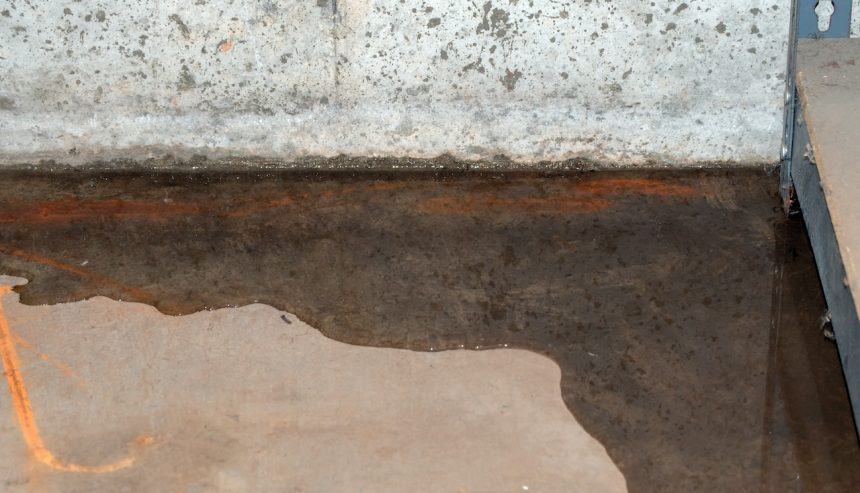
Water damage often affects hidden areas, including wall cavities, under flooring, and in insulation. These locations stay wet for extended periods even when visible surfaces appear dry. Hidden moisture creates hidden mold, producing a musty smell without visible growth.
Professional moisture detection using thermal imaging and moisture meters locates hidden water damage, guiding thorough drying and preventing mold establishment and associated musty smells.
Burlington spring flooding risks:
Burlington experiences significant spring flooding from snowmelt and rain. Basement water intrusion during these events frequently creates musty smell within days, indicating rapid mold growth requiring immediate professional water damage restoration and mold prevention.
Musty smell following any water damage constitutes an emergency requiring immediate professional assessment and remediation, preventing extensive mold contamination.
Sign 4: Health Symptoms Accompanying Musty Smell
What health symptoms indicate mold exposure from a musty smell?
Answer: Health symptoms accompanying musty smell, including persistent respiratory problems, chronic allergies, asthma attacks, persistent coughing, headaches, fatigue, skin rashes, or eye irritation, indicate actual mold exposure creating health impacts, with symptoms improving when leaving home and worsening upon return, confirming an environmental mold source, making medical evaluation and professional mold inspection essential for protecting family health through complete contamination identification and certified removal.
Health impacts transform musty smell into urgent health hazards.
Common mold exposure symptoms:
Respiratory effects represent the most common mold exposure symptoms. These include nasal congestion, throat irritation, coughing, wheezing, and difficulty breathing. Individuals with asthma experience increased attack frequency and severity.
Allergic reactions manifest as sneezing, a runny nose, red eyes, and skin rashes. Some individuals develop new allergies to mold after prolonged exposure, creating lifetime sensitization.
Neurological and systemic effects:
While less common, some individuals experience headaches, fatigue, difficulty concentrating, and memory problems from mold exposure. These symptoms are particularly associated with toxic mold species, though any extensive mold growth can create these effects in sensitive individuals.
Children, the elderly, pregnant women, and immunocompromised individuals face the greatest health risks from a musty smell indicating mold exposure. Any symptoms in vulnerable populations warrant immediate professional assessment.
The “feel better when away” pattern:
A clear indicator of home environmental mold problems: symptoms improve significantly when away from home for extended periods and then return or worsen upon coming home. This pattern strongly suggests musty smell results from actual mold contamination rather than other causes.
If family members experience this pattern, professional mold inspection becomes medically necessary, identifying and eliminating exposure sources and protecting long-term health.
Medical documentation importance:
When musty smell accompanies health symptoms, a medical evaluation provides documentation supporting a mold exposure diagnosis. Physicians may recommend an environmental assessment. Professional mold testing provides species identification and contamination levels, helping doctors diagnose and treat mold-related illnesses.
This medical documentation also supports insurance claims for mold remediation when health impacts demonstrate necessity beyond simple property maintenance.
Health symptoms elevate musty smell from a nuisance to a serious health hazard requiring immediate professional intervention through certified mold removal, protecting family well-being.
Sign 5: Visible Moisture or Water Stains Near Musty Smell
Do water stains always indicate mold causing musty smell?
Answer: Visible moisture, water stains, or dampness near musty smell sources strongly indicate mold growth because these conditions create perfect mold colonization environments, providing moisture mold requires, with water stains showing historical or ongoing moisture exposure likely supporting hidden mold behind walls or under materials even when the surface appears dry, making any moisture evidence combined with musty smell definitive indicators requiring professional mold inspection to determine contamination extent and appropriate remediation.
Moisture plus odor equals probable mold contamination.
Types of moisture indicators:
Active dampness on walls, floors, or ceilings obviously supports mold growth. However, historical water stains showing past moisture exposure also indicate likely mold presence. Water infiltration creates mold that persists even after surfaces dry.
Efflorescence (white mineral deposits) on concrete indicates moisture wicking through the foundation. This moisture supports mold growth on organic materials like drywall, wood, or stored items, creating musty smell even when the concrete itself appears relatively dry.
Common Burlington moisture sources:
Foundation cracks are allowing groundwater intrusion. Window well drainage problems. Condensation from inadequate insulation or ventilation. Sump pump failures during heavy rain. These moisture sources frequently affect Burlington basements, creating ideal mold conditions.
Musty smell combined with any moisture evidence warrants immediate professional assessment, identifying water sources, assessing mold extent, and implementing comprehensive solutions addressing both moisture and contamination.
Hidden moisture detection:
Surface moisture inspection reveals only partial problems. Professional moisture meters detect elevated readings inside walls, under flooring, and in other hidden locations. Thermal imaging cameras show temperature differences indicating moisture or air leaks.
This professional detection locates hidden moisture, explaining musty smell sources even when visible inspection shows no obvious problems. Hidden moisture creates hidden mold, requiring professional equipment for location and assessment.
Moisture control importance:
Eliminating moisture proves as critical as removing mold. Without moisture correction, mold returns after remediation, creating recurring musty smell problems. Professional services address both contamination removal and moisture elimination, providing permanent solutions.
Burlington’s Lake Geneva humidity makes moisture control particularly challenging, requiring comprehensive approaches, including dehumidification, ventilation, drainage improvements, and foundation waterproofing to maintain dry conditions and prevent mold growth.
Visible moisture or water stains combined with a musty smell provide clear evidence of mold contamination requiring professional assessment and comprehensive remediation addressing both symptoms and causes.
Sign 6: Localized Intense Musty Smell Areas
What do specific strong odor locations indicate?
Answer: An intense musty smell concentrated in specific basement areas indicates heavy local mold growth at those locations, often from water damage, moisture intrusion, or poor ventilation creating ideal conditions in isolated zones, with smell intensity correlating to contamination severity, making concentrated odors more concerning than diffuse smells and requiring focused professional investigation of high-intensity areas likely revealing significant visible or hidden mold requiring immediate remediation to protect health and prevent spread.
Smell intensity and location guide mold investigation.
Mapping odor patterns:
Walking through Burlington basements, noting where musty smell appears strongest, provides investigative clues. Concentrated odors near exterior walls suggest foundation moisture or drainage problems. Strong smells near plumbing indicate potential pipe leaks. Intense odors in corners reveal ventilation deficiencies.
This odor mapping guides professional inspection toward likely contamination sources, enabling efficient investigation and targeted remediation.
High-risk basement locations:
Certain basement areas experience higher mold risk, creating a concentrated musty smell. Floor-wall joints where basement floors meet walls. Rim joists along the basement perimeters. Areas near sump pump basins. Locations under first-floor bathrooms or kitchens. Window wells and basement window areas.
When musty smell concentrates in these high-risk locations, professional inspection should prioritize these areas while investigating the entire basement comprehensively.
Smell intensity and contamination extent:
A strong, intense, musty smell indicates heavy mold growth. Mild diffuse odors suggest light contamination. Smell intensity generally correlates with mold extent, though exceptions exist when small toxic mold colonies produce strong odors.
A concentrated, intensely musty smell warrants immediate professional assessment, given likely significant contamination requiring proper containment, removal, and decontamination beyond homeowner DIY capabilities.
Multiple odor sources:
Some Burlington basements show multiple distinct areas with a concentrated musty smell. This pattern indicates either widespread moisture problems creating multiple mold colonies or extensive hidden growth with odors escaping at various locations.
Multiple smell sources or a whole-basement pervasive musty smell indicates serious contamination requiring comprehensive professional remediation rather than simple localized treatment.
A localized, intense musty smell provides specific targets for professional investigation, revealing contamination sources requiring focused remediation, protecting homes from progressive mold spread.
Distinguishing Mold from Other Basement Odors
How do you differentiate mold from other sources of musty smells?
Answer: Moldy musty smells differ from other basement odors through characteristic earthy damp odors persisting despite cleaning; smells intensifying with humidity; biological rather than chemical odor qualities; and accompaniments by health symptoms or visible moisture, while non-mold musty smell sources, including sewage, have distinct foul odors; chemical smells from stored materials differ from biological earthiness; and simple dampness produces temporary odors dissipating with drying, with professional testing providing definitive identification when uncertainty exists.
Understanding odor characteristics guides appropriate response.
Mold versus mildew odors:
Mildew represents surface mold growing on materials in high humidity. Mildew produces a similar musty smell to deeper mold but appears as surface growth easily cleaned. True mold penetrates materials requiring removal rather than surface cleaning.
Both create musty smell. However, mildew responds to cleaning and humidity control, while mold requires professional remediation. If musty smell persists despite cleaning the surface of mildew, deeper mold exists, requiring expert assessment.
Other basement odor sources:
Sewage or sewer gas produces distinct foul odors different from earthy, moldy, or musty smells. Chemical odors from paints, solvents, or stored materials differ from biological mold smells. Pet odors have characteristic ammonia qualities.
Dead rodents or other decomposition create intensely foul odors, unlike the musty smell from mold. Standing water produces dank odors without the earthy biological quality of mold smells.
Professional testing and identification:
When uncertainty exists about whether a musty smell indicates mold, professional air quality testing and surface sampling provide definitive identification. Laboratory analysis identifies mold species and spore concentrations, confirming contamination.
This testing eliminates guesswork, ensuring an appropriate response. Mold requires remediation. Other odors need different solutions. Professional identification prevents wasted effort on the wrong approaches.
DIY identification limitations:
Visual inspection reveals obvious mold growth. However, hidden mold creating musty smell requires professional detection using moisture meters, thermal imaging, and borescope cameras to investigate wall cavities and other concealed locations.
Attempting DIY mold identification often misses hidden contamination, allowing problems to worsen. Professional assessment provides a comprehensive evaluation, ensuring nothing gets overlooked, protecting health and property.
Understanding odor characteristics combined with professional assessment when needed ensures accurate identification and appropriate response to musty smell in Burlington basements.
Frequently Asked Questions: Musty Smell and Mold
Can musty smell exist without visible mold?
Yes, musty smell frequently occurs without visible mold because most Burlington basement mold grows in hidden locations, including inside walls, under flooring, in insulation, or ceiling plenums, where contamination remains invisible while producing detectable odors. Mold also releases volatile organic compounds, creating musty smell at very low concentrations before growth becomes extensive enough for visual detection. A persistent musty smell without visible mold requires professional inspection using moisture meters and thermal imaging to locate hidden contamination requiring remediation despite a lack of obvious growth.
Is musty smell dangerous to my health?
Musty smell itself indicates mold presence, releasing spores and mycotoxins that can cause health problems, including respiratory issues, allergic reactions, asthma attacks, and other symptoms, especially in sensitive individuals. While a mild, transient musty smell may not create immediate danger, persistent, strong odors indicate significant contamination, warranting concern. Children, the elderly, immunocompromised individuals, and those with respiratory conditions face the greatest risks. Any musty smell accompanied by health symptoms requires immediate professional mold removal, protecting family well-being through complete contamination elimination.
Can I eliminate musty smell without professional help?
Minor musty smell from simple surface dampness may respond to thorough cleaning, improved ventilation, and dehumidification, maintaining humidity below 50%. However, a persistent musty smell despite these efforts indicates actual mold growth, requiring professional remediation. DIY cleaning cannot adequately address mold in hidden locations or extensive contamination. Attempting DIY removal often spreads spores, worsening problems. Professional mold removal provides proper containment, complete elimination, and moisture control, preventing recurrence; ensuring long-term musty smell resolution; and protecting health and property.
How quickly should I address musty smell in my basement?
Address the musty smell promptly, ideally within days of detection. Mold grows rapidly once established, especially in Burlington’s humid climate. A quick professional assessment determines whether simple moisture control suffices or comprehensive remediation becomes necessary. Delaying a response allows mold to spread, increases health exposure, and escalates remediation complexity. If a musty smell appears suddenly, is accompanied by health symptoms, or follows water damage, an immediate 24/7 emergency response proves essential. Call PuroClean Burlington at (262) 342-2226 for a rapid professional assessment, preventing minor issues from becoming major contamination.
Does a dehumidifier eliminate musty smell from mold?
Dehumidifiers reduce humidity, preventing new mold growth, and may slightly decrease musty smell intensity by slowing existing mold activity. However, dehumidifiers cannot eliminate musty smells from established mold colonies, requiring physical removal. Dehumidification provides important moisture control, preventing recurrence after professional mold remediation, but it cannot substitute for proper contamination removal. A persistent musty smell, despite effective dehumidification and maintaining humidity below 50%, confirms significant mold presence requiring professional removal beyond simple humidity control measures, protecting long-term indoor air quality.
Can cold weather reduce musty smell from mold?
Cold weather may temporarily reduce musty smell intensity by slowing mold growth and volatile organic compound release during winter months when basements cool and humidity drops. However, mold remains alive and dormant, ready to resume active growth when temperatures warm and humidity increases. Winter musty smell reduction does not indicate mold elimination. Many Burlington homeowners notice a musty smell each spring when conditions again favor mold growth. Seasonal odor patterns confirm mold presence, requiring professional removal rather than waiting for winter, temporary relief that provides no actual solution.
Will painting over mold eliminate musty smell?
No, painting over mold never eliminates musty smell because paint seals surface mold but cannot stop living colonies from continuing growth, releasing spores, and producing volatile organic compounds, creating odors. Paint also provides an additional food source supporting mold growth. Many Burlington homeowners discover a musty smell worsening after painting over mold problems. Proper mold remediation requires complete removal of contaminated materials, decontamination of remaining surfaces, and moisture elimination. Only after professional mold removal should painting proceed using mold-resistant primers and paints, protecting long-term results.
Professional Mold Removal: Eliminating Musty Smell
When a musty smell indicates actual mold contamination, professional services ensure complete, safe elimination, protecting Burlington homes.
PuroClean of Burlington provides comprehensive mold services, including:
✓ Professional Mold Inspection identifying all contamination sources ✓ Air Quality Testing confirming mold presence and species ✓ Proper Containment preventing spread during remediation ✓ Complete mold removal, eliminating contaminated materials ✓ HEPA Air Filtration capturing airborne spores ✓ Antimicrobial Treatment preventing recurrence ✓ Moisture Source Elimination: addressing root causes ✓ Post-Remediation Verification confirming safe completion
Musty smell situations we address:
Basement mold odors | Hidden wall mold | Crawl space contamination | Post-flooding mold | HVAC system mold | Attic mold problems
Serving Burlington and southeastern Wisconsin:
Burlington | Lake Geneva | Elkhorn | Delavan | Whitewater | Kenosha | Racine | Walworth County
Why choose our mold services?
🔬 IICRC Certified mold remediation specialists 🔬 Advanced Detection using thermal imaging and moisture meters 🔬 Complete Solutions addressing mold and moisture 🔬 Health-focused, prioritizing family safety 🔬 Veteran-owned, bringing disciplined excellence 🔬, insurance coordination, and maximizing coverage
Beyond mold removal:
Water damage restoration
Basement waterproofing coordination
Odor removal services
Musty smell requires professional assessment to determine whether simple moisture control or complete mold remediation protects your home.
Persistent Musty Smell in Your Burlington Basement?
Get a professional mold inspection today!
☎️ CALL: (262) 342-2226
Expert Assessment | Complete Removal | Moisture Solutions
Serving All of Burlington & Southeastern Wisconsin
Summary: Understanding Musty Smell and Mold
A musty smell in Burlington basements likely indicates actual mold when six critical signs appear: persistent odor despite cleaning; smell intensifying with humidity; odor after water damage; health symptoms accompanying the smell; visible moisture or water stains; and localized, intense odor areas. These indicators require a professional mold inspection and remediation.
Distinguishing a moldy smell from other basement odors involves recognizing the characteristic earthy, biological odor quality, its persistence despite ventilation, its correlation with moisture and weather, and the development of health symptoms. Professional testing provides definitive identification when uncertainty exists.
DIY approaches prove inadequate for actual mold, creating a musty smell and requiring certified professionals to provide proper containment, complete removal, moisture elimination, and verification testing.
Burlington’s Lake Geneva humidity creates conditions supporting rapid mold growth, making a professional response essential for protecting health and property.
When a musty smell persists in your Burlington basement, call PuroClean of Burlington at (262) 342-2226 for professional mold inspection and certified remediation, ensuring complete elimination and long-term protection.
PuroClean of Burlington 📞 Call Now: (262) 342-2226 🕒 Available 24/7 — Because disasters don’t wait.
🔗 Quick Links: Instagram | Google Reviews & Directions | Facebook | Pinterest