Effective smoke odor removal in Burlington means removing the source of the smell, not covering it. Smoke leaves behind soot and residue that embed in drywall, insulation, carpet, furniture, and HVAC ducts. Seven steps work together: assess the damage, remove loose soot and debris, discard materials that cannot be cleaned, clean surfaces and contents, treat the HVAC system, deodorize with thermal fogging, hydroxyl, or ozone as appropriate, and verify the result. Air fresheners and open windows only mask the problem, while professional smoke odor removal in Burlington neutralizes odor molecules where they live.
Smoke Odor Removal in Burlington: Why the Smell Keeps Coming Back

The fire is out. The firefighters have left. But the smell is still there.
You open windows, light candles, run fans, and scrub what you can reach. For a day or two it seems better. Then a humid afternoon arrives, the furnace kicks on, and the smoke smell returns as if nothing had been done.
That is not your imagination. Smoke odor removal in Burlington fails when it treats the smell instead of the source. Smoke is made of tiny particles and residue that settle into porous materials, and until you remove or neutralize that residue, the odor keeps releasing.
For professional smoke odor removal in Burlington, call PuroClean of Burlington at (262) 342-2226. We respond 24/7.
I have walked into homes where families had tried everything from vinegar bowls to ozone machines rented from a hardware store. The ones who finally got lasting results followed a sequence. This guide walks through the seven steps that work.
Step 1: Assess How Far the Smoke Traveled
Why does smoke odor removal in Burlington start with assessment?
Answer: Smoke travels well beyond the room where a fire started, moving through wall cavities, attics, and ductwork. A thorough assessment maps where soot and odor have spread and identifies the type of smoke residue, which determines the right cleaning and deodorization methods.
You cannot treat what you have not found.
Residue type matters:
Smoke from wood, plastic, grease, and electrical fires behaves differently. Protein residue from kitchen fires is nearly invisible yet produces a strong, stubborn smell.
Hidden travel paths:
Smoke follows airflow into closets, upper floors, and seemingly untouched areas. According to the EPA, fine smoke particles can penetrate deep into indoor spaces and materials.
Why assessment saves effort:
Treating the wrong areas, or missing hidden ones, is the main reason odor returns. Our guide on fire damage restoration cost factors explains how severity and spread shape the scope of work.
Step 2: Remove Loose Soot and Debris First
What should happen before any deodorizing?
Answer: Dry removal of loose soot with HEPA vacuuming and specialized sponges comes before any wet cleaning or deodorizing. Skipping this step can smear soot into porous surfaces and make both stains and odors harder to remove.
Order of operations matters.
Why dry cleaning comes first:
Wiping or spraying soot with water or household cleaners can drive it deeper into paint, drywall, and fabric.
Safety for occupants:
Soot particles are irritating to breathe. Limiting your own cleanup helps protect your lungs and keeps the residue from spreading to clean areas.
Step 3: Remove Materials That Cannot Be Cleaned
Which materials must be discarded in smoke odor removal in Burlington?
Answer: Heavily affected porous materials such as carpet padding, insulation, ceiling tiles, and some drywall often cannot be fully cleaned. Removing them eliminates the odor source and prevents it from continuing to off-gas into your home.
Some odor sources are better removed than treated.
Common candidates for removal:
- Saturated insulation in wall and attic cavities
- Carpet padding and heavily smoked carpet
- Damaged drywall and ceiling materials
- Soft furnishings that cannot be restored
Removal decisions depend on how deeply smoke and heat penetrated. Water used by firefighters can add a second problem, which is why drying and mold prevention matter too.
Step 4: Clean Surfaces, Contents, and Fabrics
How are walls, belongings, and fabrics cleaned during smoke odor removal in Burlington?
Answer: Professionals use cleaning agents matched to the residue type, then clean walls, ceilings, hard contents, and washable and dry-cleanable fabrics. Specialized cleaning of contents often saves items homeowners assume are lost.
Cleaning removes the residue that carries the smell.
Walls and ceilings:
Smoke-specific cleaners lift soot film from painted surfaces. Sealing with a stain-blocking primer may follow on heavily affected areas.
Contents and fabrics:
Clothing, bedding, curtains, electronics, and keepsakes can often be cleaned using ultrasonic, dry, or wet methods, depending on the material.
Carpet and upholstery:
Deep cleaning and deodorizing of carpet and upholstery can remove embedded residue that regular vacuuming never reaches.
Step 5: Treat the HVAC System
Why does the HVAC system matter for smoke odor removal in Burlington?
Answer: Your HVAC system pulls smoky air through ducts during and after a fire, coating the inside with residue. If ducts are not cleaned, every cycle of the furnace or air conditioner can redistribute smoke odor throughout the house.
This is the most commonly missed step.
Signs of HVAC contamination:
Smoke smell that appears or intensifies when the system runs, even after rooms were cleaned, points to ductwork.
What treatment involves:
Professional duct cleaning, filter replacement, and treatment of internal components remove residue and stop recirculation.
If the smell is strongest in one area and you are unsure of its origin, our guide on what does mold smell like can help you tell smoke odor apart from mustiness caused by water used to fight the fire.
Step 6: Deodorize With the Right Technology
Which deodorization methods work for smoke odor removal in Burlington?
Answer: Thermal fogging, hydroxyl generators, and ozone treatment each neutralize odor molecules rather than masking them. The right choice depends on how severe the odor is, whether people or pets are in the home, and what materials are present.
Different situations call for different tools.
Thermal fogging:
A heated deodorizing fog travels into the same tiny spaces smoke did, neutralizing odor in cracks, cavities, and porous materials.
Hydroxyl generators:
These produce hydroxyl radicals that break down odor molecules and can often run while the home is occupied, working gradually over days.
Ozone treatment:
Ozone is highly effective for severe odors but requires the home to be vacant of people, pets, and plants during treatment, followed by ventilation. It should be handled by trained technicians.
Why combination works best:
Deodorization works only after residue is removed.
Step 7: Verify the Smell Is Truly Gone
How do you know smoke odor removal in Burlington worked?
Answer: Verification means walking the space after treatment, in varied conditions, to confirm no smoke odor remains, including when the HVAC runs and when humidity changes. If odor returns, the source was not fully treated, and follow-up is needed.
Success is measured days later, not minutes later.
Why re-checking matters:
Warmth and humidity can reactivate trapped odor. A job that smells fine on a cool, dry morning may not hold on a humid afternoon.
Final steps:
Replace filters, complete any repairs, and then repaint or refinish. Painting before odor treatment risks trapping the smell underneath.
Frequently Asked Questions About Smoke Odor Removal in Burlington
How long does smoke odor removal in Burlington take?
Minor cases may take a few days, while severe or whole-house cases can take a week or more depending on the methods used.
Can I remove smoke odor myself?
Light odor from a very small event may respond to cleaning and ventilation. Anything involving real fire, soot, or odor that returns usually needs professional treatment.
Do air fresheners or ozone machines from the store work?
Air fresheners only mask. Consumer ozone machines can be unsafe if used improperly and rarely address residue in walls and ducts.
Will painting over smoke damage remove the smell?
No. Paint applied before cleaning and deodorizing can trap odor, which may later seep through.
Does insurance cover smoke odor removal?
Smoke and odor remediation is commonly part of covered fire claims, depending on your policy. We can provide documentation for your carrier.
Can the smell come back after treatment?
If residue or HVAC contamination was missed, yes. Proper cleaning, duct treatment, and verification greatly reduce this risk.
Professional Smoke Odor Removal and Fire Restoration
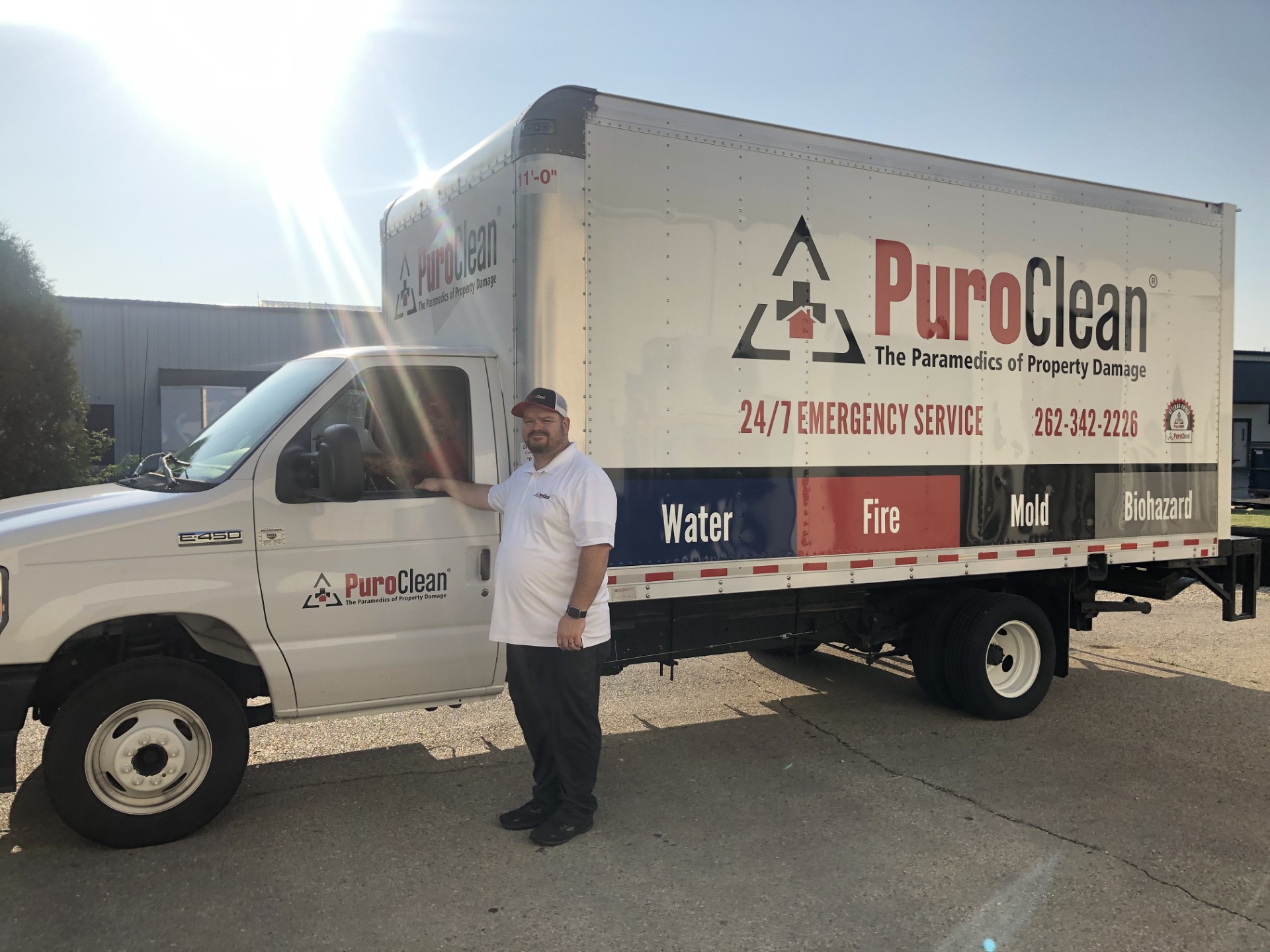
PuroClean of Burlington provides:
✓ 24/7 Emergency Response
✓ Smoke and Soot Assessment
✓ Soot Removal and Surface Cleaning
✓ Contents Cleaning and Pack-Out
✓ HVAC and Duct Treatment
✓ Thermal Fogging, Hydroxyl, and Ozone Deodorization
✓ Water Extraction from Firefighting Efforts
✓ Insurance Documentation and Coordination
We serve all Wisconsin and Illinois communities, including: Kenosha, Racine, Walworth, Milwaukee, Waukesha, Ozaukee, Washington, Rock, Dane, and Jefferson Counties, plus Lake, McHenry, Boone, and Winnebago Counties in Illinois.
Related Articles:
Related Services:
Still Smelling Smoke in Your Burlington Home?
Get Smoke Odor Removal That Treats the Source
☎️ CALL: (262) 342-2226
24/7 Response | IICRC Certified | Insurance Coordination
Serving Burlington & Surrounding Communities
Summary: Smoke Odor Removal in Burlington Works When You Treat the Source
Smoke smell lingers because soot and residue embed in materials, contents, and ductwork. Lasting smoke odor removal in Burlington follows seven steps: assess, remove loose soot, discard unsalvageable materials, clean surfaces and contents, treat the HVAC system, deodorize with the right technology, and verify the result.
If the smell keeps returning, call PuroClean of Burlington at (262) 342-2226 for smoke odor removal in Burlington that fixes the problem at its source.