24/7 Emergency Ceiling Water Damage Cleanup Venice Services in Vineland, NJ
Ceiling water damage often means moisture has traveled farther than the visible stain or drip suggests. Water can move through insulation, framing, drywall, floor assemblies, and wall cavities before it becomes visible on the ceiling below.
PuroClean of Vineland provides professional ceiling water damage cleanup in Vineland, NJ for homes affected by roof leaks, burst pipes, bathroom plumbing failures, appliance leaks, overflowing fixtures, and other sources of water intrusion.
Our restoration process can include moisture detection, water removal when necessary, evaluation of affected ceiling materials, structural drying, and ongoing moisture monitoring.
Ceiling water damage can originate from several different areas of the property. The visible stain may be directly below the source, or water may travel along framing before appearing somewhere else.
Common causes include:
Determining where the water originated is an important first step because the source must be stopped before interior drying can be completed successfully.
Ceiling water damage is not always limited to active dripping. Moisture may remain above the finished surface before obvious deterioration appears.
Possible warning signs include:
A ceiling that looks dry on the surface may still contain moisture within drywall, insulation, framing, or the floor assembly above.
If water is actively entering through a ceiling, safety comes first.
If water has spread through multiple areas of the property, PuroClean also provides flooded house cleanup in Vineland.
The cleanup process depends on the source of the water, amount of moisture present, condition of the ceiling materials, and whether water has traveled into walls or adjoining rooms.
The first step is determining whether the water originated from a roof leak, plumbing failure, bathroom, appliance, HVAC system, or another source.
The ceiling, walls, insulation, flooring above, framing, and adjoining areas may require inspection to determine how far moisture has traveled.
If the loss has created standing water in rooms below or other areas of the property, extraction may be required before structural drying begins.
PuroClean provides emergency water removal in Vineland for significant residential water losses.
Moisture detection can help identify water above ceilings, inside wall cavities, within insulation, and around structural framing.
Drywall, plaster, insulation, ceiling tiles, and other materials are evaluated based on their condition, degree of saturation, water source, and whether they can be effectively dried and restored.
Commercial air movement and dehumidification equipment may be used to address moisture remaining inside the affected structure.
Learn more about our structural drying in Vineland.
Moisture readings can be used throughout the drying process to evaluate progress and determine whether affected materials are returning to appropriate moisture conditions.
Roof leaks are a common source of ceiling water damage. Water can enter through damaged shingles, flashing, roof penetrations, skylights, chimneys, or other vulnerable areas.
Once water enters the attic, it may travel along roof sheathing, rafters, insulation, and framing before reaching the ceiling below.
The visible ceiling stain may therefore appear some distance from the actual roof leak.
PuroClean provides roof leak water damage cleanup in Vineland when roof intrusion affects attic, ceiling, wall, or other interior materials.
Plumbing lines often run above ceilings or between floors. A burst pipe, leaking supply line, damaged fitting, or slow plumbing leak can release water into concealed building cavities before the problem becomes visible.
Water may soak insulation, framing, ceiling drywall, and walls below the plumbing failure.
PuroClean also provides burst pipe water damage cleanup in Vineland and frozen pipe water damage cleanup in Vineland.
Bathrooms located above living spaces can cause ceiling water damage when toilets overflow, supply lines fail, drains leak, or water escapes from tubs and showers.
Moisture may move through subflooring and floor assemblies before becoming visible on the ceiling below.
If the source is associated with a bathroom, see our bathroom water damage cleanup in Vineland.
Water can remain concealed after the visible dripping stops.
Potential locations include:
Moisture detection helps determine whether water damage extends beyond the visible stain or damaged ceiling surface.
Stopping the leak does not automatically dry ceiling materials or surrounding structural assemblies.
Drywall, insulation, framing, and other porous materials may continue holding moisture after the source of the water has been repaired.
Controlled airflow, dehumidification, moisture detection, and monitoring can help address moisture remaining inside these materials.
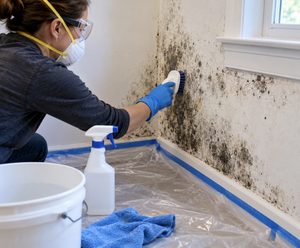
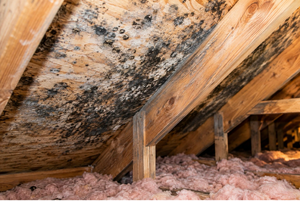
Yes. Persistent moisture from roof leaks, plumbing failures, bathrooms, or other sources can create conditions that support mold growth in drywall, insulation, wood framing, and other porous materials.
EPA and CDC guidance generally recommends drying wet materials within approximately 24 to 48 hours when possible to help reduce the likelihood of mold growth.
If visible mold, recurring staining, or musty odors are present after a water loss, PuroClean also provides mold remediation in Vineland.
A sagging ceiling can indicate that drywall, plaster, insulation, or other materials have absorbed a significant amount of water.
Heavily saturated ceiling materials may become unstable, especially when water has collected above the finished surface.
If a ceiling is visibly sagging, bulging, or actively dripping, avoid standing directly beneath the affected area and keep people away until the condition can be evaluated.
Water near electrical fixtures, recessed lighting, ceiling fans, or wiring should also be treated cautiously.
Not every water-damaged ceiling requires removal.
Whether ceiling materials can be dried and restored depends on several factors, including:
Some materials may be dried in place, while others may require selective removal so concealed moisture can be addressed.
Appliances located on upper floors can cause ceiling water damage when supply lines, drain hoses, or internal components fail.
Common sources include:
Water can move through flooring and subflooring before reaching the ceiling below.
PuroClean also provides appliance leak water damage cleanup in Vineland.
HVAC systems, condensate lines, drain pans, and ductwork can sometimes contribute to ceiling moisture.
A clogged condensate drain, leaking drain pan, or condensation problem may affect ceiling drywall, insulation, and nearby framing.
Because HVAC-related moisture may develop gradually, homeowners may first notice staining, bubbling paint, or recurring dampness rather than a sudden major leak.
Ceiling water damage can continue affecting surrounding materials after the visible leak has stopped.
Prompt cleanup can help:
A small ceiling stain may represent a larger moisture problem above the finished surface.
Coverage depends on the cause of the water loss and the terms of the individual insurance policy.
Ceiling water damage from a sudden plumbing failure, appliance leak, roof-related event, or other covered loss may be handled differently from damage associated with long-term leakage, deterioration, maintenance issues, or excluded conditions.
Homeowners should document visible damage with photographs and video when it is safe to do so and contact their insurance carrier to determine what coverage applies.
PuroClean can document affected materials, moisture conditions, drying progress, and restoration work performed during the cleanup process.
PuroClean of Vineland provides professional ceiling water damage cleanup for homes affected by roof leaks, burst pipes, bathroom plumbing failures, appliance leaks, HVAC moisture, and other water problems.
Our process focuses on both visible ceiling damage and moisture that may remain hidden in surrounding materials.
PuroClean of Vineland provides ceiling water damage cleanup, moisture detection, structural drying, and related restoration services throughout Vineland and surrounding South Jersey communities.
Whether the damage came from a roof leak, plumbing failure, bathroom, appliance, HVAC system, or another source, our team can evaluate the affected ceiling and surrounding materials and develop an appropriate cleanup and drying plan.
Ceiling water damage is often connected to other water loss conditions throughout the property. Related services include:
Brown or yellow ceiling stains are often associated with moisture from roof leaks, plumbing leaks, bathrooms, appliances, HVAC systems, or other water sources above the ceiling.
A sagging or bulging ceiling may indicate significant water saturation and unstable materials. Avoid standing beneath the affected area and have the condition evaluated promptly.
Sometimes surface moisture may evaporate, but water can remain inside drywall, insulation, framing, or the floor assembly above. Moisture detection can help determine whether professional drying is needed.
No. Whether drywall can be dried or requires removal depends on the source of the water, degree of saturation, condition of the material, duration of exposure, and whether it can be effectively restored.
Yes. Roof leaks can wet attic insulation, framing, and ceiling assemblies before the water becomes visible inside the home.
Yes. Toilet overflows, tub or shower leaks, drain failures, and supply line leaks can move through flooring and subflooring into the ceiling below.
Yes. Persistent moisture in drywall, insulation, framing, and other porous materials can create conditions that support mold growth.
Drying time depends on the amount of water, materials affected, humidity, airflow, temperature, and extent of moisture migration. More extensive losses may require several days of drying and monitoring.
Coverage depends on the cause of the damage and the terms of the policy. Homeowners should contact their insurance carrier to determine what coverage applies.
A water damage restoration company can evaluate moisture, affected materials, and drying needs. If the source is an active plumbing, roofing, appliance, or HVAC problem, the appropriate repair professional should also address the source.
If you have ceiling stains, active dripping, sagging drywall, moisture after a roof leak, or water damage from plumbing or an upper-floor fixture, PuroClean of Vineland can provide professional moisture detection, cleanup, and structural drying.
Finding the source is only part of the solution. Proper drying helps address moisture that may remain above the ceiling and inside surrounding building materials.
What Our Customers Say:
Find answers to common questions about our services
We can reach most Vineland neighborhoods fast because we’re already based here. We know Delsea Drive, Landis Avenue, and the back streets without mapping them. A burst pipe off Wheat Road at 2 a.m. is not a problem. Every hour water sits in your walls, damage gets worse. Mold can start within 48 hours, so speed really does matter.
What are the first signs of a burst pipe?
Look for water spots, sounds of running water, and decreased pressure. Swift identification can prevent extensive damage. You may also notice damp spots on walls or ceilings.
How quickly should I respond to a burst pipe?
Immediate action is critical. Shut off the main water supply and power. This helps to control the situation and reduce water damage. The sooner you react, the less severe the aftermath.
What temporary measures can stabilize the situation?
Use pipe clamps or epoxy to seal leaks. These fixes are only temporary until professionals arrive. Have these materials in your emergency kit for quick response.
Can I prevent pipes from bursting in the future?
Yes, with regular maintenance and inspections. Insulate pipes and monitor high-risk areas. Investing in preventative care is key to avoiding recurring plumbing disasters.
Staying Calm and Proactive in a Water Pipe Crisis
Facing a burst pipe can be overwhelming, but keeping calm is vital. Remember, quick action minimizes damage and expenses. By understanding the emergency response steps, you’re better prepared for any plumbing crisis.
Long-term prevention, regular maintenance, and knowing when to call professionals will safeguard your home. Embrace these habits and make sure to educate family members too. A calm and informed approach will help you navigate and overcome any water pipe crisis confidently.
PuroClean of Vineland offers a full suite of commercial restoration services, including water, fire, mold, biohazard, and storm damage recovery. We also provide emergency board-up, structural drying, and reconstruction services.
Our teams are equipped to manage both local and large-loss commercial projects with consistent quality, safety, and communication.
PuroClean of Vineland regularly collaborates with insurance carriers, TPAs, and risk management teams to manage commercial property restoration claims. We provide detailed drying logs, scope documentation, and photo/video reporting for every project in Vineland, NJ.
Our Certified Priority Response (CPR) Program ensures fast contact, on-site inspection within hours, and rapid reporting, meeting the timelines insurers and clients expect for large-scale commercial losses.
PuroClean of Vineland handles nearly every commercial loss scenario, including commercial water damage restoration, fire and smoke damage, mold remediation, sewage cleanup, chemical spills, and biohazard decontamination.
We can also manage full reconstruction when structural repair is needed. Our national network allows us to scale from localized events to large-loss recovery, maintaining consistent quality and communication across every project.
Water damage can result from unexpected leaks, flooding from storms, plumbing failures, or appliance malfunctions. Our certified teams focus on rapid water removal, drying, and stabilization to help prevent further damage and mold growth.
 Explore Our Water Damage Mitigation Services
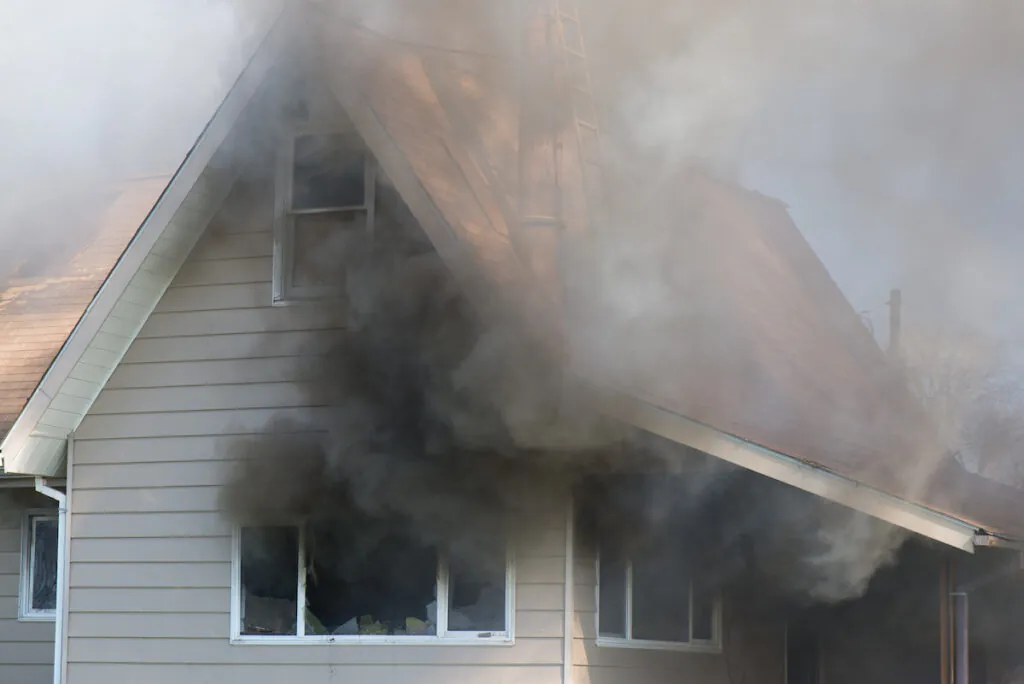
Even after a fire is extinguished, smoke, soot, and odor can continue to affect your home. Fire damage restoration services address visible damage while also helping reduce lingering effects that impact indoor air quality and surfaces.
Explore Our Fire and Smoke Damage Restoration Services
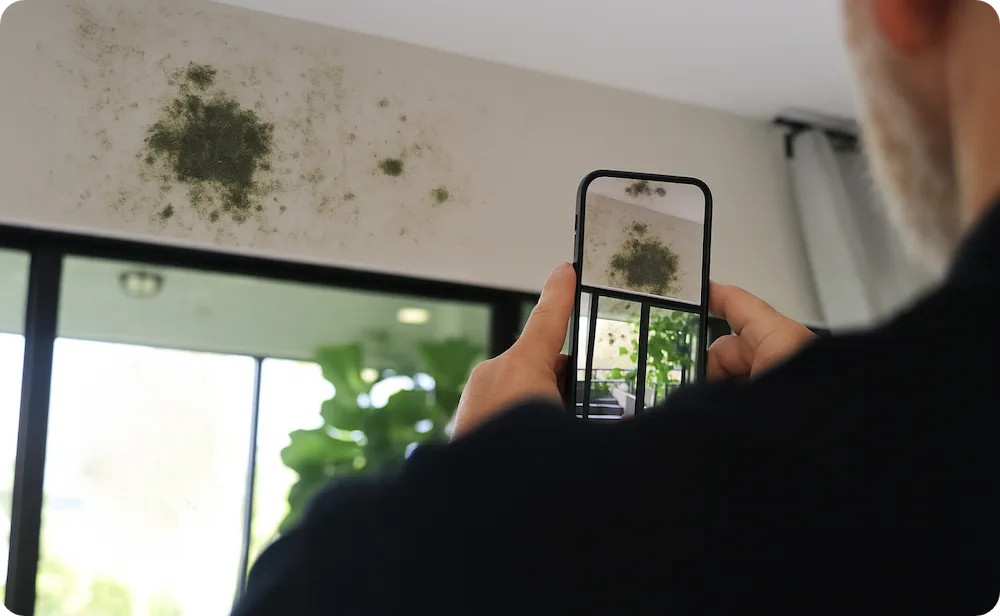
Mold often develops as a result of unresolved moisture or hidden water damage. Professional mold remediation helps identify affected areas, contain growth, and restore healthy indoor conditions.
Explore Our Mold Removal and Remediation Services
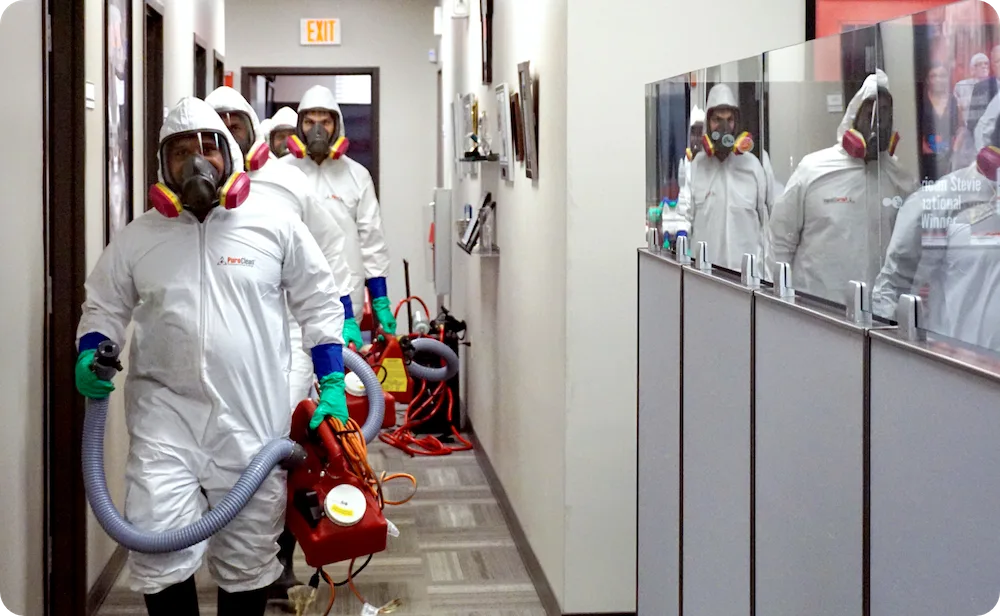
Biohazard situations, including crime scene cleanup and virus decontamination, require specialized cleaning and handling to protect health and safety. Biohazard cleanup services address contamination using proper protocols and professional care.
Explore Our Biohazard Cleanup Services
In some cases, property damage requires repairs beyond cleanup and mitigation. Reconstruction services help restore damaged areas of the home after water, fire, or other incidents, supporting a smoother transition from damage to recovery.
Explore Our Reconstruction Services Services
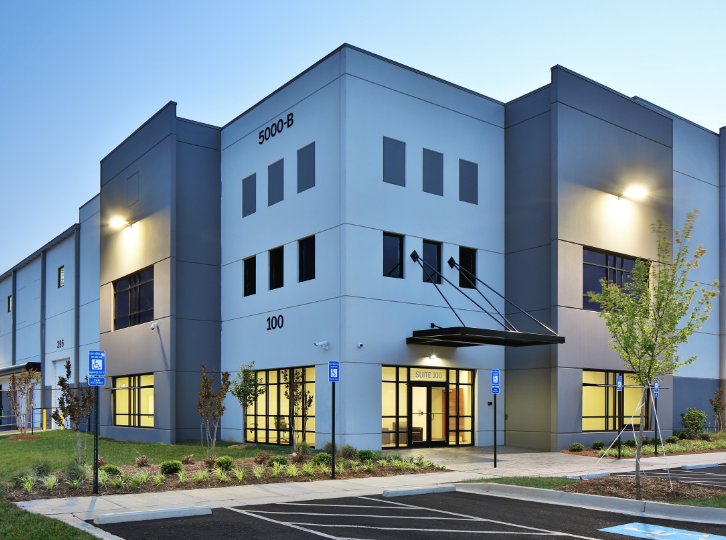
PuroClean provides 24/7 commercial property damage restoration services for businesses and facilities across the United States.
Explore Our Commercial Services
Water damage can result from unexpected leaks, flooding from storms, plumbing failures, or appliance malfunctions. Our certified teams focus on rapid water removal, drying, and stabilization to help prevent further damage and mold growth.
Explore Our Water Damage Mitigation Services


PuroClean of Vineland
(888) 598-1441
3003 N. Mill Road, Building 400, Suite 3, Vineland, NJ 08360

© 2026 PuroClean. All Rights Reserved.