24/7 Emergency Roof Leak Water Damage Cleanup Vineland Services in Vineland, NJ
A roof leak may begin with a small ceiling stain, but the damage above it can be much more extensive. Water entering through damaged shingles, flashing, or roof penetrations can soak attic insulation, travel along framing, and collect inside ceilings and walls before a homeowner notices the problem.
PuroClean of Vineland provides roof leak water damage cleanup in Vineland, NJ, helping homeowners and businesses address interior water damage caused by roof leaks, severe storms, and other sources of overhead water intrusion. Our restoration services include moisture assessment, water extraction when needed, evaluation of damaged materials, structural drying, and moisture monitoring.
Important: A roofing contractor should repair the damaged roof or stop the exterior water source. PuroClean focuses on assessing and restoring the resulting interior water damage. Both steps may be necessary to prevent further damage.
If water is dripping near electrical fixtures, a ceiling is sagging, or the structure appears unsafe, stay clear of the affected area. Call (888) 598-1441 to discuss the interior damage and available restoration options.
Roof Leak Water Damage Guide
Roof leaks can begin suddenly during severe weather or develop gradually as roofing components deteriorate. In Vineland and surrounding Cumberland County communities, heavy thunderstorms, wind-driven rain, nor’easters, and winter weather can expose existing weaknesses in roofing systems.
Common causes of roof-related water intrusion include:
Missing, cracked, or wind-damaged shingles
Damaged or deteriorated roof flashing
Openings around chimneys, vents, and skylights
Wind-driven rain entering vulnerable roof connections
Clogged gutters or roof drainage problems
Winter weather, snow accumulation, or ice-related damage
Age-related deterioration or unsuccessful previous repairs
The location of an interior stain does not necessarily identify the roof opening. Water may enter near one section of the roof, move along framing or insulation, and appear several feet away.
What should you do? Have a qualified roofer evaluate the exterior source. If interior materials have become wet, a restoration assessment can help determine whether insulation, drywall, ceilings, or other materials require attention.
Not every roof leak produces an obvious drip. Some leaks remain concealed until materials become saturated, stains expand, or an odor develops.
Watch for these warning signs:
New brown or yellow stains on ceilings
Peeling, bubbling, or cracked ceiling paint
Soft, swollen, or sagging drywall
Damp attic insulation or staining on roof sheathing
Moisture around chimneys, vents, or skylights
Recurring stains after heavy rainfall
Musty odors near ceilings, upper walls, or attic access points
A small ceiling stain does not always mean a small water loss. Wet insulation or framing above the stain may hold moisture long after the visible dripping stops.
If the damage appears near a ceiling light or the drywall is sagging, avoid the area until the electrical and structural risks have been assessed.
For additional information, visit our ceiling water damage cleanup services in Vineland.
If rainwater is entering your home, your first priority should be safety. Once conditions permit, preventing additional water entry and documenting the damage can help with restoration and insurance reporting.
1. Check for electrical and structural hazards. Stay away from water near ceiling fixtures, outlets, exposed wiring, or sagging drywall. Contact an appropriate professional when electrical or structural safety is uncertain.
2. Have the roof leak addressed safely. Contact a qualified roofing contractor to inspect and repair the source. Do not climb onto a wet or damaged roof or enter an unsafe attic.
3. Protect unaffected belongings. When safe, move portable furniture, electronics, and other dry items away from the leaking area. Avoid standing beneath damaged ceiling materials.
4. Photograph the damage. Document ceiling stains, dripping water, damaged materials, and affected belongings. Keep a record of when the leak was first noticed.
5. Arrange an interior moisture assessment. Water may remain inside insulation, ceilings, walls, or flooring even after the roofing issue is corrected.
6. Notify your insurance company when appropriate. Ask about coverage requirements, documentation, and any emergency mitigation responsibilities under your policy.
A roof repair does not automatically dry the building. Stopping the source prevents additional water entry, but materials already saturated may still require professional evaluation and drying.
Roof leak cleanup depends on the amount of water involved, how long the leak was active, and which building materials became wet. The appropriate response to a small ceiling leak may differ from the work required after water has traveled through several rooms.
We assess visible signs of water intrusion and identify areas where moisture may have traveled. Depending on access and conditions, this can include attic insulation, ceiling assemblies, interior walls, cabinetry, flooring, and adjoining rooms.
The roofing defect or exterior opening should be addressed by a qualified roofing professional. Interior drying cannot be completed reliably if additional water continues entering the structure.
If a roof leak has released enough water to accumulate inside occupied rooms, professional extraction may be needed before drying begins.
Learn about our emergency water removal services in Vineland.
Moisture measurements and appropriate inspection methods can help identify wet materials beyond the visible stain or drip. This is particularly important where water has traveled along framing or into enclosed cavities.
Drywall, insulation, ceiling materials, flooring, and other affected components are evaluated based on their condition, moisture exposure, and whether effective drying is possible. Materials that are deteriorated or cannot be appropriately restored may require removal.
When appropriate, commercial drying equipment is used to manage moisture remaining inside affected building materials. Air movement, dehumidification, and other methods are selected according to the structure and extent of damage.
Moisture measurements help determine whether affected materials are drying as expected. Additional cleaning, material replacement, or repairs may be needed after mitigation is complete.
For more detail, visit our structural drying services in Vineland.
Roof leak causing interior water damage?
Call PuroClean of Vineland to discuss moisture assessment, cleanup, and structural drying after the source has been addressed.
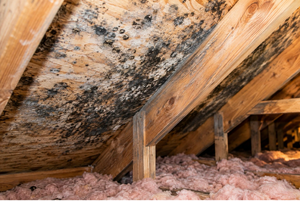
The attic is often the first interior space affected when rainwater enters through the roofing system. Water may contact roof sheathing, rafters, trusses, insulation, and the ceiling assemblies below.
Because many attics are not inspected regularly, roof leaks can continue unnoticed until staining becomes visible in a finished room.
Wet insulation can retain moisture against framing or ceiling materials. Depending on its type, condition, and amount of saturation, insulation may require drying or replacement.
Do not enter an attic if the access, framing, electrical systems, or other conditions are unsafe. A qualified professional can assess whether inspection and restoration are appropriate.
When repeated leaks or persistent moisture have contributed to visible mold, our attic mold cleanup services in Vineland provide additional information about remediation.
Water entering through the roof may pass through attic insulation before reaching finished ceilings. From there, it may move into adjoining walls, trim, and other materials.
Ceiling water damage can appear as discoloration, bubbling paint, damp drywall, or a soft area that gradually expands. More severe saturation may cause drywall to sag or deteriorate.
Water near ceiling lights, fans, and other electrical fixtures requires particular caution. If the ceiling is sagging or leaking around a fixture, stay clear and arrange an appropriate safety assessment.
Visit our ceiling water damage cleanup page for information about evaluating and restoring affected ceiling materials.
Water rarely follows a perfectly straight path through a building. It can spread along framing, collect inside insulation, and appear in rooms that are not directly beneath the damaged section of roofing.
Hidden moisture may remain in these areas:
Attic insulation and roof sheathing
Rafters, trusses, and other roof framing
Ceiling cavities above finished rooms
Wall cavities and insulation
Drywall, trim, and baseboards
Areas around windows and exterior walls
Cabinetry and enclosed storage areas
Flooring and subfloor assemblies
This is why drying only the visible stain or wet surface may leave unresolved moisture elsewhere in the structure. A moisture assessment helps determine which materials need further attention.
Vineland and surrounding South Jersey communities can experience heavy thunderstorms, strong winds, nor’easters, and remnants of tropical weather systems. Wind-driven rain can enter through roofing defects that may not produce leaks during ordinary rainfall.
After a severe storm, inspect safe, accessible interior areas for new ceiling stains, wet attic insulation, dripping water, and changes in wall or ceiling materials. Avoid climbing onto the roof or entering unstable spaces.
If high winds or heavy rain have caused multiple forms of property damage, our storm damage restoration services in Vineland address related interior water intrusion, basement flooding, moisture assessment, and structural drying.
Water entering through a roof is not the same as outdoor floodwater entering at ground level. The source matters because contamination, cleanup procedures, and insurance coverage may differ.
When heavy rainfall causes surface water to flow into a home through exterior doors, basement openings, or other ground-level entry points, more extensive flood cleanup may be necessary.
Learn more about our flood damage cleanup services in Vineland, NJ, including contaminated floodwater precautions, affected material evaluation, and structural drying after flooding.
For widespread residential water damage affecting several rooms, see our flooded house cleanup services.
Yes. Roof leaks can leave moisture inside attic insulation, roof sheathing, framing, ceiling assemblies, and drywall. When these materials remain damp, conditions may become favorable to mold growth.
The U.S. Environmental Protection Agency recommends drying water-damaged areas and materials within approximately 24 to 48 hours when possible to help reduce the likelihood of mold growth. This is general prevention guidance, not a guarantee that mold will or will not develop within a particular timeframe.
Repeated roof leaks deserve special attention because materials may become wet again before drying completely. If staining, musty odors, or visible mold persist, further inspection may be appropriate.
For mold-related concerns, learn about mold remediation services and attic mold cleanup in Vineland.
Coverage depends on why the roof leaked and the terms of your policy. Water intrusion following sudden damage from a covered wind event may be treated differently from damage caused by long-term deterioration, poor maintenance, repeated leakage, or other excluded conditions.
Repairing or replacing the roofing material itself and restoring water-damaged interior materials may also be subject to different policy provisions.
If your home has experienced a roof leak, contact your insurance carrier to determine what coverage applies. Do not assume that every storm-related roof leak is automatically covered.
The date and approximate time the leak or damage was discovered
Photographs of ceiling stains, wet materials, and affected rooms
Any known roof damage or water-entry points that can be documented safely
Steps taken to prevent additional damage
Roofing contractor invoices and repair documentation
Available moisture measurements and restoration records
Photograph the damage when safe, but do not delay necessary emergency mitigation solely to collect documentation. PuroClean can document the restoration work performed; coverage decisions are determined by the insurance carrier under the applicable policy.
When a roof leak damages the interior of your home, finding and fixing the exterior source is only part of the solution. Wet materials may require extraction, moisture assessment, drying, or removal before the affected rooms can be restored.
PuroClean of Vineland focuses on identifying and addressing interior water damage, including:
Moisture inspection and assessment
Water extraction when standing water is present
Evaluation of ceilings, walls, insulation, and other affected materials
Structural drying and moisture monitoring
Cleaning and restoration procedures appropriate to the damage
Documentation of affected areas and restoration work
We serve properties in Vineland and surrounding South Jersey communities, subject to service availability and the scope of the loss.
Contact a qualified roofing professional to address the roof or exterior opening causing the leak. If water has entered your ceiling, attic, walls, or flooring, a water damage restoration company can assess and dry the affected interior materials. For immediate electrical or structural hazards, contact the appropriate emergency or qualified professional first.
Yes. Water may travel through insulation, framing, and ceiling cavities before becoming visible. A small ceiling stain may be the first noticeable sign of a larger moisture problem.
Yes. Water can follow structural framing or enter wall cavities, allowing moisture to reach areas that are not directly beneath the roof opening.
No. Repairing the roof stops the source of new water intrusion, but insulation, drywall, ceilings, or framing may still retain moisture and require further evaluation.
Drying time depends on the amount of water, materials affected, length of exposure, humidity, temperature, and extent of moisture migration. Some projects require several days of drying and monitoring, while more extensive losses may involve additional material removal or repairs.
Not always. The appropriate decision depends on the insulation type, amount of saturation, material condition, water source, and whether the insulation can be effectively dried. Some materials may require removal.
Sometimes. It depends on how wet the drywall became, whether it has deteriorated or is sagging, how long the material remained wet, and whether the surrounding assembly can be safely and effectively dried.
Yes. Prolonged or recurring moisture in sheathing, insulation, framing, and other materials can create conditions favorable to mold growth. Correcting the leak and addressing remaining moisture are important preventive steps.
Coverage depends on the cause of the roof leak and the individual policy. Sudden storm damage may be treated differently from long-term deterioration or deferred maintenance. Contact your insurer to determine what applies to your specific loss.
A qualified roofing contractor should address the roof itself. PuroClean of Vineland provides interior water damage cleanup, moisture assessment, and structural drying after roof leaks, within the scope of its restoration services.
A leaking roof may leave moisture in attic insulation, ceilings, drywall, walls, and flooring long after the visible dripping has stopped. Repairing the roof is important, but understanding and addressing the resulting interior damage is just as necessary.
PuroClean of Vineland provides professional roof leak water damage cleanup, moisture assessment, water extraction when needed, and structural drying for affected homes and businesses in Vineland, New Jersey.
Call (888) 598-1441 to discuss your situation and available restoration options.
What Our Customers Say:
Find answers to common questions about our services
You can check the walls and ceilings for water stains, the floors for warping and buckling, and the pipes for corrosion, leaks, missing grout, and mold. Attics and basements may have damaged flooring, mildew or mold, dampness, and odors. Also, be sure to inspect the exterior of the home for cracked roof tiles, puddles, standing water, and whether the ground is sloping away from the house.
First, if safe, shut off the utilities in your home to avoid further damage. Don’t enter your home if it has suffered structural damage. Don’t walk through floodwater if electricity hasn’t been turned off, and avoid contaminants. Next, contact a water-damage restoration company, such as PuroClean of Vineland, as soon as possible. Don’t wait, as water can cause mold and irremediable damage to the wood, walls, and carpet. Then, depending on the extent of the damage and the recommendation of the remediation company, contact your insurance provider to start the claim process.
There are many variables that determine whether a flooded property can be saved: the amount of water, and even more important, the amount of time the water was in/around the property. Every situation is different, and PuroClean of Vineland expert restoration professionals can determine what can be salved once one site.
Property water damage can pose several dangers including structural instability, electrical hazards, mold and mildew growth leading to health issues, contamination from sewage or chemicals, and potential collapse of weakened structures.
Water flooding can cause extensive damage including structural damage to walls, floors, and foundations, damage to personal belongings, electrical hazards, and potential health risks from mold and bacteria growth. The longer water sits, the more severe the damage becomes.
Water damage can result from unexpected leaks, flooding from storms, plumbing failures, or appliance malfunctions. Our certified teams focus on rapid water removal, drying, and stabilization to help prevent further damage and mold growth.
 Explore Our Water Damage Mitigation Services
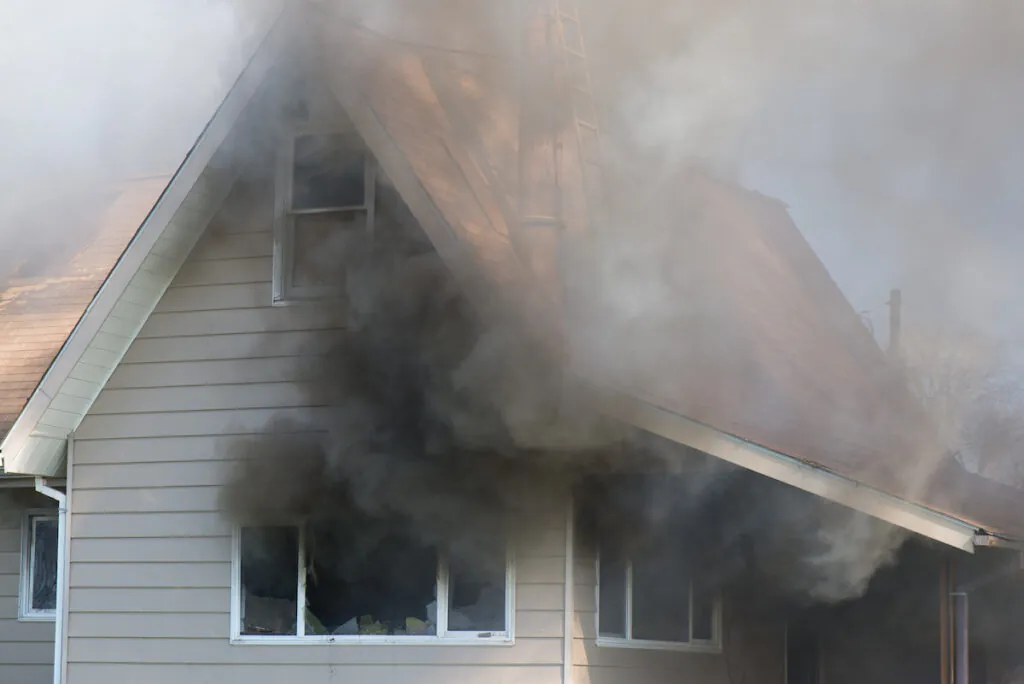
Even after a fire is extinguished, smoke, soot, and odor can continue to affect your home. Fire damage restoration services address visible damage while also helping reduce lingering effects that impact indoor air quality and surfaces.
Explore Our Fire and Smoke Damage Restoration Services
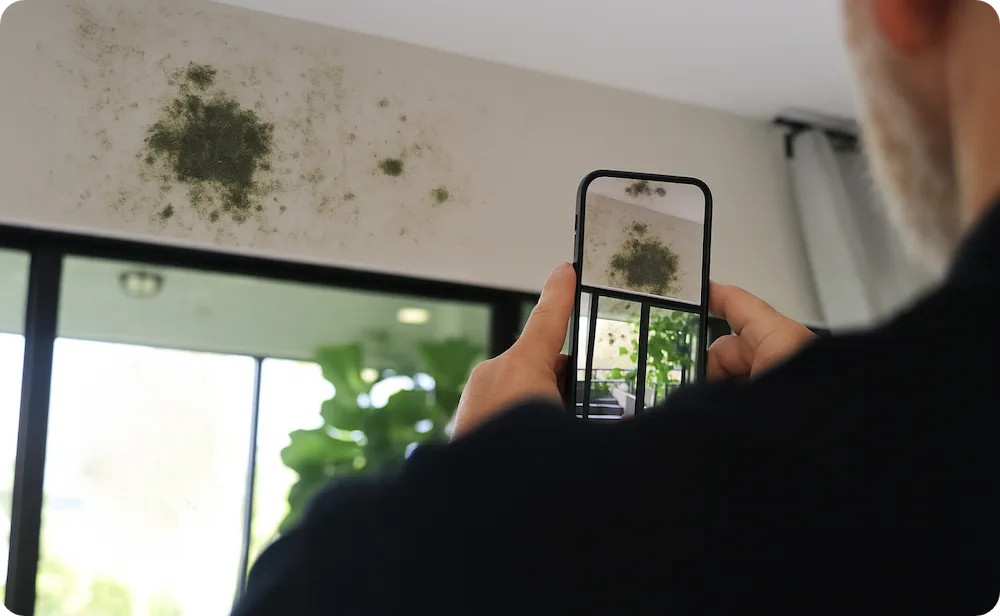
Mold often develops as a result of unresolved moisture or hidden water damage. Professional mold remediation helps identify affected areas, contain growth, and restore healthy indoor conditions.
Explore Our Mold Removal and Remediation Services
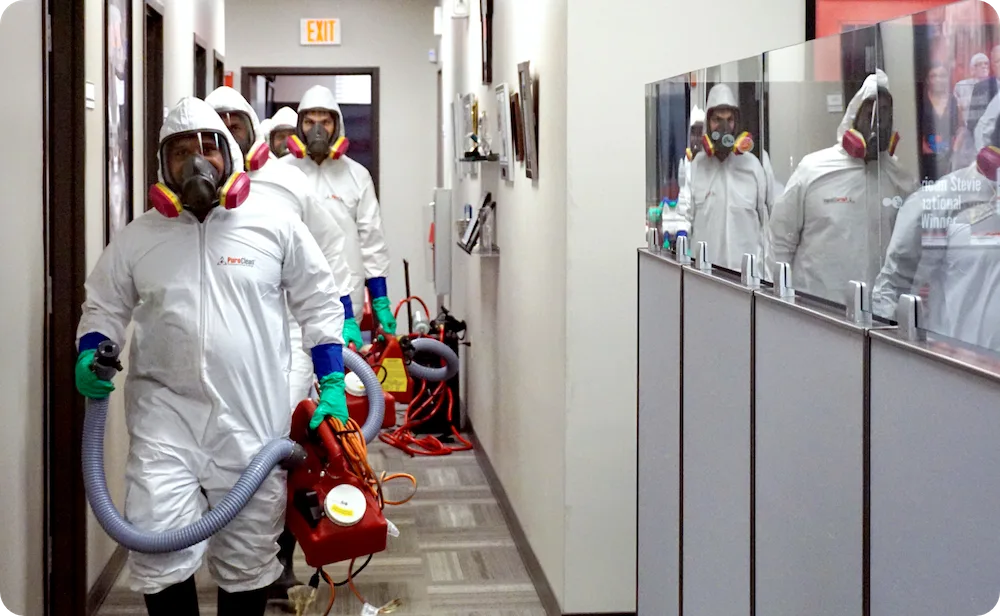
Biohazard situations, including crime scene cleanup and virus decontamination, require specialized cleaning and handling to protect health and safety. Biohazard cleanup services address contamination using proper protocols and professional care.
Explore Our Biohazard Cleanup Services
In some cases, property damage requires repairs beyond cleanup and mitigation. Reconstruction services help restore damaged areas of the home after water, fire, or other incidents, supporting a smoother transition from damage to recovery.
Explore Our Reconstruction Services Services
PuroClean provides 24/7 commercial property damage restoration services for businesses and facilities across the United States.
Explore Our Commercial Services
Water damage can result from unexpected leaks, flooding from storms, plumbing failures, or appliance malfunctions. Our certified teams focus on rapid water removal, drying, and stabilization to help prevent further damage and mold growth.
Explore Our Water Damage Mitigation Services


PuroClean of Vineland
(888) 598-1441
3003 N. Mill Road, Building 400, Suite 3, Vineland, NJ 08360

© 2026 PuroClean. All Rights Reserved.