24/7 Emergency Attic Mold Cleanup Vineland Services in Vineland, NJ
Attic mold is usually a moisture problem before it becomes a mold problem. Roof leaks, condensation, high humidity, inadequate ventilation, and moisture moving from the living space into the attic can create damp conditions on roof sheathing, rafters, insulation, and other building materials.
PuroClean of Vineland provides professional attic mold cleanup in Vineland, NJ for homes affected by visible mold, musty odors, roof leaks, condensation, and recurring attic moisture. Our remediation process can include moisture inspection, containment, HEPA air filtration, removal or cleaning of affected materials as appropriate, structural drying, and moisture monitoring.
Mold needs moisture to grow. In attics, that moisture can come from both exterior water intrusion and moisture generated inside the home.
Common causes include:
Cleaning visible mold without correcting the moisture source may allow the problem to return. Successful attic mold remediation begins by determining why the attic became damp.
Attic mold may develop for some time before homeowners notice a problem because attics are not normally occupied or inspected every day.
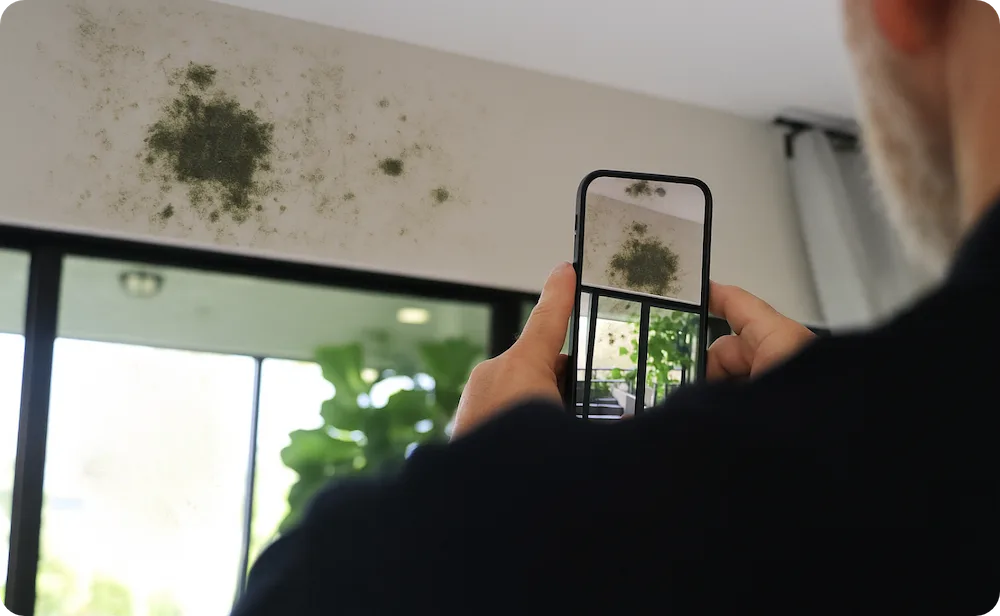
Possible warning signs include:
Not every stain in an attic is mold, but visible growth, recurring moisture, or persistent musty odors are reasons to investigate the source.
Yes. Roof leaks can allow water to enter beneath roofing materials and soak roof decking, rafters, insulation, ceiling assemblies, and other attic materials.
Even after the roof itself has been repaired, affected materials may remain damp if the water was not discovered quickly or if moisture became trapped inside insulation or structural assemblies.
PuroClean also provides roof leak water damage cleanup in Vineland for moisture affecting attics, ceilings, walls, insulation, and other areas of the property.
Not all attic moisture comes from a roof leak. Warm, moisture-laden air from the living space can move into a colder attic and condense on roof sheathing, nails, rafters, and other surfaces.
Potential contributors include:
Repeated condensation can create persistent dampness even when the roof itself is not leaking.
Visible mold may be only one indication of the moisture problem. Water can travel into attic assemblies and remain concealed within materials.
Moisture may remain:
Moisture inspection helps determine whether the attic problem is isolated to visible mold or connected to a larger water or humidity issue.
Attic mold cleanup involves more than wiping discoloration from roof sheathing or framing. The underlying moisture source must also be identified and addressed.
A professional remediation process focuses on:
Without correcting the moisture source, attic mold may return even after visible growth has been removed.
Every attic is different. The remediation plan depends on the source of the moisture, extent of visible mold, materials affected, attic accessibility, and whether moisture extends into concealed areas.
The process begins with an evaluation of visible mold, roof sheathing, rafters, insulation, ventilation conditions, roof penetrations, and potential moisture sources.
The moisture may come from a roof leak, condensation, plumbing problem, ventilation issue, or another source. Determining the cause is essential before remediation is considered complete.
Moisture detection can help identify damp roof sheathing, framing, insulation, and other attic materials that may not appear visibly wet.
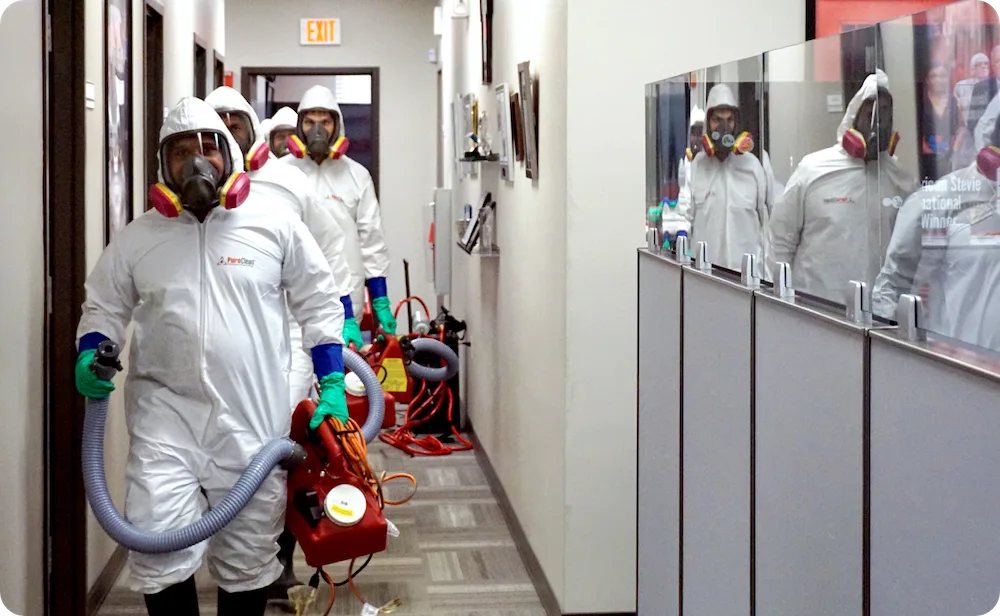
Containment may be used to isolate the work area and help reduce the movement of airborne particles into unaffected portions of the property during remediation.
HEPA air filtration equipment may be used during remediation to capture airborne particles generated during the cleanup process.
Depending on the conditions present, insulation or other porous materials that are heavily affected or cannot be appropriately restored may require removal.
Roof sheathing, rafters, framing, and other remaining surfaces are cleaned using methods appropriate for the affected materials and extent of contamination.
If attic materials remain damp, controlled drying may be required before remediation is complete.
PuroClean also provides structural drying in Vineland for water-damaged building materials.
Moisture readings can help confirm that affected materials are progressing toward appropriate moisture conditions before restoration work is completed.
Attic mold can affect several different materials depending on where moisture originated and how long damp conditions remained.
The appropriate remediation approach depends on the material, extent of growth, moisture conditions, and whether the material can be effectively cleaned and dried.
Attics are connected to the rest of the home through air leakage pathways, ceiling penetrations, attic access points, HVAC components, and other openings.
Because every home’s airflow is different, the extent to which attic conditions affect occupied areas depends on the construction and ventilation of the property.
Regardless, visible attic mold usually indicates an underlying moisture problem that should be evaluated rather than ignored.
Preventing attic mold starts with controlling the moisture conditions that allow it to grow. Because attic moisture can come from roof leaks, condensation, ventilation problems, or air leakage from the home below, prevention should focus on identifying and correcting the underlying source.
Homeowners can consider:
If attic mold repeatedly returns after cleaning, the moisture source may still be present and should be evaluated before additional remediation work is performed.
Roof leaks and attic condensation can create similar symptoms, but they originate from different moisture sources.
Roof leaks often create localized staining or wet areas near damaged shingles, flashing, vents, chimneys, valleys, or other roof penetrations. Moisture may be most noticeable after rain or severe weather.
Water may travel along rafters or roof decking before dripping into insulation or the ceiling below, so the visible stain is not always directly beneath the point where water entered.
If roof water has affected attic materials, learn more about our roof leak water damage cleanup in Vineland.
Condensation can develop when warm, humid air from the living area reaches colder attic surfaces. Moisture may appear across broader sections of roof sheathing, around roofing nails, or in areas affected by inadequate ventilation or air leakage.
Bathroom exhaust ducts terminating in the attic, gaps around ceiling penetrations, high indoor humidity, and ventilation problems can all contribute to recurring condensation.
Identifying whether moisture comes from an exterior leak, interior humidity, or another source helps determine what repairs or moisture-control measures are needed.
Professional remediation may be appropriate when mold is widespread, repeatedly returns, affects structural materials, is associated with a significant water loss, or extends into areas that are difficult to access or evaluate safely.
Professional evaluation is especially useful when:
The appropriate remediation plan depends on the size of the affected area, materials involved, attic access, source of the moisture, and overall condition of the structure.
Roof water damage and attic mold often overlap. A leaking roof may wet sheathing, framing, insulation, and ceiling materials before homeowners notice water inside the living space.
Repairing the roof stops new water intrusion, but affected attic materials may still require drying and evaluation.
Professional structural drying in Vineland can help address moisture remaining in building materials after the source of the water has been corrected.
Coverage depends on the cause of the mold and the terms of the individual insurance policy.
Mold associated with a covered sudden water loss may be handled differently from mold caused by long-term roof deterioration, recurring condensation, humidity, maintenance issues, or other excluded conditions.
Homeowners should document visible damage with photographs and video when conditions are safe and contact their insurance carrier to determine what coverage applies.
PuroClean can document moisture conditions, affected materials, remediation work, and drying progress during the restoration process.
PuroClean of Vineland provides professional attic mold cleanup for homes affected by roof leaks, condensation, ventilation problems, plumbing leaks, and other moisture conditions.
Our process focuses on both visible mold and the moisture problem contributing to it.
PuroClean of Vineland provides attic mold cleanup, moisture detection, structural drying, and related restoration services throughout Vineland and surrounding South Jersey communities.
Whether attic mold developed after a roof leak, condensation, ventilation problem, plumbing leak, or another moisture issue, our team can evaluate the affected materials and develop an appropriate remediation plan.
Attic mold frequently develops after water intrusion or persistent moisture. Related services include:
Common causes include roof leaks, condensation, high humidity, inadequate ventilation, bathroom exhaust entering the attic, plumbing leaks, and moisture moving from the living space into the attic.
Yes. A roof leak can wet roof sheathing, rafters, insulation, and other attic materials. If those materials remain damp, mold may develop.
Yes. Condensation and high humidity can create attic moisture even when the roof is not leaking. Ventilation problems and air leakage from the living space can also contribute.
Professional remediation may be appropriate when mold is widespread, repeatedly returns, affects structural materials, is associated with significant moisture, or extends into difficult-to-access areas.
Attics connect to occupied areas through ceiling penetrations, attic access points, air leakage pathways, and sometimes HVAC components. The extent of air movement varies by property, but attic mold should still be evaluated because it indicates an underlying moisture problem.
No. Whether insulation requires removal depends on the extent of moisture or contamination, type of insulation, condition of the material, and whether it can be effectively restored.
In some situations, affected wood sheathing and framing can be cleaned rather than replaced. The appropriate method depends on the condition of the material and extent of contamination.
Mold can return if the underlying moisture source remains. Correcting roof leaks, condensation, ventilation problems, humidity, or other moisture sources is an important part of reducing recurrence.
Coverage depends on the cause of the moisture and the terms of the policy. Mold related to a covered sudden water loss may be handled differently from long-term leaks, condensation, humidity, or maintenance-related conditions.
Attic mold cleanup may refer primarily to cleaning affected surfaces. Mold remediation is broader and may include moisture investigation, containment, air filtration, removal of affected materials, detailed cleaning, structural drying, and measures to address the underlying moisture source.
If you have visible attic mold, musty odors, condensation, moisture staining, or mold after a roof leak, PuroClean of Vineland can provide professional attic mold cleanup, moisture detection, structural drying, and remediation.
Addressing both the mold and the moisture source is an important part of restoring the attic and reducing the likelihood of recurring problems.
What Our Customers Say:
Find answers to common questions about our services
Mold returning after DIY remediation is likely if the underlying moisture problem is not. Professional remediation includes moisture control measures and post-remediation verification to reduce this risk significantly.
A small, contained project may take only a few days, while large-scale contamination can take weeks. The timeline depends on the extent of damage, materials affected, and whether reconstruction is required.
Mold remediation may require partial relocation or temporary closure of affected areas. Containment zones and HEPA air scrubbers minimize disruption, and many properties remain partially usable during the process
Professional technicians at PuroClean of Vineland use tools such as moisture meters, infrared cameras, and air sampling to detect moisture where mold colonies may be found. Identifying hidden mold is critical, as untreated areas can continue to spread contamination.
Early indicators include musty odors, visible patches of discoloration on walls or ceilings, and unexplained allergy-like symptoms among occupants. Mold may also hide behind wallpaper, under flooring, or inside HVAC systems
Water damage can result from unexpected leaks, flooding from storms, plumbing failures, or appliance malfunctions. Our certified teams focus on rapid water removal, drying, and stabilization to help prevent further damage and mold growth.
 Explore Our Water Damage Mitigation Services
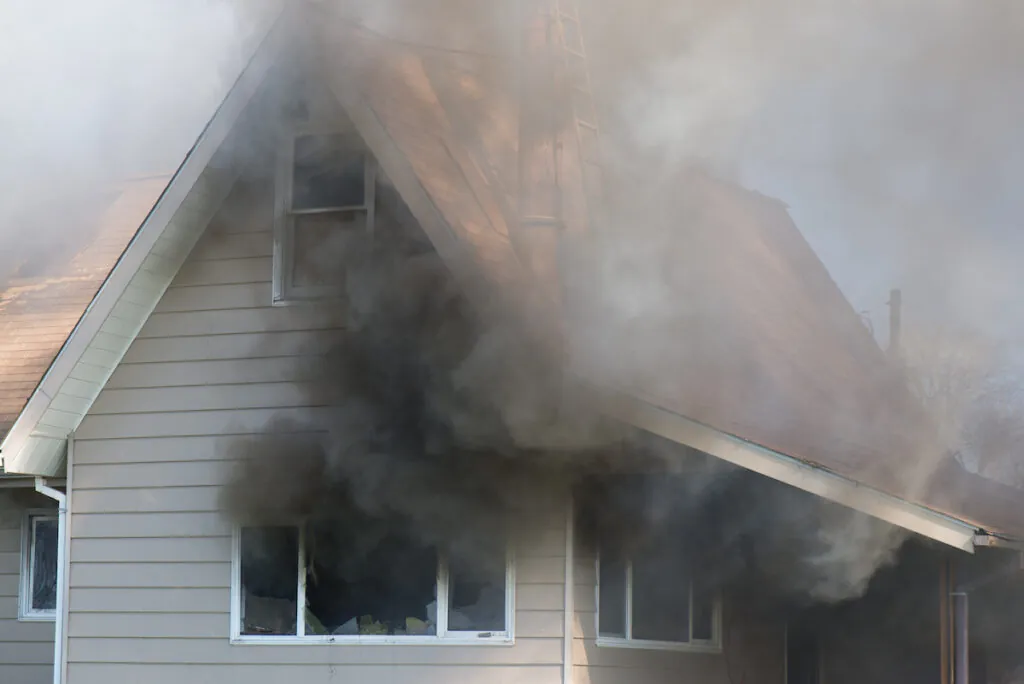
Even after a fire is extinguished, smoke, soot, and odor can continue to affect your home. Fire damage restoration services address visible damage while also helping reduce lingering effects that impact indoor air quality and surfaces.
Explore Our Fire and Smoke Damage Restoration Services
Mold often develops as a result of unresolved moisture or hidden water damage. Professional mold remediation helps identify affected areas, contain growth, and restore healthy indoor conditions.
Explore Our Mold Removal and Remediation Services
Biohazard situations, including crime scene cleanup and virus decontamination, require specialized cleaning and handling to protect health and safety. Biohazard cleanup services address contamination using proper protocols and professional care.
Explore Our Biohazard Cleanup Services
In some cases, property damage requires repairs beyond cleanup and mitigation. Reconstruction services help restore damaged areas of the home after water, fire, or other incidents, supporting a smoother transition from damage to recovery.
Explore Our Reconstruction Services Services
PuroClean provides 24/7 commercial property damage restoration services for businesses and facilities across the United States.
Explore Our Commercial Services
Water damage can result from unexpected leaks, flooding from storms, plumbing failures, or appliance malfunctions. Our certified teams focus on rapid water removal, drying, and stabilization to help prevent further damage and mold growth.
Explore Our Water Damage Mitigation Services


PuroClean of Vineland
(888) 598-1441
3003 N. Mill Road, Building 400, Suite 3, Vineland, NJ 08360

© 2026 PuroClean. All Rights Reserved.