24/7 Emergency Basement Mold Remediation Vineland Services in Vineland, NJ
Successful basement mold remediation starts by identifying and correcting the moisture problem that allowed mold to develop. Basement flooding, sump pump failures, burst pipes, foundation seepage, plumbing leaks, and persistent humidity can leave drywall, insulation, flooring, framing, and stored belongings damp long enough for mold problems to develop.
PuroClean of Vineland provides professional basement mold remediation in Vineland, NJ for finished and unfinished basements affected by visible mold, musty odors, previous flooding, hidden moisture, and recurring dampness. Our restoration process can include moisture inspection, containment, HEPA air filtration, removal of affected materials when necessary, detailed cleaning, structural drying, and moisture monitoring.
Basements can be more vulnerable to moisture than other areas of a home because they are below grade, surrounded by soil, and may have limited airflow. Plumbing systems, cooler surfaces, groundwater, drainage problems, and seasonal humidity can all contribute to damp conditions.
Mold spores are naturally present in indoor and outdoor environments. The problem develops when moisture remains available on building materials long enough to support growth.
Basement materials that may retain moisture include:
Cleaning visible mold without addressing the moisture source may allow the problem to return. That is why basement mold remediation should begin with identifying where the moisture is coming from.
Basement mold problems are often connected to an existing or previous water-loss event.
Common causes include:
Standing water from storms, groundwater, plumbing failures, appliance leaks, or sump pump problems can saturate drywall, insulation, flooring, framing, and stored contents.
If those materials are not dried thoroughly, moisture may remain after the basement appears dry.
Learn more about our basement flood cleanup in Vineland.
During heavy rain or periods of saturated soil, a failed sump pump can allow groundwater to spread through finished and unfinished basement areas.
Water may remain beneath flooring, inside drywall, behind finished walls, and around framing after the sump pump itself has been repaired.
See our sump pump failure cleanup in Vineland service for water extraction and drying after a pump failure.
Broken plumbing lines may release water inside walls or ceilings before the damage becomes visible. Frozen pipes can also crack during cold weather and begin leaking after temperatures rise or normal water pressure returns.
Hidden moisture can remain inside drywall, insulation, framing, and flooring long after the plumbing repair has been completed.
PuroClean also provides burst pipe water damage cleanup in Vineland and frozen pipe water damage cleanup in Vineland.
Moisture may enter through foundation cracks, masonry walls, wall-floor joints, window wells, or other vulnerable areas. Repeated seepage may create damp conditions even when there has not been a major flood.
Basements may remain humid because of limited ventilation, cool surfaces, groundwater conditions, or seasonal weather. Condensation can form on pipes, walls, windows, HVAC components, and other surfaces when humidity remains elevated.
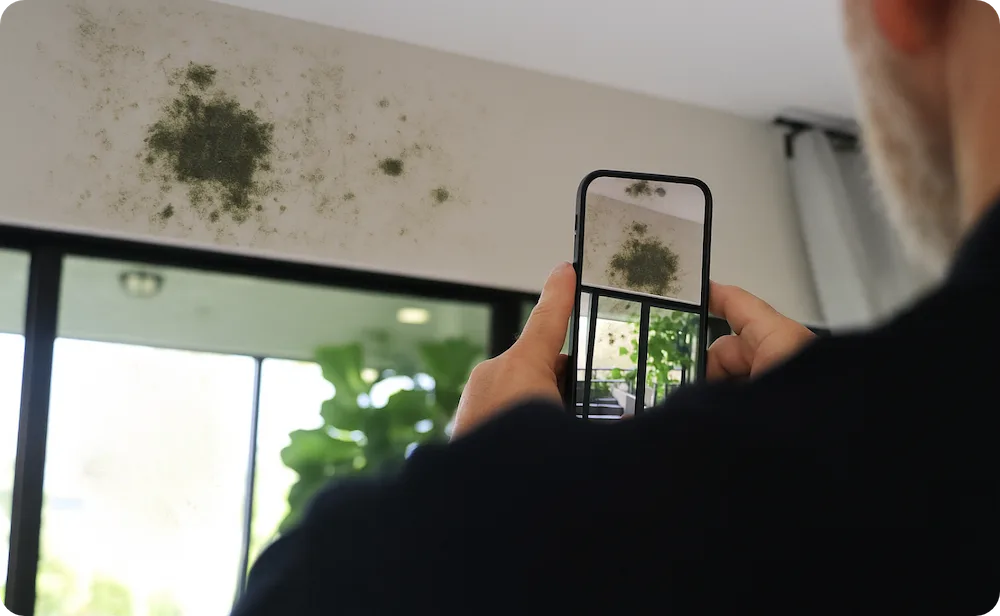
Visible mold is only one sign of a possible moisture problem. Mold may also develop behind finished walls, beneath flooring, inside insulation, or in other concealed areas.
Common warning signs include:
If these conditions continue returning, the underlying moisture source may not have been fully corrected.
Basement mold is not always visible from the finished surface. Water and moisture can move into concealed building materials before obvious staining or mold appears.
Potential hidden areas include:
Moisture detection helps identify areas where water may remain concealed and where additional inspection may be appropriate.
Basement mold remediation involves more than wiping visible discoloration from a surface. Moisture may remain inside drywall, insulation, framing, flooring systems, and other materials after the original water source is gone.
A professional remediation process focuses on three primary objectives:
Without addressing the underlying moisture problem, mold may return even after visible surfaces have been cleaned.
Every basement mold problem is different. The remediation plan depends on the source of the moisture, amount of affected material, location of the mold, building materials involved, and whether contamination extends into concealed areas.
The process begins with an inspection of visible mold, moisture conditions, and potential water sources. Flooring, walls, ceilings, insulation, framing, and adjacent areas may require evaluation.
Successful remediation requires determining why the basement became damp. The source may involve flooding, a sump pump failure, plumbing leak, foundation seepage, high humidity, or another water problem.
Moisture meters and other inspection methods can help identify water inside drywall, beneath flooring, around plumbing, and within other concealed materials.
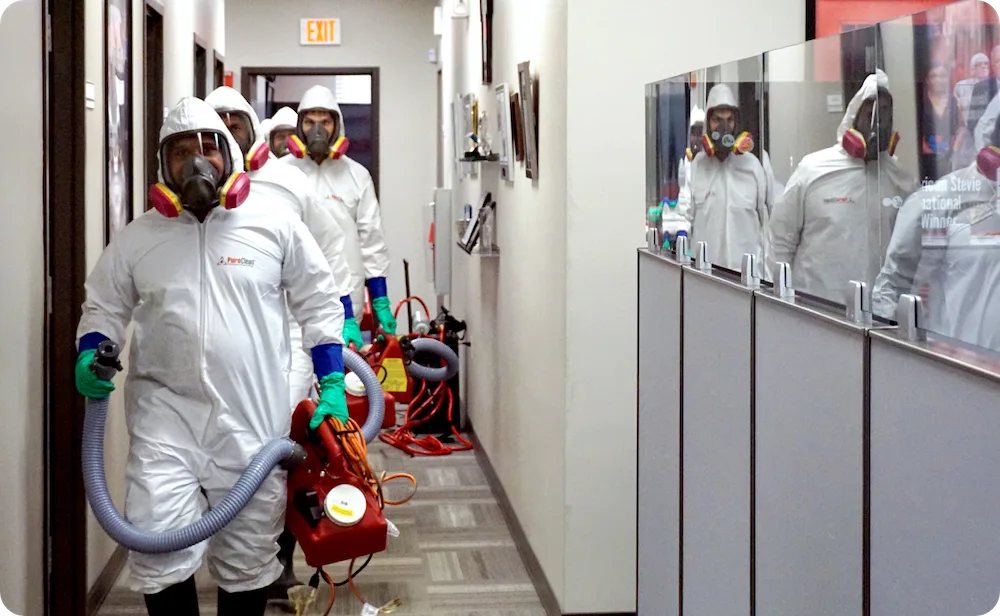
Containment may be used to isolate the affected work area and reduce the movement of airborne particles into unaffected portions of the property during remediation.
HEPA air filtration equipment may be used during remediation to capture airborne particles generated during the cleanup process.
Depending on the extent and condition of the affected materials, drywall, insulation, carpeting, ceiling materials, or other porous materials may require removal.
Remaining surfaces are cleaned using methods appropriate for the affected materials and conditions present.
Correcting the mold problem also requires addressing remaining moisture. Commercial drying equipment may be used when structural materials remain damp.
Learn more about our structural drying in Vineland.
Moisture readings can be used to track drying progress and help determine whether affected materials are returning to appropriate moisture conditions.
A basement flood can leave moisture inside finished and unfinished building materials even after visible standing water has been removed.
Carpet padding, drywall, insulation, flooring, framing, cabinetry, furniture, and stored belongings can all retain moisture following a flood.
Professional basement water extraction in Vineland followed by controlled drying can help address wet materials before mold becomes a larger restoration issue.
A sump pump failure can allow groundwater to spread across a basement during heavy rain or periods of saturated soil. Even after the pump is repaired or replaced, water may remain beneath flooring, inside drywall, behind finished walls, and within insulation or framing.
If these materials stay damp, mold can develop in areas that may not be immediately visible.
When a failed sump pump causes flooding, prompt sump pump failure cleanup in Vineland can help remove standing water, locate hidden moisture, and begin structural drying.
Burst and frozen pipes can release water into basement walls, ceilings, insulation, flooring, utility areas, and other concealed spaces.
A plumbing repair stops the source of the water, but it does not necessarily dry materials that were already affected. Moisture may remain inside wall cavities or beneath finished surfaces after the leak has been repaired.
PuroClean also provides burst pipe water damage cleanup in Vineland and frozen pipe water damage cleanup in Vineland.
Finished basements can conceal moisture behind drywall, beneath flooring, above ceilings, and inside insulated wall assemblies. Because many of these materials are porous, they can retain moisture after a basement flood or plumbing leak.
Areas that may require inspection include:
Musty odors, recurring staining, soft drywall, warped flooring, or visible growth around baseboards may indicate a moisture problem that extends beyond the finished surface.
Unfinished basements can also develop mold even when much of the floor and foundation are concrete.
Wood framing, sill plates, exposed insulation, floor joists, shelving, furniture, cardboard boxes, paper products, and stored belongings can all absorb moisture.
Repeated dampness, high humidity, groundwater seepage, or previous flooding can create recurring moisture conditions unless the underlying source is addressed.
Wet materials should be dried as quickly as practical after a water loss. EPA and CDC guidance commonly recommends drying wet materials within approximately 24 to 48 hours when possible to help reduce the likelihood of mold growth.
The actual drying time for a basement depends on the amount of water, materials affected, humidity, airflow, temperature, and how far moisture has migrated into concealed areas.
Removing visible water is only the first step. Drywall, insulation, flooring, carpet padding, and wood framing may continue holding moisture after the surface appears dry.
Mold cleanup is unlikely to provide a lasting result if the moisture source remains unresolved.
Depending on the property, moisture control may involve:
Identifying the source helps distinguish a one-time water loss from a recurring moisture condition that may require additional repairs beyond mold remediation.
No basement is completely immune to moisture, but homeowners can take several steps to reduce recurring damp conditions.
If a basement has experienced repeated flooding, correcting the underlying drainage, sump pump, plumbing, or foundation issue is an important part of reducing future moisture problems.
PuroClean of Vineland provides professional basement mold remediation for properties affected by flooding, sump pump failures, burst pipes, foundation seepage, plumbing leaks, and other persistent moisture problems.
Our process focuses on both the mold contamination and the moisture conditions that contributed to it.
PuroClean of Vineland provides basement mold remediation, moisture detection, structural drying, and related property restoration services throughout Vineland and surrounding South Jersey communities.
Whether the mold developed after a basement flood, sump pump failure, burst pipe, groundwater intrusion, plumbing leak, or recurring humidity problem, our team can evaluate the affected area and develop an appropriate remediation plan.
Basement mold frequently develops after a water damage event. Related services include:
Common causes include basement flooding, sump pump failures, plumbing leaks, burst pipes, foundation seepage, high humidity, window leaks, and moisture trapped behind finished walls or beneath flooring.
Yes. Flooding can leave moisture inside drywall, insulation, carpet, flooring, framing, and stored belongings. If these materials remain damp, mold may develop.
Wet materials should be dried as quickly as practical. EPA and CDC guidance commonly recommends drying wet materials within approximately 24 to 48 hours when possible to help reduce mold growth.
Yes. Moisture can enter wall cavities and insulation before mold becomes visible on the finished surface. Musty odors, recurring staining, soft drywall, or previous flooding may indicate concealed moisture.
Small, limited areas may sometimes be manageable depending on the materials involved and the moisture source. Professional remediation is more appropriate when mold is widespread, repeatedly returns, involves significant water damage, affects concealed materials, or requires containment and removal of building materials.
Mold can return if the underlying moisture source remains. Correcting leaks, seepage, flooding, humidity, or other moisture problems is an important part of reducing recurrence.
No. Whether drywall needs to be removed depends on the extent of mold growth, moisture exposure, condition of the material, and whether contamination extends into concealed areas.
Yes. A failed sump pump can allow groundwater to wet flooring, drywall, insulation, framing, and stored materials. Mold may develop if those materials remain damp.
Coverage depends on the cause of the moisture and the terms of the individual policy. Mold related to a covered sudden water loss may be treated differently from mold caused by long-term seepage, humidity, maintenance issues, or other excluded conditions. Contact your insurance carrier to determine what coverage applies.
Mold cleanup generally refers to removing or cleaning visible contamination. Mold remediation is a broader process that may include moisture investigation, containment, air filtration, removal of affected materials, detailed cleaning, structural drying, and measures to address the underlying moisture problem.
If you have visible mold, musty odors, recurring dampness, or mold after a basement flood, sump pump failure, burst pipe, plumbing leak, or other water problem, PuroClean of Vineland can provide professional moisture inspection and basement mold remediation.
Addressing both the mold and the underlying moisture source is essential to restoring the affected area and reducing the likelihood of the problem returning.
What Our Customers Say:
Find answers to common questions about our services
Mold returning after DIY remediation is likely if the underlying moisture problem is not. Professional remediation includes moisture control measures and post-remediation verification to reduce this risk significantly.
A small, contained project may take only a few days, while large-scale contamination can take weeks. The timeline depends on the extent of damage, materials affected, and whether reconstruction is required.
Mold remediation may require partial relocation or temporary closure of affected areas. Containment zones and HEPA air scrubbers minimize disruption, and many properties remain partially usable during the process
Professional technicians at PuroClean of Vineland use tools such as moisture meters, infrared cameras, and air sampling to detect moisture where mold colonies may be found. Identifying hidden mold is critical, as untreated areas can continue to spread contamination.
Early indicators include musty odors, visible patches of discoloration on walls or ceilings, and unexplained allergy-like symptoms among occupants. Mold may also hide behind wallpaper, under flooring, or inside HVAC systems
Water damage can result from unexpected leaks, flooding from storms, plumbing failures, or appliance malfunctions. Our certified teams focus on rapid water removal, drying, and stabilization to help prevent further damage and mold growth.
 Explore Our Water Damage Mitigation Services
Even after a fire is extinguished, smoke, soot, and odor can continue to affect your home. Fire damage restoration services address visible damage while also helping reduce lingering effects that impact indoor air quality and surfaces.
Explore Our Fire and Smoke Damage Restoration Services
Mold often develops as a result of unresolved moisture or hidden water damage. Professional mold remediation helps identify affected areas, contain growth, and restore healthy indoor conditions.
Explore Our Mold Removal and Remediation Services
Biohazard situations, including crime scene cleanup and virus decontamination, require specialized cleaning and handling to protect health and safety. Biohazard cleanup services address contamination using proper protocols and professional care.
Explore Our Biohazard Cleanup Services
In some cases, property damage requires repairs beyond cleanup and mitigation. Reconstruction services help restore damaged areas of the home after water, fire, or other incidents, supporting a smoother transition from damage to recovery.
Explore Our Reconstruction Services Services
PuroClean provides 24/7 commercial property damage restoration services for businesses and facilities across the United States.
Explore Our Commercial Services
Water damage can result from unexpected leaks, flooding from storms, plumbing failures, or appliance malfunctions. Our certified teams focus on rapid water removal, drying, and stabilization to help prevent further damage and mold growth.
Explore Our Water Damage Mitigation Services


PuroClean of Vineland
(888) 598-1441
3003 N. Mill Road, Building 400, Suite 3, Vineland, NJ 08360

© 2026 PuroClean. All Rights Reserved.