24/7 Emergency basement flood cleanup Vineland Services in Vineland, NJ
A flooded basement should be addressed as quickly as conditions safely allow. Standing water can spread beneath flooring, wick into drywall, soak insulation and framing, damage stored belongings, and leave hidden moisture behind even after the visible water is removed.
PuroClean of Vineland provides professional basement flood cleanup in Vineland, NJ for homes affected by heavy rain, sump pump failures, burst pipes, plumbing leaks, appliance failures, sewage backups, groundwater intrusion, and other water emergencies. Our restoration process can include water extraction, moisture detection, structural drying, cleaning, and ongoing moisture monitoring based on the source and extent of the damage.
Basements can flood from several different sources. Identifying where the water came from is an important first step because the source of the loss helps determine the appropriate cleanup, drying, and safety procedures.
Common causes of basement flooding include:
Some basement floods involve a sudden large-volume water loss, while others develop gradually through seepage or repeated water intrusion. In either situation, moisture can migrate well beyond the area where water is immediately visible.
If a plumbing failure caused the loss, learn more about our burst pipe water damage cleanup in Vineland.
Safety should come first when you discover standing water in a basement.
For widespread or active water emergencies elsewhere in the property, PuroClean also provides emergency water damage extraction in Vineland.
Every basement flood is different. The restoration plan depends on the water source, amount of water present, materials affected, how far moisture has traveled, and how long the property has remained wet.
The process begins with an inspection of the affected area. Flooring, drywall, insulation, framing, cabinetry, contents, utilities, and adjacent rooms may all be evaluated for visible or hidden moisture.
Determining whether the flooding came from heavy rain, a sump pump failure, plumbing leak, appliance failure, sewage backup, groundwater, or another source helps establish the appropriate restoration approach.
Professional extraction equipment is used to remove standing water from the basement. Removing liquid water quickly reduces the amount of moisture that must later be removed through evaporation and dehumidification.
When substantial standing water is present, our dedicated basement water extraction in Vineland service focuses on rapid water removal and moisture detection throughout the affected area.
Water often travels farther than homeowners realize. Moisture meters and other inspection methods can help locate water beneath finished flooring, behind baseboards, inside drywall, within insulation, and around structural framing.
Some building materials may be successfully dried while others may need to be removed depending on the source of the water, degree of saturation, length of exposure, contamination concerns, and condition of the material.
Extraction removes standing water, but porous materials can remain wet after the visible water is gone. Commercial air movers and dehumidifiers may be used to create controlled drying conditions throughout the basement.
Learn more about our structural drying in Vineland process.
Moisture readings can be taken throughout the drying process to track progress and determine whether affected building materials are returning to appropriate moisture levels.
Depending on the type of water loss, affected surfaces and contents may require cleaning, sanitizing, odor treatment, material removal, or additional restoration before the basement can return to normal use.
A basement may look substantially better after standing water has been removed while significant moisture remains inside the structure.
Hidden water can remain:
This is why basement flood cleanup should generally involve more than simply pumping out visible water. Extraction, moisture detection, controlled drying, and monitoring work together to address both visible and concealed moisture.
A sump pump often becomes most important during periods of heavy rain or saturated soil. If the pump loses power, becomes clogged, experiences a mechanical failure, or cannot keep up with incoming water, groundwater can rise from the sump pit and spread across the basement.
Restarting or replacing the sump pump may stop additional water from entering, but it does not remove moisture already absorbed by drywall, flooring, insulation, framing, or stored contents.
When a failed sump pump causes water damage, PuroClean can provide extraction, moisture detection, drying, and cleanup throughout the affected basement. Learn more about our sump pump failure cleanup in Vineland.
Periods of heavy rainfall can saturate soil around a foundation and place additional pressure on basement drainage systems. Water may enter through foundation cracks, basement windows, window wells, wall-floor joints, drainage systems, or other vulnerable areas.
Finished basements can be especially difficult to evaluate because water may travel beneath flooring or behind finished walls before the full extent of the damage becomes visible.
Professional moisture detection helps determine how far the water has traveled and which materials may require drying or removal.
A burst plumbing line can release a significant amount of water into a basement in a short period of time. During colder weather, frozen pipes can also crack or rupture and begin leaking when the pipe thaws or water pressure returns.
Once the plumbing source has been controlled, standing water should be removed and surrounding materials inspected for retained moisture.
PuroClean provides burst pipe water damage cleanup in Vineland for water losses affecting basements, walls, ceilings, flooring, and other areas of the property.
Not every flooded basement contains relatively clean water. Sewer or drain backups may introduce contaminated water into the basement and require different handling, cleaning, material removal, and safety procedures.
Homeowners should avoid direct contact with water that may contain sewage or other contaminants. PuroClean can evaluate affected materials and provide professional cleanup based on the conditions present.
For contaminated basement water, learn more about sewage backup cleanup in Vineland.
Removing standing water is only the first stage of basement flood restoration. Moisture may remain inside drywall, flooring, insulation, wood framing, cabinets, and other porous building materials after the floor surface appears dry.
Commercial air movers and dehumidifiers help create controlled drying conditions while moisture measurements provide a way to monitor drying progress. The equipment and drying plan depend on the size of the affected area, materials involved, amount of moisture present, and layout of the basement.
For major water emergencies requiring rapid response, homeowners can also learn more about our emergency water removal in Vineland service.
Yes. Persistent moisture in drywall, insulation, carpeting, wood, cardboard, furniture, and other porous materials can create conditions that support mold growth.
The most important first step after basement flooding is to remove standing water and dry affected materials as quickly as practical. Moisture that remains hidden behind walls, beneath flooring, or inside insulation can continue causing problems even when the basement appears dry.
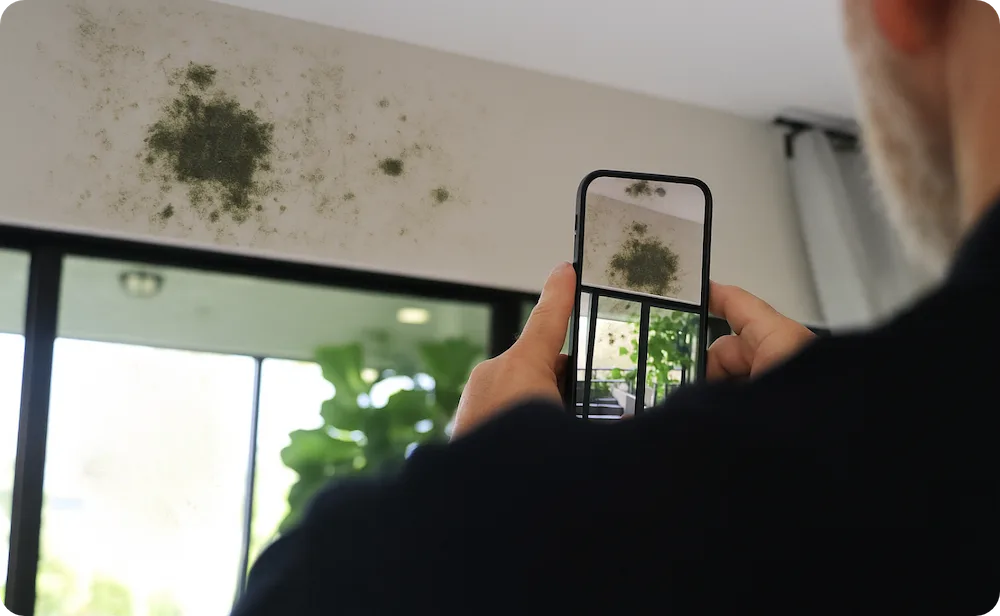
If mold is already visible or musty odors remain after a previous water loss, professional inspection may be appropriate. PuroClean also provides basement mold remediation in Vineland for moisture-related mold problems.
Water damage can affect both finished and unfinished basements, but finished spaces often require additional inspection because moisture can become trapped behind walls, beneath flooring, and inside insulation before the full extent of the damage is visible.
Finished basements commonly contain drywall, insulation, carpet, laminate flooring, cabinetry, trim, furniture, electronics, and other materials that can absorb water. Moisture may spread beneath finished flooring or behind walls even when only a small portion of the basement appears wet.
Professional moisture detection can help determine how far the water traveled and whether affected materials can be dried in place or require removal.
Unfinished basements may have exposed concrete floors and walls, but water can still affect wood framing, sill plates, insulation, stored belongings, utilities, shelving, and structural materials.
Cardboard boxes, furniture, fabrics, paper products, and other porous contents stored in basements can absorb moisture quickly and may require evaluation after flooding.
Whether a material can be dried and restored depends on several factors, including the source of the water, how long the material remained wet, the degree of saturation, contamination concerns, and the condition of the material before the loss.
Materials that may require evaluation after basement flooding include:
Some materials may be successfully dried when the water source is relatively clean and restoration begins quickly. Other materials may need to be removed when they are heavily saturated, contaminated, damaged beyond restoration, or prevent access to hidden moisture.
Homeowners insurance coverage for basement flooding depends heavily on what caused the water damage and the terms of the individual policy.
A sudden plumbing failure may be handled differently from groundwater intrusion, surface flooding, long-term seepage, sewer backup, or sump pump failure. Certain causes of water damage may require separate endorsements or additional coverage.
After a basement flood, homeowners should document visible damage with photographs and video when it is safe to do so and contact their insurance carrier to determine what coverage applies.
PuroClean can document affected areas, moisture conditions, drying progress, and restoration work performed during the cleanup process.
Not every basement flood can be prevented, but regular inspection and maintenance can help reduce the likelihood of recurring water problems.
Homeowners can consider:
If a basement floods repeatedly, identifying the underlying drainage, plumbing, sump pump, foundation, or groundwater issue can help reduce the likelihood of another loss.
Water does not remain confined to the area where it first enters. It can move laterally beneath flooring, wick upward through drywall, enter insulation, migrate into wall cavities, and increase humidity throughout the basement.
The longer affected materials remain wet, the more opportunity there is for swelling, deterioration, odors, staining, and mold growth.
Prompt extraction followed by moisture detection, structural drying, and monitoring can help reduce secondary damage and identify hidden moisture before repairs begin.
PuroClean of Vineland provides professional basement flood cleanup for homeowners dealing with standing water, hidden moisture, sump pump failures, plumbing leaks, heavy rain intrusion, burst pipes, and other basement water emergencies.
Our restoration process focuses on identifying the source of the water, removing standing water, locating concealed moisture, drying affected materials, and monitoring conditions throughout the restoration process.
PuroClean of Vineland provides basement flood cleanup, water extraction, structural drying, mold remediation, and property restoration services throughout Vineland and surrounding communities in South Jersey.
Basement flooding can occur after heavy rain, plumbing failures, sump pump problems, frozen pipes, appliance leaks, sewage backups, or groundwater intrusion. Whether the affected area is a finished basement, storage space, laundry room, utility area, or unfinished lower level, our team can evaluate the damage and develop an appropriate restoration plan.
Basement flooding often overlaps with other water damage problems. Depending on the source and extent of the loss, related services may include:
Prioritize safety. Avoid entering standing water when electrical equipment, outlets, wiring, appliances, or contamination may be involved. If the source can be stopped safely, shut off the appropriate water supply and contact a professional restoration company for water removal and drying.
Cleanup should begin as soon as conditions are safe and the source of the water has been controlled. Faster extraction reduces the amount of time flooring, drywall, insulation, framing, and belongings remain exposed to moisture.
Some surface moisture may evaporate naturally, but substantial basement flooding can leave moisture trapped beneath flooring, behind walls, inside insulation, and within structural materials. Controlled airflow, dehumidification, and moisture monitoring provide a more reliable way to address hidden moisture.
No. Whether drywall can be dried depends on the water source, degree of saturation, how long it remained wet, contamination concerns, and the condition of the material. Moisture inspection helps determine whether drying or removal is appropriate.
Yes. During heavy rain or periods of saturated soil, a failed sump pump can allow groundwater to accumulate quickly. Water may spread across the basement and into flooring, walls, insulation, and stored belongings before the problem is discovered.
Yes. Mold can develop when porous building materials remain damp. Prompt extraction, drying, and moisture monitoring help reduce the amount of time affected materials remain wet.
Drying time varies based on the amount of water, size of the affected area, building materials involved, humidity, airflow, temperature, and how far moisture has migrated. Standing water may be removed relatively quickly, while structural drying can continue for several days depending on conditions.
Coverage depends on the source of the water and the terms of the individual policy. Sudden plumbing failures may be handled differently from groundwater intrusion, surface flooding, sewer backups, long-term seepage, or sump pump failure. Contact your insurance carrier to determine what coverage applies.
Moisture behind finished walls can remain hidden after visible standing water has been removed. Moisture detection and monitoring can help determine whether wall cavities, insulation, drywall, or framing remain wet and whether additional drying or selective removal is necessary.
Professional extraction is generally appropriate when standing water covers a significant area, finished materials are saturated, moisture has spread beneath flooring or behind walls, electrical systems may be affected, or the water source may involve contamination.
If your basement has flooded after heavy rain, a sump pump failure, burst pipe, plumbing leak, appliance failure, sewage backup, or another water emergency, PuroClean of Vineland can provide professional water extraction, moisture detection, structural drying, and basement flood cleanup.
Fast action can help limit how far water spreads and identify moisture that may remain hidden inside flooring, walls, insulation, and structural materials.
What Our Customers Say:
Find answers to common questions about our services
We can reach most Vineland neighborhoods fast because we’re already based here. We know Delsea Drive, Landis Avenue, and the back streets without mapping them. A burst pipe off Wheat Road at 2 a.m. is not a problem. Every hour water sits in your walls, damage gets worse. Mold can start within 48 hours, so speed really does matter.
What are the first signs of a burst pipe?
Look for water spots, sounds of running water, and decreased pressure. Swift identification can prevent extensive damage. You may also notice damp spots on walls or ceilings.
How quickly should I respond to a burst pipe?
Immediate action is critical. Shut off the main water supply and power. This helps to control the situation and reduce water damage. The sooner you react, the less severe the aftermath.
What temporary measures can stabilize the situation?
Use pipe clamps or epoxy to seal leaks. These fixes are only temporary until professionals arrive. Have these materials in your emergency kit for quick response.
Can I prevent pipes from bursting in the future?
Yes, with regular maintenance and inspections. Insulate pipes and monitor high-risk areas. Investing in preventative care is key to avoiding recurring plumbing disasters.
Staying Calm and Proactive in a Water Pipe Crisis
Facing a burst pipe can be overwhelming, but keeping calm is vital. Remember, quick action minimizes damage and expenses. By understanding the emergency response steps, you’re better prepared for any plumbing crisis.
Long-term prevention, regular maintenance, and knowing when to call professionals will safeguard your home. Embrace these habits and make sure to educate family members too. A calm and informed approach will help you navigate and overcome any water pipe crisis confidently.
PuroClean of Vineland offers a full suite of commercial restoration services, including water, fire, mold, biohazard, and storm damage recovery. We also provide emergency board-up, structural drying, and reconstruction services.
Our teams are equipped to manage both local and large-loss commercial projects with consistent quality, safety, and communication.
PuroClean of Vineland regularly collaborates with insurance carriers, TPAs, and risk management teams to manage commercial property restoration claims. We provide detailed drying logs, scope documentation, and photo/video reporting for every project in Vineland, NJ.
Our Certified Priority Response (CPR) Program ensures fast contact, on-site inspection within hours, and rapid reporting, meeting the timelines insurers and clients expect for large-scale commercial losses.
PuroClean of Vineland handles nearly every commercial loss scenario, including commercial water damage restoration, fire and smoke damage, mold remediation, sewage cleanup, chemical spills, and biohazard decontamination.
We can also manage full reconstruction when structural repair is needed. Our national network allows us to scale from localized events to large-loss recovery, maintaining consistent quality and communication across every project.
Water damage can result from unexpected leaks, flooding from storms, plumbing failures, or appliance malfunctions. Our certified teams focus on rapid water removal, drying, and stabilization to help prevent further damage and mold growth.
 Explore Our Water Damage Mitigation Services
Even after a fire is extinguished, smoke, soot, and odor can continue to affect your home. Fire damage restoration services address visible damage while also helping reduce lingering effects that impact indoor air quality and surfaces.
Explore Our Fire and Smoke Damage Restoration Services
Mold often develops as a result of unresolved moisture or hidden water damage. Professional mold remediation helps identify affected areas, contain growth, and restore healthy indoor conditions.
Explore Our Mold Removal and Remediation Services
Biohazard situations, including crime scene cleanup and virus decontamination, require specialized cleaning and handling to protect health and safety. Biohazard cleanup services address contamination using proper protocols and professional care.
Explore Our Biohazard Cleanup Services
In some cases, property damage requires repairs beyond cleanup and mitigation. Reconstruction services help restore damaged areas of the home after water, fire, or other incidents, supporting a smoother transition from damage to recovery.
Explore Our Reconstruction Services Services
PuroClean provides 24/7 commercial property damage restoration services for businesses and facilities across the United States.
Explore Our Commercial Services
Water damage can result from unexpected leaks, flooding from storms, plumbing failures, or appliance malfunctions. Our certified teams focus on rapid water removal, drying, and stabilization to help prevent further damage and mold growth.
Explore Our Water Damage Mitigation Services


PuroClean of Vineland
(888) 598-1441
3003 N. Mill Road, Building 400, Suite 3, Vineland, NJ 08360

© 2026 PuroClean. All Rights Reserved.