24/7 Emergency Flood Damage Cleanup Vineland Services in Vineland, NJ
Floodwater can enter a Vineland home faster than a homeowner can move belongings or protect finished rooms. After a period of heavy rainfall, water may collect around exterior doors, flow into a basement, spread across flooring, or seep into walls. Even when the standing water recedes, damp insulation, subfloors, and other building materials can remain damaged long afterward.
PuroClean of Vineland provides flood damage cleanup in Vineland, NJ, helping homeowners and businesses address standing water, potentially contaminated floodwater, water-damaged materials, and moisture left behind after flooding. Our work focuses on assessing the damage, extracting water, identifying affected materials, performing appropriate cleaning, and drying the structure.
If your property has flooded: Do not enter standing water when electrical safety is uncertain, avoid contact with potentially contaminated floodwater, and do not assume a room is dry simply because the visible water is gone. Call (888) 598-1441 to discuss the damage and available cleanup options.
Flood damage cleanup involves more than pumping water out of a building. Depending on the source, floodwater may carry soil, microorganisms, debris, or other contaminants into the property. Moisture can also travel beneath flooring, into wall cavities, and through insulation, affecting materials that appear dry from the outside.
The appropriate restoration plan depends on the water source, potential contamination, extent of saturation, building materials involved, and whether the property can be entered safely.
Standing water can spread into adjoining rooms, saturate porous materials, and damage belongings. When conditions are safe, professional extraction equipment can remove accumulated water and allow the remaining damage to be assessed.
Some properties have visible flooding across finished floors. Others may have water collecting beneath flooring or inside concealed spaces. Extraction is followed by further evaluation to determine where cleaning, drying, or material removal is needed.
Learn more about our emergency water removal services in Vineland.
When water reaches occupied living spaces, it may affect flooring, baseboards, drywall, cabinets, upholstered furniture, and other household materials. The damage can extend beyond the visible waterline, particularly where porous materials have absorbed moisture.
Carpeting, padding, insulation, and some composite materials may be difficult or unsafe to restore after contact with contaminated floodwater. Other materials may be suitable for cleaning and drying, depending on the circumstances.
Our flooded house cleanup services explain the broader restoration considerations when water affects multiple rooms or living areas.
Basements can flood during prolonged rainfall, surface-water accumulation, drainage problems, or sump pump failures. When the basement is finished, water may also damage wall insulation, carpet padding, flooring, and stored belongings.
Basement cleanup should begin only after electrical, structural, and contamination hazards have been addressed. Water near an electrical panel, outlets, furnace, or other mechanical equipment requires particular caution.
For basement-specific situations, visit our basement flood cleanup in Vineland and basement water extraction pages.
Floodwater that has traveled across outdoor surfaces may contain sediment, microorganisms, chemicals, or other contaminants. Water from a sewer backup presents additional sanitation concerns. The appearance or smell of the water alone cannot reliably establish whether it is safe.
Do not treat unknown floodwater as ordinary clean water. Avoid direct contact, keep children and pets away, and do not use a household vacuum or ordinary fans in an unsafe or potentially contaminated area.
Depending on the contamination and affected materials, professional cleanup may involve removal of unsalvageable porous materials, appropriate cleaning, and drying after contaminated areas have been addressed.
For incidents involving backed-up plumbing or wastewater, see our sewage backup cleanup services.
After standing water is removed, moisture may remain inside drywall, framing, insulation, and flooring assemblies. These concealed areas can stay damp even when the air and visible surfaces appear dry.
Professional drying may involve moisture measurements, dehumidification, air movement, and periodic monitoring. The equipment and approach are selected according to the water damage, contamination conditions, material types, and drying requirements.
Learn more about structural drying in Vineland.
Flooding creates risks that may not be obvious from the water’s depth or appearance. Electrical equipment may be energized, building materials may be weakened, and floodwater can carry contaminants into otherwise clean areas.
If your Vineland home has flooded, follow these steps when safe and appropriate:
Never drive or walk through floodwater. Water may conceal debris, missing pavement, electrical hazards, or moving currents. Follow official road closures and local emergency instructions.
For additional guidance, read Basement Flooded After a Storm? 7 Things to Do Immediately.
Floodwater inside your Vineland property?
Tell us where the water entered, which rooms are affected, and whether any safety concerns are known. Our team can discuss appropriate next steps.
Vineland covers a large area of Cumberland County, with residential neighborhoods, commercial corridors, farmland, and properties with varying drainage and building conditions. Flooding does not affect every part of the city equally, and a property’s exposure depends on its location, elevation, drainage, construction, and the severity of an individual event.
South Jersey rainfall events, strong thunderstorms, and tropical weather systems can create conditions that contribute to flash flooding, standing surface water, and interior water damage. Properties may also experience water intrusion during longer periods of precipitation when the surrounding ground is already saturated.
The Maurice River watershed is part of the region’s flood geography. The National Weather Service maintains river monitoring information for the Maurice River at Norma, including examples of flood impacts affecting roads in the Vineland area.
According to the National Weather Service’s Maurice River monitoring information, higher river stages can affect locations such as Riverside Drive and certain road crossings. This is useful regional flood context, but it does not establish the flood risk of an individual home or business.
If flooding is occurring, follow local emergency guidance and road closures. For an individual property’s mapped flood-zone information, consult the FEMA Flood Map Service Center rather than assuming that being near or far from the river determines the risk.
During intense or prolonged rainfall, water may collect where drainage is restricted, downspouts discharge too close to a foundation, or exterior grading directs water toward the building. Water can enter through basement windows, exterior stairwells, door thresholds, and other vulnerable openings.
These conditions can affect homes outside mapped river floodplains. The source of the water matters because correcting the drainage or exterior opening is separate from cleaning and drying the resulting interior damage.
Lower-level spaces may be especially vulnerable when water accumulates around a building. A finished basement may conceal wet insulation and flooring, while a crawl space may hold moisture that is not immediately noticeable from inside the home.
Homeowners should avoid entering spaces where water, electrical equipment, unsafe access conditions, or suspected contamination create hazards. Once access is safe, an assessment can help identify which materials require attention.
A sump pump without working backup power may stop operating during an outage. Pumps can also experience mechanical failures, blocked discharge lines, or incoming water that exceeds their capacity.
If a pump failure contributed to flooding, both the resulting water damage and the underlying pump or drainage problem should be addressed. For more information, visit our sump pump failure cleanup page.
The distinction matters because different water sources can involve different health risks, material-restoration decisions, and insurance coverage.
| Water Damage Situation | Important Consideration | Related Service |
|---|---|---|
| Outdoor floodwater enters a ground-level room | Possible contamination and widespread material exposure | Flood damage cleanup |
| Rain enters through a damaged roof | Source repair plus interior water damage assessment | Roof leak water damage cleanup |
| A basement floods after a sump pump failure | Standing water, pump failure, and possible concealed moisture | Sump pump failure cleanup |
| A sewer or drain backs up | Potential wastewater contamination and sanitation requirements | Sewage backup cleanup |
| A pressurized pipe breaks inside the home | Internal plumbing loss with potentially different material and coverage considerations | Burst pipe water damage cleanup |
Water should not be classified as clean or safe based only on appearance. An appropriate assessment considers the source, exposure conditions, and potential contamination.
One of the first questions homeowners ask is whether wet flooring, drywall, furniture, or personal belongings must be replaced. The answer depends on the source of water, contamination, material type, amount of saturation, and time elapsed before cleanup.
Drywall and insulation can absorb and retain water. Materials exposed to contaminated floodwater may require removal rather than drying in place. Decisions should account for hidden moisture and whether affected assemblies can be safely cleaned and dried.
Carpet padding and certain flooring materials can trap moisture or contaminants. Depending on the floodwater source and exposure, some components may need removal to allow proper cleaning and drying of the subfloor beneath them.
Some structural wood materials may be suitable for cleaning and controlled drying, depending on their condition and exposure. Moisture measurements are important because the surface may dry before the interior of a material reaches an appropriate condition.
Whether belongings can be restored depends on their material and the type of floodwater involved. Nonporous items may be easier to clean than upholstered furniture, mattresses, cardboard, or absorbent household items exposed to contamination.
Do not discard valuable or potentially salvageable items without considering safety, documentation, and insurance requirements. However, do not keep contaminated materials inside occupied living spaces simply because they appear dry.
For general guidance on safe flood recovery, see the EPA’s flood cleanup and indoor air quality recommendations.
Every flood is different. A home with several inches of outdoor floodwater may require different procedures from a property affected by a localized basement loss or a small roof leak. The response should reflect the actual conditions at the building.
The initial evaluation considers electrical hazards, structural concerns, possible contamination, and whether water is still entering the property. Certain conditions may need to be addressed by emergency services, utilities, or qualified contractors before cleanup can safely proceed.
Visible water damage, affected rooms, building materials, and possible moisture migration are assessed. Photographs and appropriate moisture measurements can help establish the extent of the loss and the work required.
Once the area can be accessed safely, appropriate extraction methods are used to remove accumulated water. The water source and contamination conditions influence equipment selection and subsequent cleanup procedures.
Materials that cannot be safely cleaned and restored may need removal. This can include certain porous building materials exposed to contaminated floodwater or materials whose condition prevents effective drying.
Cleaning methods depend on the materials and type of contamination involved. Removing sediment, debris, and affected materials may be necessary before structural drying can proceed appropriately.
Drying may involve dehumidification, controlled air movement, moisture measurements, and additional inspection of concealed spaces. The objective is to address remaining moisture rather than relying on surface appearance.
Once mitigation is complete, the property may require additional cleaning, material replacement, or reconstruction. Specialized repairs should be coordinated with appropriately qualified professionals based on the work involved.
Our water damage restoration services provide additional information about restoration following different types of water losses.
Removing standing water is important, but it does not eliminate all moisture. Wet insulation, flooring assemblies, framing, cabinets, and wall cavities may remain damp after a room appears clean.
The U.S. Environmental Protection Agency advises drying a flood-damaged home and its contents as quickly as possible, ideally within 24–48 hours. When materials cannot be dried within that timeframe, mold growth becomes a greater concern and additional cleanup precautions may be necessary.
This guidance is not a guarantee that mold will develop after a specific number of hours or that a recently dried property is free of moisture problems. The actual conditions of the materials matter.
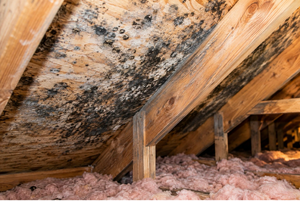
If mold is visible or suspected, restoration may also require a separate assessment of affected areas. Learn more about mold remediation services and basement mold remediation in Vineland.
Most standard homeowners insurance policies do not cover flooding caused by rising external water. Separate flood insurance may provide coverage for qualifying losses, subject to policy terms, limits, deductibles, and exclusions.
The cause of water damage is important. For example, water entering through a storm-damaged roof, a sudden plumbing failure, and rising outdoor floodwater may involve different insurance provisions. A restoration company cannot determine coverage simply by examining the damaged materials.
The National Flood Insurance Program explains why homeowners insurance and flood insurance are different types of protection.
Photograph conditions before major cleanup when safe, but do not delay necessary emergency mitigation solely to gather evidence. Contact your insurer for instructions on documenting the loss and retaining damaged materials when required.
PuroClean can document the restoration work performed. Insurance coverage, deductibles, and claim decisions are determined by the applicable policy and insurer.
Floodwater can affect single-family homes, finished basements, rental units, ground-level businesses, and commercial properties throughout Vineland. A residential loss may involve damaged flooring and furniture, while a commercial loss may affect occupied rooms, equipment areas, storage spaces, or multiple tenant units.
The appropriate restoration plan should account for the type of building, water source, contamination, access conditions, and materials affected. Property owners and managers should also document damaged spaces and communicate any unsafe areas to occupants.
Visit our Vineland service-area page for additional information about local restoration coverage.
For flooding associated with severe weather, our storm damage restoration services in Vineland cover related problems such as wind-driven rain, roof leakage, and storm-related interior water damage.
You should consider professional assistance when floodwater has entered occupied rooms, basement areas, or concealed building spaces, particularly if the water source is uncertain or contamination may be present.
Professional evaluation is especially important when:
Call PuroClean of Vineland at (888) 598-1441 to describe the flooding, the affected rooms, and any known safety concerns. Our team can discuss available services and appropriate next steps.
For flood-related water damage, standing-water extraction, contaminated water cleanup, and structural drying, contact PuroClean of Vineland at (888) 598-1441. For immediate electrical or structural hazards, contact emergency services or an appropriate qualified professional before entering the affected area.
Flood cleanup commonly involves water entering a property from outside, potentially carrying sediment or contaminants and affecting multiple building materials. Water damage restoration is a broader category that also includes roof leaks, plumbing failures, appliance leaks, and other water losses. The source and condition of the water influence cleanup procedures.
Yes. Heavy rainfall, drainage problems, blocked exterior openings, and other conditions can cause water to enter a building outside a mapped high-risk flood zone. Official flood maps are useful for assessing certain risks, but they do not rule out every possible flooding event.
It can be. Floodwater may contain contaminants that are not visible, including microorganisms or chemicals picked up from outdoor surfaces. Avoid assuming water is safe based on its appearance or lack of odor.
As soon as the property can be accessed safely. Prompt extraction, appropriate cleaning, and drying can help limit additional damage. Electrical hazards, contamination, and structural instability must be addressed before unsafe cleanup work begins.
The timeline depends on the amount and source of water, extent of contamination, materials affected, drying conditions, and repairs required. Drying may take several days, while more extensive cleaning, material replacement, or reconstruction may take longer. A property-specific assessment is needed for a meaningful estimate.
Sometimes. The answer depends on the material, contamination, extent of saturation, and whether it can be safely cleaned and dried. Certain porous materials exposed to contaminated floodwater may require removal.
Do not use ordinary fans where electrical hazards, contamination, or significant mold growth may be present. Drying methods should be selected after assessing the safety of the space and the condition of affected materials. Fans alone cannot establish whether concealed spaces are dry.
Not always. The decision depends on water contamination, the height and extent of saturation, material condition, and whether affected assemblies can be safely cleaned and dried. An inspection helps determine the appropriate approach.
Standard homeowners insurance commonly excludes damage from rising surface water. Separate flood insurance or other applicable coverage may be necessary, depending on the cause and policy terms. Contact your insurance provider for a determination specific to your loss.
Yes. Damp building materials and belongings can create conditions favorable to mold growth. Prompt water removal, appropriate cleaning, and thorough drying help reduce the risk, but affected materials should be evaluated rather than assumed dry based on appearance.
PuroClean of Vineland provides restoration services for homes and commercial properties. The appropriate response depends on the building, source of flooding, contamination, access conditions, and scope of damage. Contact our office to discuss your specific situation.
Flood damage is not always limited to the rooms where water was visible. Moisture may remain beneath flooring, within walls, and inside building materials after the standing water has been removed. When floodwater may be contaminated, the cleanup process also requires special attention to safety and sanitation.
PuroClean of Vineland provides flood damage cleanup, professional water extraction, moisture assessment, and structural drying for affected homes and businesses in Vineland, New Jersey.
Call (888) 598-1441 to discuss the damage and available restoration options.
What Our Customers Say:
Find answers to common questions about our services
You can check the walls and ceilings for water stains, the floors for warping and buckling, and the pipes for corrosion, leaks, missing grout, and mold. Attics and basements may have damaged flooring, mildew or mold, dampness, and odors. Also, be sure to inspect the exterior of the home for cracked roof tiles, puddles, standing water, and whether the ground is sloping away from the house.
First, if safe, shut off the utilities in your home to avoid further damage. Don’t enter your home if it has suffered structural damage. Don’t walk through floodwater if electricity hasn’t been turned off, and avoid contaminants. Next, contact a water-damage restoration company, such as PuroClean of Vineland, as soon as possible. Don’t wait, as water can cause mold and irremediable damage to the wood, walls, and carpet. Then, depending on the extent of the damage and the recommendation of the remediation company, contact your insurance provider to start the claim process.
There are many variables that determine whether a flooded property can be saved: the amount of water, and even more important, the amount of time the water was in/around the property. Every situation is different, and PuroClean of Vineland expert restoration professionals can determine what can be salved once one site.
Property water damage can pose several dangers including structural instability, electrical hazards, mold and mildew growth leading to health issues, contamination from sewage or chemicals, and potential collapse of weakened structures.
Water flooding can cause extensive damage including structural damage to walls, floors, and foundations, damage to personal belongings, electrical hazards, and potential health risks from mold and bacteria growth. The longer water sits, the more severe the damage becomes.
Water damage can result from unexpected leaks, flooding from storms, plumbing failures, or appliance malfunctions. Our certified teams focus on rapid water removal, drying, and stabilization to help prevent further damage and mold growth.
 Explore Our Water Damage Mitigation Services
Even after a fire is extinguished, smoke, soot, and odor can continue to affect your home. Fire damage restoration services address visible damage while also helping reduce lingering effects that impact indoor air quality and surfaces.
Explore Our Fire and Smoke Damage Restoration Services
Mold often develops as a result of unresolved moisture or hidden water damage. Professional mold remediation helps identify affected areas, contain growth, and restore healthy indoor conditions.
Explore Our Mold Removal and Remediation Services
Biohazard situations, including crime scene cleanup and virus decontamination, require specialized cleaning and handling to protect health and safety. Biohazard cleanup services address contamination using proper protocols and professional care.
Explore Our Biohazard Cleanup Services
In some cases, property damage requires repairs beyond cleanup and mitigation. Reconstruction services help restore damaged areas of the home after water, fire, or other incidents, supporting a smoother transition from damage to recovery.
Explore Our Reconstruction Services Services
PuroClean provides 24/7 commercial property damage restoration services for businesses and facilities across the United States.
Explore Our Commercial Services
Water damage can result from unexpected leaks, flooding from storms, plumbing failures, or appliance malfunctions. Our certified teams focus on rapid water removal, drying, and stabilization to help prevent further damage and mold growth.
Explore Our Water Damage Mitigation Services


PuroClean of Vineland
(888) 598-1441
3003 N. Mill Road, Building 400, Suite 3, Vineland, NJ 08360

© 2026 PuroClean. All Rights Reserved.