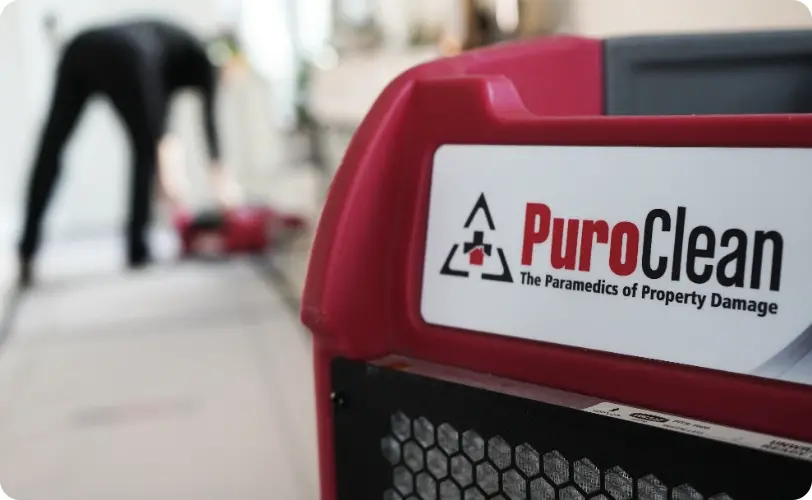
24/7 Emergency Storm Damage Restoration Services in Vineland, NJ
After a severe storm in Vineland, the damage inside your home may be more extensive than it first appears. A roof leak can soak attic insulation before leaving a stain on the ceiling. Heavy rainfall can overwhelm a sump pump and flood a finished basement. Water can also travel behind walls, beneath flooring, and into other areas that look completely dry.
PuroClean of Vineland provides storm damage restoration in Vineland, NJ, helping homeowners and businesses recover from storm-related water intrusion, flooded interiors, roof leak water damage, and hidden moisture. Our services include professional water extraction, damage assessment, cleanup, structural drying, and restoration of affected building materials.
Dealing with storm damage right now? Stay clear of standing water near electrical equipment, avoid areas with sagging ceilings or visible structural damage, and do not enter potentially contaminated floodwater. Call (888) 598-1441 to discuss your situation with our restoration team.
Storm damage can involve several different types of water intrusion, each requiring a different approach. A roof leak, flooded basement, and sewage backup may all occur during heavy rainfall, but the source of the water affects how the damaged materials should be evaluated and cleaned.
Our restoration work focuses on identifying the affected areas, removing unwanted water, addressing damaged materials, and managing moisture that remains after the initial cleanup.
When rainwater enters living spaces or standing water accumulates inside a building, prompt extraction can help reduce additional damage to flooring, drywall, baseboards, cabinets, and personal belongings.
The visible water is only part of the concern. Moisture can move into adjoining rooms and underneath finished surfaces, requiring further inspection even after the standing water has been removed.
Learn more about our emergency water removal services in Vineland.
When heavy rainfall causes outdoor water to enter a home, the cleanup may involve more than extraction and drying. Floodwater can carry sediment, microorganisms, and other contaminants into occupied spaces. Porous building materials exposed to contaminated water may require specialized cleaning or removal.
Flooding can also spread moisture beneath flooring, inside wall cavities, and through insulation. The cleanup approach depends on where the water originated, which materials were affected, and whether contamination is present.
For guidance on floodwater safety, material restoration, and professional cleaning, visit our dedicated flood damage cleanup services in Vineland, NJ page.
Strong winds and driving rain can damage roofing materials or expose openings around flashing, vents, skylights, and other exterior components. Once water enters the attic, it may travel along framing or soak insulation before becoming visible indoors.
Common warning signs include brown ceiling stains, bubbling paint, wet insulation, dripping water, and softened drywall. A small ceiling stain does not necessarily mean the water damage is limited to that location.
Roof repair and interior restoration are separate services. A qualified roofing contractor should address the damaged roof or exterior opening. PuroClean can evaluate and restore the resulting interior water damage within its service capabilities.
See our roof leak water damage cleanup and ceiling water damage cleanup services for more information.
Basements can flood when prolonged rainfall overwhelms drainage, exterior water enters through foundation openings, or a sump pump stops functioning. During severe weather, electrical outages may disable pumps without working backup systems.
In finished basements, water may spread beneath flooring and into drywall, insulation, and other concealed materials. Even a relatively shallow water loss can affect more than the visibly wet floor.
If your basement contains standing water, do not enter until electrical and contamination hazards have been evaluated. Water near a furnace, electrical panel, outlets, or other mechanical equipment requires particular caution.
Explore our basement flood cleanup, basement water extraction, and sump pump failure cleanup services.
Heavy rainfall can coincide with sewer or drainage problems that allow wastewater to enter a property. Unlike some other water losses, sewage backups may introduce biological contaminants that require additional cleaning precautions.
Do not attempt to vacuum contaminated water with household equipment or circulate air across affected materials using ordinary fans. Keep children and pets away from the area and arrange an appropriate professional assessment.
Learn more about our sewage backup cleanup services in Vineland.
Removing standing water does not guarantee that a building is dry. Moisture can remain trapped beneath flooring, behind baseboards, inside wall cavities, and within framing or insulation.
Professional structural drying may involve moisture measurements, controlled air movement, dehumidification, and ongoing monitoring. The objective is to determine which materials are affected and whether they can be safely and effectively dried.
Read more about structural drying in Vineland.
The first few decisions after a storm can affect your safety, the extent of additional damage, and the information available for an insurance claim. You do not need to investigate every damaged area yourself. Some conditions are best left to qualified professionals.
Do not assume the damage is minor because the water has stopped dripping. Wet insulation, wall cavities, and flooring may continue to retain moisture after the visible leak is controlled.
For additional homeowner guidance, read Basement Flooded After a Storm? 7 Things to Do Immediately and The First 24 Hours After Water Damage.
Stormwater inside your Vineland home or business?
Call our team to explain what happened, which areas are affected, and whether the water source is still active.
Vineland’s location in South Jersey exposes homes and businesses to heavy thunderstorms, wind-driven rain, remnants of tropical systems, and cold-season storms. The resulting water damage varies according to the weather event, property drainage, roof condition, building materials, and how water enters the structure.
For a property owner, the most useful question is not simply how much rain fell. It is where the water traveled and which areas of the building remain wet.
Vineland properties with basements, exterior stairwells, window wells, or low-lying entrances may experience water intrusion when rainfall collects around the building. Blocked downspouts, inadequate exterior drainage, and saturated ground can contribute to the problem.
Older and newer homes can both experience flooding. The age of the home alone does not determine the risk; drainage conditions, foundation openings, maintenance, and building elevation all matter.
The Maurice River watershed is an important part of Cumberland County’s geography. Heavy rainfall can affect waterways, drainage systems, and local roads, but proximity to the river does not automatically establish whether a particular Vineland home is at risk of flooding.
For current weather alerts and river conditions, homeowners can consult the National Weather Service’s Philadelphia/Mount Holly office. Property-specific mapped flood hazards can be researched through the FEMA Flood Map Service Center.
Flood maps are useful planning tools, but water intrusion can also occur outside mapped high-risk flood zones through heavy runoff, drainage failures, or other site-specific conditions.
Strong thunderstorm winds can loosen roofing materials, damage exterior building components, and create openings for rainwater. After the storm, water may appear as a ceiling stain, damp attic insulation, wet drywall, or discoloration near a window or exterior wall.
Property owners should avoid inspecting an unstable roof or attic themselves. Addressing the exterior opening and assessing the resulting interior damage are both important parts of recovery.
When storms interrupt electrical service, sump pumps without functioning backup systems may stop operating. A basement can accumulate water during continued rainfall even if the pump ordinarily performs well.
After the area is safe, the pump and discharge system should be evaluated separately from the water damage restoration work. Removing the standing water will not correct a failed pump or drainage problem.
Commercial buildings can experience water intrusion through roof systems, exterior doors, windows, and drainage components. Water may spread above suspended ceilings, across flooring, or into adjoining tenant and storage areas.
For property managers and business owners, documenting the affected spaces, identifying unsafe areas, and coordinating appropriate cleanup can help reduce additional property damage and disruption.
Water does not always remain near the point where it entered. It can travel along framing, collect behind drywall, move beneath flooring, and soak insulation before leaving obvious signs.
| What You Notice | Possible Problem | Recommended Next Step |
|---|---|---|
| Ceiling stain after strong winds | Roof leakage or moisture in attic materials | Arrange a roof inspection and interior moisture assessment |
| Basement water after a power outage | Sump pump or drainage failure | Avoid unsafe water and have the pump and damage evaluated |
| Swollen baseboards or lifting flooring | Moisture trapped beneath or behind finished materials | Request appropriate moisture measurements |
| Persistent musty odor | Damp materials or another unresolved moisture source | Investigate moisture before refinishing or closing affected surfaces |
| Water dripping near a ceiling light | Moisture near electrical components | Stay clear and arrange an electrical safety assessment |
These signs can help identify potential problems, but they do not establish the exact extent of damage. A professional assessment can help determine which materials are wet and what restoration work is appropriate.
Every storm loss is different. A basement affected by surface flooding may require different cleanup procedures from a roof leak that has saturated attic insulation. Our approach is based on the source of water, condition of the affected materials, safety concerns, and extent of damage.
The first step is understanding what happened and identifying any conditions that could prevent safe restoration work. Electrical hazards, structural concerns, contamination, and active water entry may need to be addressed before cleanup proceeds.
Visible damage, moisture measurements, and other observations help determine which areas have been affected. The inspection may include adjacent spaces and concealed assemblies where water could have traveled.
When conditions permit, professional extraction equipment is used to remove unwanted water. The source and potential contamination of the water help determine appropriate handling and cleaning procedures.
Some building materials can be dried and restored, while others may require removal because of saturation, contamination, deterioration, or construction characteristics. These decisions should reflect actual property conditions rather than assumptions.
Air movers, dehumidifiers, and moisture measurements may be used to manage drying conditions and track progress. Drying time depends on the materials involved, amount of moisture, indoor conditions, and extent of the loss.
After water mitigation, additional cleaning, odor control, material replacement, or reconstruction may be needed. Roofing, electrical, plumbing, and specialized repair work should be handled by appropriately qualified professionals.
For more information about professional restoration, read our guide to choosing a water mitigation company.
A wet room may look normal after standing water is removed, but concealed materials can remain damp. Moisture in drywall, insulation, framing, and flooring can contribute to deterioration, odors, and conditions favorable to mold growth.
The U.S. Environmental Protection Agency recommends prompt cleaning and thorough drying after flooding. Wet materials should be addressed as quickly as safely possible, with particular attention to materials that cannot be effectively cleaned or dried.
Drying within approximately 24–48 hours when possible is commonly recommended to help reduce the risk of mold growth. This is a prevention guideline, not a guarantee that mold will or will not develop within a specific timeframe.
If a musty odor remains or moisture is found in enclosed spaces, further investigation may be needed. Learn more about our mold remediation services and basement mold remediation in Vineland.
Storm damage may be covered, but coverage depends on what caused the loss and the terms of your policy. Water entering through a roof damaged by a covered wind event may be treated differently from rising outdoor floodwater entering a basement.
Standard homeowners insurance commonly excludes flooding caused by rising external water. Separate flood insurance may cover qualifying flood losses, depending on the applicable policy, limits, deductibles, and exclusions.
Homeowners can learn more about the distinction through the National Flood Insurance Program. For a determination about your specific loss, consult your insurance carrier or qualified insurance professional.
Document the damage when safe, but do not delay necessary emergency mitigation solely to gather photographs. Professional restoration records can help explain what work was performed, while insurance coverage and claim decisions remain with the carrier.
PuroClean of Vineland provides restoration services for residential and commercial properties in Vineland and surrounding communities, subject to service availability and the nature of the loss.
Whether you own a single-family home, manage a rental property, or operate a business, the appropriate response depends on where water entered, which materials became wet, and whether contamination or other safety concerns are present.
For local service information, visit our Vineland service-area page.
We also provide restoration services in nearby Millville. Homeowners there can learn about emergency water removal in Millville and contact our office to confirm availability for their specific property.
For storm-related interior water damage, including flooded basements, ceiling leaks, water extraction, and structural drying, call PuroClean of Vineland at (888) 598-1441. For immediate electrical, fire, or structural hazards, contact emergency services or the appropriate qualified professional first.
As soon as it is safe and practical. Prompt water removal and appropriate drying can help reduce additional material damage. Electrical hazards, structural instability, and potentially contaminated water must be addressed before unsafe work begins.
Storm damage restoration includes a range of weather-related problems, such as wind-driven roof leaks, basement water intrusion, and interior moisture damage. Flood damage cleanup focuses more specifically on flooding and its effects, including potential contamination from outdoor floodwater, widespread material saturation, and the cleaning procedures needed after water enters occupied spaces.
Yes. A sump pump can lose power, develop mechanical problems, have an obstructed discharge line, or become overwhelmed by incoming water. Water can also enter through openings outside the area served by the pump.
You may need both. A qualified roofing contractor addresses the damaged roof or exterior opening. A restoration company evaluates and restores resulting interior water damage, including affected ceilings, walls, insulation, and flooring.
Yes. Water can move into wall cavities, soak insulation, and travel beneath flooring before obvious staining appears. Moisture measurements and appropriate inspection can help identify affected materials.
The timeline depends on the amount of water, source of damage, affected materials, contamination, and repairs required. Some drying projects take several days, while larger losses may require additional work. A property-specific assessment is necessary for a meaningful estimate.
Sometimes. The decision depends on the water source, contamination, material condition, extent of saturation, and whether the material can be effectively cleaned and dried. Certain saturated or contaminated materials may require removal.
Coverage depends on how the water entered and the policy terms. Rising outdoor floodwater is commonly excluded from standard homeowners policies, while certain other causes may be treated differently. Contact your insurer for a specific coverage determination.
Yes. Materials that remain damp can create conditions favorable to mold growth. Prompt water removal, correction of the water source, and appropriate drying can help reduce the risk.
PuroClean of Vineland provides restoration services for residential and commercial properties. The appropriate work depends on the building, extent of water intrusion, safety conditions, and service availability.
After a storm, the most important questions are where the water entered, how far it traveled, and which materials remain wet. A leaking ceiling, flooded basement, or damaged floor can involve moisture that is not immediately visible.
PuroClean of Vineland provides storm-related water damage restoration, emergency extraction, flood cleanup, moisture assessment, and structural drying for affected homes and businesses in Vineland, New Jersey.
Call (888) 598-1441 to discuss the damage and available restoration options.
What Our Customers Say:
Find answers to common questions about our services
You can check the walls and ceilings for water stains, the floors for warping and buckling, and the pipes for corrosion, leaks, missing grout, and mold. Attics and basements may have damaged flooring, mildew or mold, dampness, and odors. Also, be sure to inspect the exterior of the home for cracked roof tiles, puddles, standing water, and whether the ground is sloping away from the house.
First, if safe, shut off the utilities in your home to avoid further damage. Don’t enter your home if it has suffered structural damage. Don’t walk through floodwater if electricity hasn’t been turned off, and avoid contaminants. Next, contact a water-damage restoration company, such as PuroClean of Vineland, as soon as possible. Don’t wait, as water can cause mold and irremediable damage to the wood, walls, and carpet. Then, depending on the extent of the damage and the recommendation of the remediation company, contact your insurance provider to start the claim process.
There are many variables that determine whether a flooded property can be saved: the amount of water, and even more important, the amount of time the water was in/around the property. Every situation is different, and PuroClean of Vineland expert restoration professionals can determine what can be salved once one site.
Property water damage can pose several dangers including structural instability, electrical hazards, mold and mildew growth leading to health issues, contamination from sewage or chemicals, and potential collapse of weakened structures.
Water flooding can cause extensive damage including structural damage to walls, floors, and foundations, damage to personal belongings, electrical hazards, and potential health risks from mold and bacteria growth. The longer water sits, the more severe the damage becomes.
Water damage can result from unexpected leaks, flooding from storms, plumbing failures, or appliance malfunctions. Our certified teams focus on rapid water removal, drying, and stabilization to help prevent further damage and mold growth.
 Explore Our Water Damage Mitigation Services
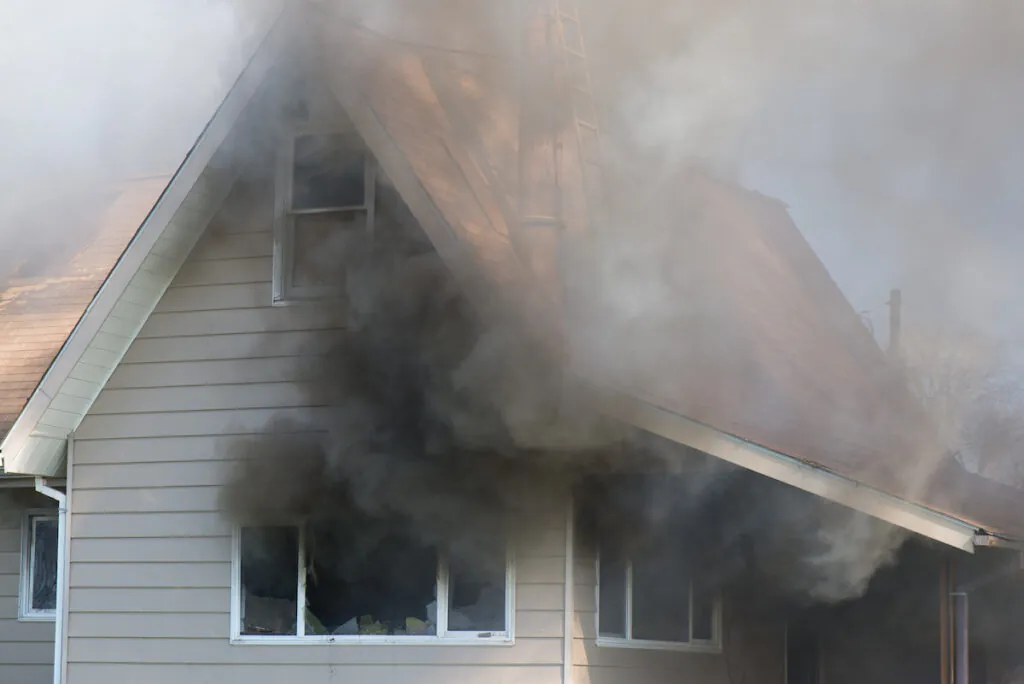
Even after a fire is extinguished, smoke, soot, and odor can continue to affect your home. Fire damage restoration services address visible damage while also helping reduce lingering effects that impact indoor air quality and surfaces.
Explore Our Fire and Smoke Damage Restoration Services
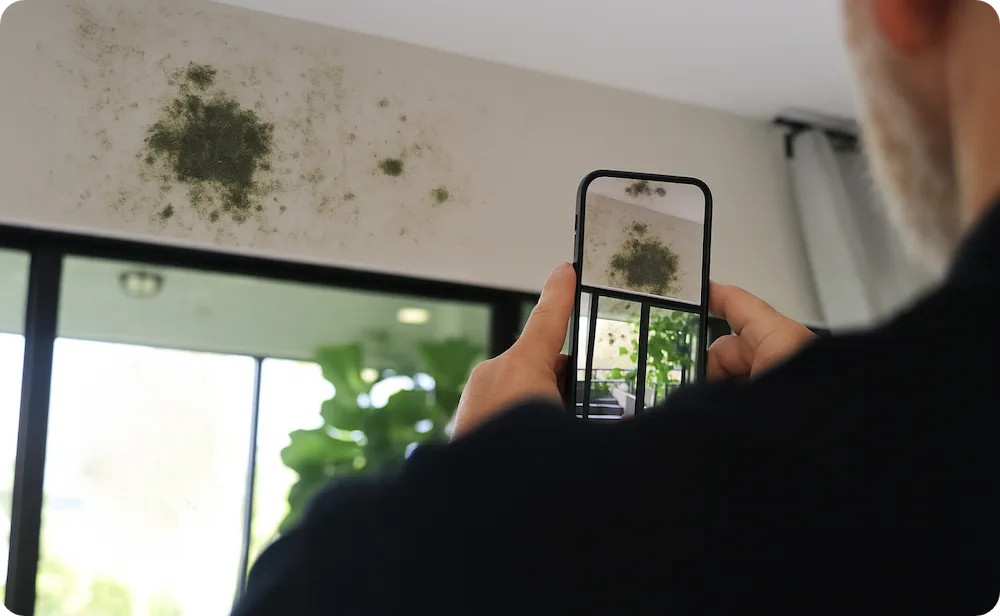
Mold often develops as a result of unresolved moisture or hidden water damage. Professional mold remediation helps identify affected areas, contain growth, and restore healthy indoor conditions.
Explore Our Mold Removal and Remediation Services
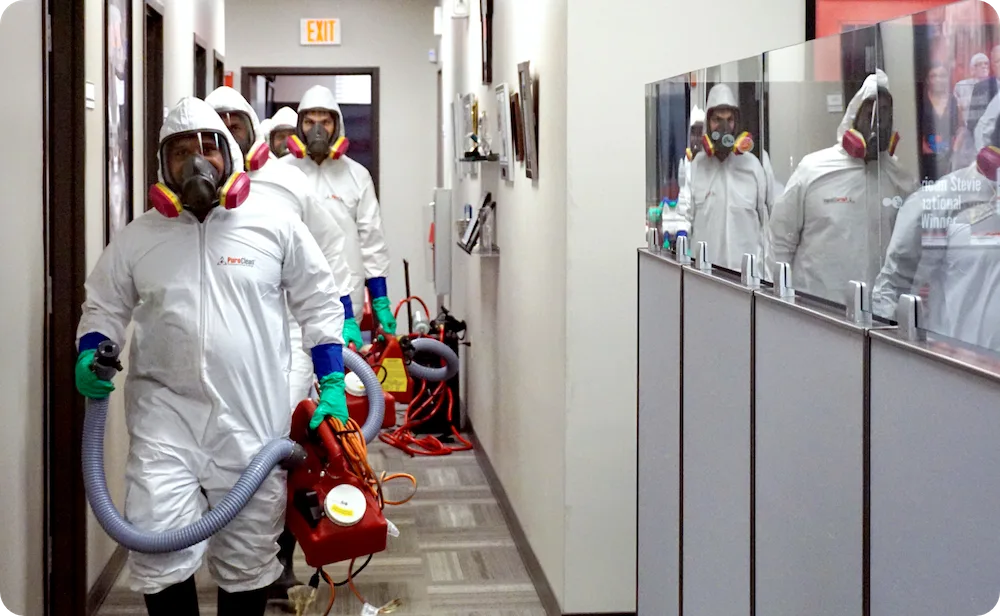
Biohazard situations, including crime scene cleanup and virus decontamination, require specialized cleaning and handling to protect health and safety. Biohazard cleanup services address contamination using proper protocols and professional care.
Explore Our Biohazard Cleanup Services
In some cases, property damage requires repairs beyond cleanup and mitigation. Reconstruction services help restore damaged areas of the home after water, fire, or other incidents, supporting a smoother transition from damage to recovery.
Explore Our Reconstruction Services Services
PuroClean provides 24/7 commercial property damage restoration services for businesses and facilities across the United States.
Explore Our Commercial Services
Water damage can result from unexpected leaks, flooding from storms, plumbing failures, or appliance malfunctions. Our certified teams focus on rapid water removal, drying, and stabilization to help prevent further damage and mold growth.
Explore Our Water Damage Mitigation Services


PuroClean of Vineland
(888) 598-1441
3003 N. Mill Road, Building 400, Suite 3, Vineland, NJ 08360