24/7 Emergency Burst Pipe Water Damage Cleanup Millville Services in Vineland, NJ
If a pipe has burst inside your home, the first priority is not cleaning up the floor.
Stop the water.
A pressurized plumbing line can continue releasing water until the supply is shut off. In only a short period of time, water can move beneath flooring, into drywall, through insulation, down into a basement, or through a ceiling into the room below.
PuroClean provides professional burst pipe water damage cleanup in Millville, NJ for homes and businesses dealing with active plumbing leaks, flooded rooms, wet ceilings, saturated drywall, damaged flooring, and hidden moisture after a pipe failure.
A plumber repairs the broken plumbing. PuroClean handles what the water did to the property.
If water is actively entering the building, a few minutes can matter.
If you can reach the main water shutoff safely, turn it off.
Do not waste time trying to catch a major plumbing leak with towels or buckets while the supply line is still feeding it.
Stopping the source limits how much additional water the building has to absorb.
If water is near outlets, light fixtures, appliances, electrical panels, extension cords, or other energized equipment, do not walk through the water just to reach the shutoff.
If you cannot safely control the water, get out of the affected area and call the appropriate emergency professional.
The failed pipe, valve, fitting, or supply line has to be repaired.
That is the plumber’s job.
Once the source is controlled, the next question is:
Where did the water go?
If it reached drywall, flooring, insulation, cabinets, ceilings, or other building materials, cleanup should go beyond simply mopping the visible surface.
PuroClean can begin emergency water removal in Millville while the plumbing repair is being completed or immediately afterward.
This distinction saves a lot of confusion after a plumbing loss.
Problem #1: the pipe.
A plumber finds and repairs the failed plumbing.
Problem #2: the water.
A restoration company determines which parts of the building got wet, removes excess water, dries affected materials, and addresses damage caused by the loss.
Repairing the pipe does not automatically dry the wall behind it.
Likewise, extracting water from the floor does not fix the plumbing.
On a significant loss, both trades may be needed at the same time.
Usually farther than the first wet spot suggests.
Water follows gravity, seams, gaps, penetrations, and the path of least resistance. A pipe can fail in one room and produce visible damage somewhere completely different.
Water may travel:
This is why the visible puddle is only the starting point.
A good water-damage assessment follows the moisture rather than assuming the damage ends where the floor looks dry.
Sometimes you can see it immediately. Other times the wall looks almost normal.
Signs of concealed moisture can include:
You do not necessarily need to tear open every wall around a leak.
The better approach is to determine where moisture actually traveled and whether affected materials can be dried in place.
An upper-floor pipe loss can affect more than the room where the failure occurred.
Water can move through the floor assembly and appear in the ceiling below. From there it may continue into walls, light fixtures, insulation, cabinetry, or another level of the house.
Common warning signs include:
If ceiling materials have become saturated, use caution underneath them. Wet drywall becomes heavy and damaged sections can fall.
For water that has migrated into the ceiling assembly, see our ceiling water damage cleanup in Millville service.
That happens frequently because water naturally moves downward through the structure.
A broken pipe in a kitchen, bathroom, laundry area, or upper floor can eventually send water into the basement even when the actual plumbing failure is nowhere near it.
If a significant amount of water collects downstairs, professional basement water extraction in Millville may be needed.
That is different from a basement flood caused by rain, groundwater, or a failed sump pump. The room may look similar, but identifying the source still matters.
There is little value in drying a building while water is still actively entering it.
We first make sure the source has been shut off or appropriately controlled. If plumbing repair is needed, a qualified plumber handles that portion of the job.
We evaluate the affected rooms and surrounding materials rather than limiting the assessment to the obvious puddle.
Depending on the loss, that can include:
If there is enough liquid water to extract, removing it mechanically is generally more efficient than trying to evaporate all of it with drying equipment.
The less free water sitting in or on materials, the more effectively the drying process can move forward.
A burst pipe does not automatically mean the room needs to be gutted.
Some wet materials can often be dried.
Others may need removal because they are physically damaged, heavily saturated, inaccessible, contaminated, swollen, delaminated, or unlikely to dry effectively in place.
We base removal decisions on the actual condition of the material rather than assuming every wet component is ruined.
After excess water has been removed and necessary access created, air movement and dehumidification may be used to help dry affected materials.
The goal is not simply to make the room feel less humid.
The goal is to reduce moisture inside the materials that got wet.
A floor can feel dry under your hand while the subfloor beneath it remains wet.
Drywall can look normal while insulation behind it still holds moisture.
Moisture readings help determine whether affected materials are actually drying and whether hidden areas still require attention.
No.
And neither answer — “always remove it” or “always dry it” — is very useful.
The decision depends on:
If the material remains structurally sound and conditions allow it to dry effectively, removal may not always be necessary.
If it is damaged or preventing the wall assembly from drying, removing the affected portion may be the better option.
Do not assume hardwood is automatically ruined because it got wet.
Water can move between boards and into the subfloor underneath. As wood absorbs moisture, you may notice cupping, swelling, raised edges, or other dimensional changes.
Whether the floor can be saved depends on the amount of water, how long it remained wet, the flooring system, the condition of the subfloor, and how quickly controlled drying begins.
One of the worst things you can do is look only at the top surface and assume the assembly underneath is dry.
Not automatically.
If water traveled underneath or behind kitchen or bathroom cabinetry, we need to determine whether the cabinet materials, toe kicks, wall behind them, and flooring underneath are wet.
Sometimes drying is possible without removing the entire cabinet run.
Other times limited disassembly is necessary to reach trapped moisture.
Again, the scope should follow the water.
Freezing is one cause, but it is not the only one.
A plumbing line can fail because of:
The restoration process does not require us to guess why a pipe failed.
The plumbing professional can diagnose and repair the cause. Our job is to identify and address the resulting water damage.
If the loss happened during freezing weather, it may have been.
A frozen pipe can split while ice blocks the line and then begin releasing water when the ice thaws.
If that appears to be what happened, see our dedicated frozen pipe water damage cleanup in Millville page for the freeze-and-thaw side of the problem.
Not every burst pipe is a frozen pipe, though. That is why these are separate service pages rather than two names for exactly the same loss.
It can if moisture remains in building materials.
This does not mean every pipe leak will become a mold problem.
It means the areas that became wet need to be identified and dried appropriately.
EPA and CDC guidance generally recommends drying wet materials promptly — often within approximately 24–48 hours when possible — to help reduce the likelihood of mold growth.
That is not a biological countdown clock. Mold growth depends on the material, temperature, humidity, airflow, and moisture conditions.
The useful takeaway is simply this:
Do not assume the job is finished because the standing water is gone.
Not always.
If a small plumbing leak is caught immediately, remains confined to a hard non-porous surface, and can be completely dried without hidden moisture, professional restoration may not be necessary.
The situation changes when:
That is when moisture detection and professional drying become much more valuable.
| What Happened | Who You May Need |
|---|---|
| Pipe is actively leaking | Plumber + possibly restoration immediately |
| Pipe is repaired but flooring/walls are wet | Water-damage restoration |
| Water is standing in the basement | Water extraction and drying |
| Water is dripping through a ceiling | Plumbing source control + ceiling water-damage assessment |
| Pipe froze during cold weather | Plumber + frozen-pipe water-damage restoration if leakage occurred |
| No standing water but materials remain damp | Moisture assessment and structural drying |
A burst pipe creates urgency, but urgency does not mean every decision has to be made blindly.
Before removing large amounts of drywall, flooring, cabinets, or trim, it is worth determining:
Sometimes demolition is necessary.
Sometimes aggressive demolition simply creates a larger reconstruction project than the water loss required.
The goal is not to remove the most material.
The goal is to get the building dry.
Shut off the water supply if you can do so safely. Then address any electrical hazards, contact a plumber for the pipe repair, and begin dealing with water that has entered the building.
If the pipe is actively leaking, you need the water source controlled. If significant water damage has already occurred, there is no reason the plumber and restoration company cannot be contacted at the same time.
PuroClean handles water removal, moisture detection, drying, cleanup, and restoration after the plumbing loss. The broken plumbing itself should be repaired by a qualified plumbing professional.
As soon as it can be done safely. Water continues moving into porous materials after the pipe is shut off, so early extraction and moisture assessment can reduce the amount of time materials remain wet.
No. Whether drywall can remain depends on how wet it became, its condition, whether insulation is affected, the water source, and whether the wall assembly can be dried effectively.
Yes. Water can travel downward through walls, flooring, stair openings, utility penetrations, and framing before collecting at the lowest level of the building.
Yes. Plumbing failures above a ceiling can saturate drywall, insulation, framing, and surrounding materials before water becomes visible in the room below.
There is no useful universal timeline. It depends on how much water was released, how long the leak continued, which materials became wet, whether concealed cavities are involved, and how those materials respond to drying.
Yes. Moisture can remain in padding, underlayment, subflooring, seams, and adjacent materials even when the walking surface appears dry.
It can when affected materials remain damp. Prompt water removal and controlled drying help reduce that risk.
Not automatically. The condition of the flooring and subfloor, moisture level, length of exposure, and response to drying all matter.
That is especially important information to share with the restoration company. A loss discovered after an unknown amount of time may require a broader moisture assessment because water may have traveled farther than initially expected.
A repaired pipe is good news.
But it answers only one part of the problem.
The next questions are:
Where did the water travel? What is still wet? What can be dried, and what actually needs to come out?
PuroClean of Vineland provides burst pipe water damage cleanup for homeowners and businesses in Millville and surrounding Cumberland County communities.
We can remove standing water, check surrounding materials for hidden moisture, establish drying equipment when appropriate, monitor drying progress, and help determine the proper restoration scope after the plumbing failure has been controlled.
Call (888) 598-1441 if a burst pipe has released water into your home or business.
What Our Customers Say:
Find answers to common questions about our services
You can check the walls and ceilings for water stains, the floors for warping and buckling, and the pipes for corrosion, leaks, missing grout, and mold. Attics and basements may have damaged flooring, mildew or mold, dampness, and odors. Also, be sure to inspect the exterior of the home for cracked roof tiles, puddles, standing water, and whether the ground is sloping away from the house.
First, if safe, shut off the utilities in your home to avoid further damage. Don’t enter your home if it has suffered structural damage. Don’t walk through floodwater if electricity hasn’t been turned off, and avoid contaminants. Next, contact a water-damage restoration company, such as PuroClean of Vineland, as soon as possible. Don’t wait, as water can cause mold and irremediable damage to the wood, walls, and carpet. Then, depending on the extent of the damage and the recommendation of the remediation company, contact your insurance provider to start the claim process.
There are many variables that determine whether a flooded property can be saved: the amount of water, and even more important, the amount of time the water was in/around the property. Every situation is different, and PuroClean of Vineland expert restoration professionals can determine what can be salved once one site.
Property water damage can pose several dangers including structural instability, electrical hazards, mold and mildew growth leading to health issues, contamination from sewage or chemicals, and potential collapse of weakened structures.
Water flooding can cause extensive damage including structural damage to walls, floors, and foundations, damage to personal belongings, electrical hazards, and potential health risks from mold and bacteria growth. The longer water sits, the more severe the damage becomes.
Water damage can result from unexpected leaks, flooding from storms, plumbing failures, or appliance malfunctions. Our certified teams focus on rapid water removal, drying, and stabilization to help prevent further damage and mold growth.
 Explore Our Water Damage Mitigation Services
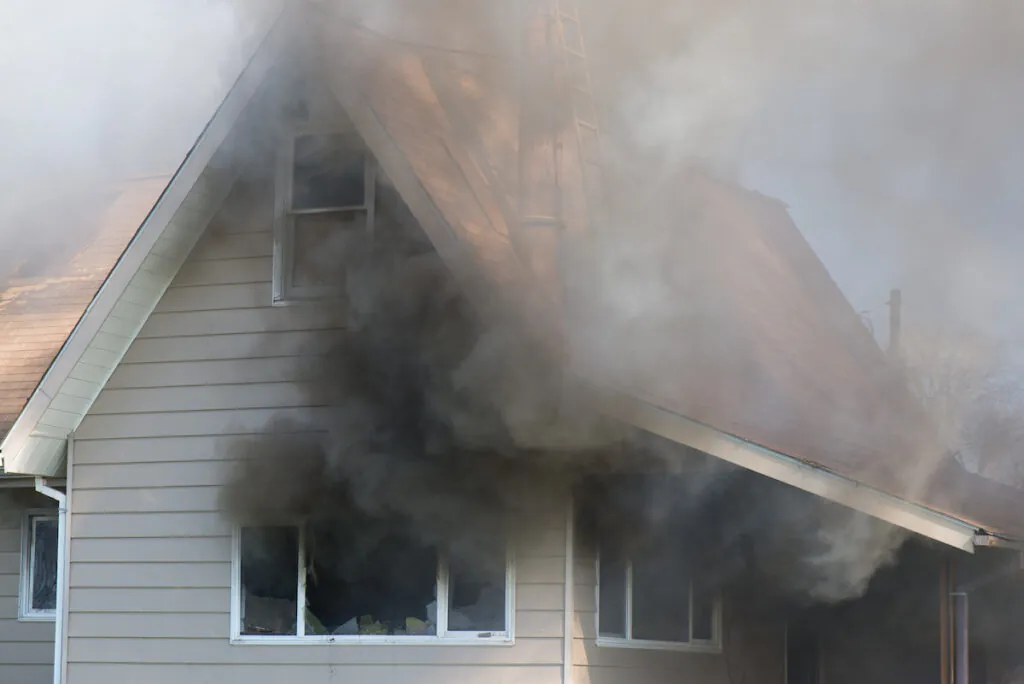
Even after a fire is extinguished, smoke, soot, and odor can continue to affect your home. Fire damage restoration services address visible damage while also helping reduce lingering effects that impact indoor air quality and surfaces.
Explore Our Fire and Smoke Damage Restoration Services
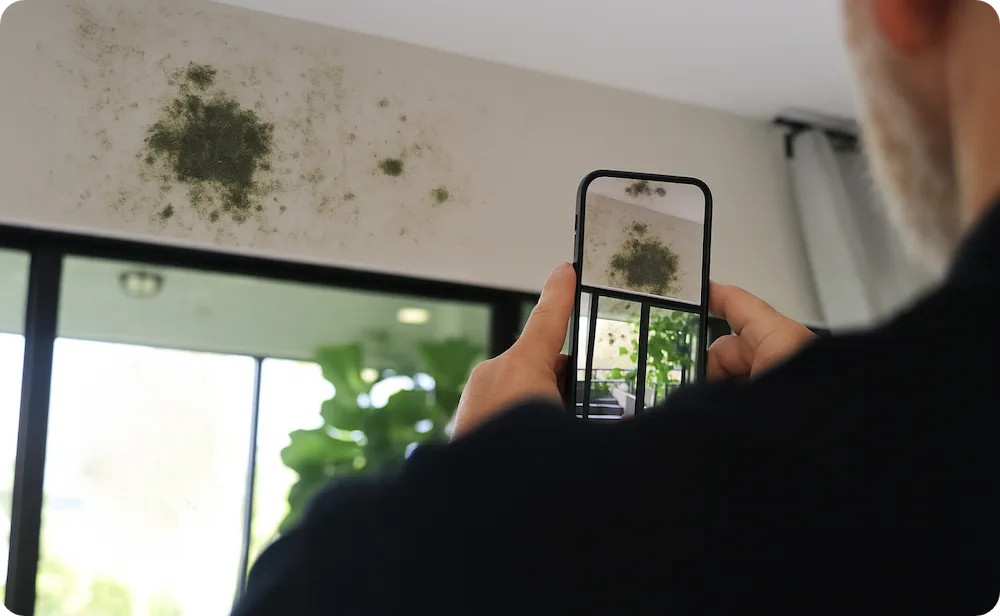
Mold often develops as a result of unresolved moisture or hidden water damage. Professional mold remediation helps identify affected areas, contain growth, and restore healthy indoor conditions.
Explore Our Mold Removal and Remediation Services
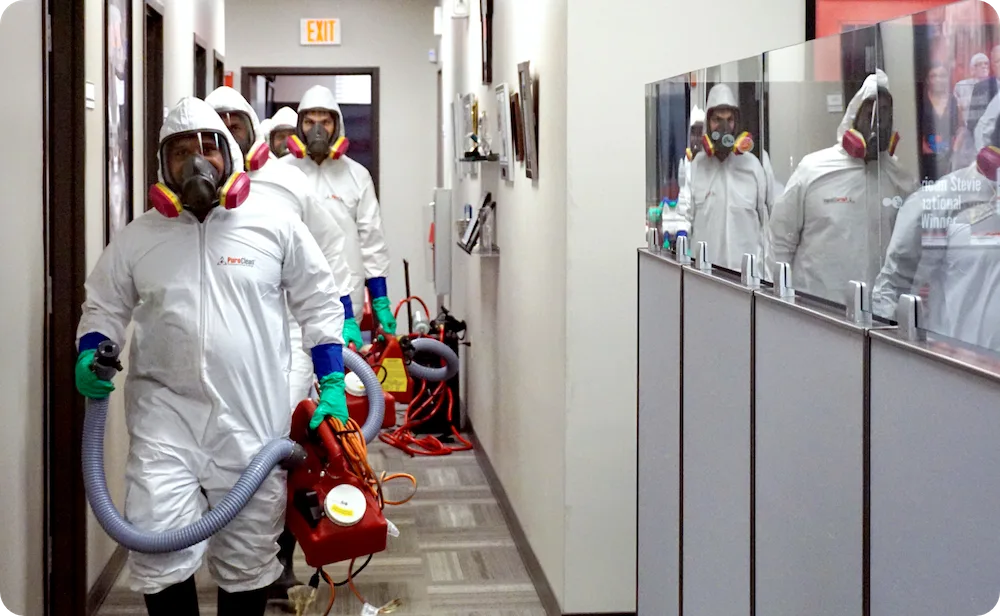
Biohazard situations, including crime scene cleanup and virus decontamination, require specialized cleaning and handling to protect health and safety. Biohazard cleanup services address contamination using proper protocols and professional care.
Explore Our Biohazard Cleanup Services
In some cases, property damage requires repairs beyond cleanup and mitigation. Reconstruction services help restore damaged areas of the home after water, fire, or other incidents, supporting a smoother transition from damage to recovery.
Explore Our Reconstruction Services Services
PuroClean provides 24/7 commercial property damage restoration services for businesses and facilities across the United States.
Explore Our Commercial Services
Water damage can result from unexpected leaks, flooding from storms, plumbing failures, or appliance malfunctions. Our certified teams focus on rapid water removal, drying, and stabilization to help prevent further damage and mold growth.
Explore Our Water Damage Mitigation Services


PuroClean of Vineland
(888) 598-1441
3003 N. Mill Road, Building 400, Suite 3, Vineland, NJ 08360

© 2026 PuroClean. All Rights Reserved.