24/7 Emergency Ceiling Water Damage Cleanup Millville Services in Vineland, NJ
A ceiling stain is easy to ignore when it is small.
Then the paint bubbles.
The drywall starts to sag.
Or one morning you find water dripping through a light fixture and realize the problem above the ceiling is much bigger than the spot you can see.
PuroClean provides professional ceiling water damage cleanup in Millville, NJ after plumbing leaks, burst pipes, roof leaks, overflowing fixtures, appliance failures, and other water losses.
The important thing to understand is this: the stain on the ceiling is usually the end of the water’s journey, not the beginning.
Water-damaged drywall can become heavy and unstable.
If a portion of the ceiling is visibly sagging, bowing, or holding water, do not stand underneath it to inspect the damage.
Be especially cautious if water is near:
Do not assume that puncturing a bulging ceiling is a safe DIY solution. There may be electrical components above it, and saturated drywall can fail with very little warning.
If the area looks unstable or electricity may be involved, keep people away from it until the conditions can be evaluated safely.
A ceiling can tell you that water passed through it.
It cannot tell you why.
The first step is tracing the loss upward.
| What You Notice | Possible Source | What to Check Next |
|---|---|---|
| Ceiling suddenly starts dripping below a bathroom | Supply line, drain, toilet, tub, shower, or overflow | Plumbing and flooring in the room above |
| Water appears during or after rain | Possible roof or flashing leak | Attic, roof penetrations, flashing, roof deck |
| Stain appears beneath an upstairs laundry area | Washer hose, drain, appliance connection, or overflow | Appliance and plumbing connections above |
| Ceiling damage followed freezing weather | Possible frozen or burst pipe | Plumbing in exterior walls, attic, or ceiling cavity |
| Stain slowly grows over days or weeks | Slow plumbing, roof, or condensation-related leak | Hidden moisture above and around the stain |
| Ceiling below another floor becomes wet after a major pipe failure | Water traveled downward through the building | Entire path from the source to the ceiling below |
The source may be several feet away from the stain.
Water can travel along pipes, framing, joists, insulation, and the top side of drywall before finding a low point where it finally becomes visible.
One of the easiest mistakes to make is treating a ceiling stain as a paint problem.
If the source is active or materials above the ceiling are still wet, primer and paint only hide the evidence.
Behind a relatively small stain you may have:
Fix the source first.
Then determine what above and around the ceiling is still wet.
No.
A stain alone does not automatically mean the drywall needs to come down.
What matters is the condition of the material.
Ceiling drywall may need removal when it is:
If the drywall remains physically sound and conditions allow it to dry, replacement may not always be necessary.
The decision should be based on the ceiling you actually have, not a blanket rule that every water stain requires demolition.
This matters because insulation can hold moisture where you cannot see it.
The ceiling surface may begin looking better while insulation above it remains damp.
Whether insulation can remain depends on its type, condition, how wet it became, how long it stayed wet, and whether it can be effectively dried.
If insulation is saturated, contaminated, compressed, or preventing the cavity from drying, removal may be appropriate.
Again, the goal is not to remove everything.
The goal is to stop leaving wet material inside a closed ceiling.
A pipe failure on an upper floor or inside a ceiling cavity can release a surprising amount of water before the first drip appears below.
By the time you see ceiling damage, water may already have affected the room above, floor assembly, insulation, framing, and the ceiling below.
If a broken plumbing line caused the loss, see our burst pipe water damage cleanup in Millville service.
Cold-weather losses can be deceptive.
A pipe can split while frozen and then begin leaking when temperatures rise and the ice inside the line starts to thaw.
If the failed pipe is inside an attic, exterior wall, or ceiling cavity, the first visible sign may be water staining or dripping from the ceiling below.
See our frozen pipe water damage cleanup in Millville page if freezing weather appears to have triggered the loss.
If water is continuing to spread through the ceiling, the immediate priority is controlling the source.
A plumbing leak may require a plumber.
A roof problem may require a roofer.
Once the source is controlled, the water already inside the structure still needs to be addressed.
For an active loss affecting multiple areas, PuroClean also provides emergency water removal in Millville.
We start with the story of the loss.
Was there a plumbing failure upstairs?
Did the stain appear after rain?
Did a pipe freeze?
Did an appliance overflow?
How long has the ceiling been wet?
The answers tell us where to look next.
The edge of the stain is not necessarily the edge of the damage.
Moisture can spread across the top side of drywall, move through insulation, and follow framing before becoming visible.
We evaluate the surrounding materials rather than assuming the stain tells the whole story.
If the ceiling damage is part of a larger water loss, standing water may need to be removed elsewhere in the property.
If water has traveled into the basement or another lower level, basement water extraction in Millville may also be needed.
We evaluate the drywall, insulation, framing, paint, and surrounding materials.
The useful questions are:
The answers determine whether drying, limited removal, or replacement makes sense.
Sometimes part of a ceiling has to be opened to remove damaged material or reach wet insulation.
That does not mean the entire ceiling needs to come down.
Removal should be based on the affected area and what is required to dry the assembly properly.
Once the source is controlled and necessary access is available, drying equipment may be used to reduce moisture in framing, drywall, and other materials that can remain.
A ceiling can look normal from below while framing or insulation above it remains damp.
Moisture measurements help determine whether the affected materials are actually drying.
Dry paint is not proof of a dry ceiling cavity.
Eventually, maybe.
But paint is one of the last steps, not the first.
Before repainting, you want to know:
Painting first can make the room look better while leaving the real problem untouched.
A sagging ceiling deserves more caution than a flat stain.
Drywall loses strength as it becomes saturated, and trapped water or wet insulation can add weight above it.
If the ceiling is visibly bowed or bulging:
A stain can often wait long enough for you to investigate calmly.
A visibly failing ceiling is a different situation.
Because water found an opening.
Unfortunately, a light fixture is also an electrical component.
If water is dripping through or around a ceiling light, do not handle the fixture while power may still be present.
Keep clear of the area and have the electrical and water conditions addressed safely.
The fact that water emerged through the fixture does not necessarily mean the plumbing or roof leak is directly above that light.
Water may have traveled before reaching that opening.
Absolutely.
A roof leak may allow water into the attic before it reaches insulation, framing, and eventually the ceiling below.
Some roof leaks happen every time it rains.
Others only appear during wind-driven rain or under particular weather conditions.
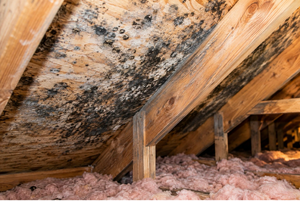
If the attic itself has developed persistent moisture or mold as a result, PuroClean also provides attic mold cleanup in Millville.
It can if drywall, insulation, framing, or other materials remain damp.
That does not mean every ceiling stain automatically becomes a mold problem.
EPA and CDC guidance generally recommends drying wet building materials promptly, often within approximately 24–48 hours when possible, to help reduce the likelihood of mold growth.
That is not a countdown clock.
Material type, temperature, humidity, airflow, and the amount of moisture all affect what happens.
The useful takeaway is:
Do not assume the ceiling is dry just because it stopped dripping.
There is no useful fixed answer.
A small amount of water affecting accessible drywall is different from a ceiling cavity filled with wet insulation after a plumbing failure.
Drying time depends on:
That is why we prefer measurements over promises that every ceiling will be dry in the same number of days.
You do not need to diagnose the loss first.
If you know any of these things, they help:
If all you know is, “There is a brown spot on the ceiling and it got bigger overnight,” tell us that.
That is enough to start.
A tiny old stain from a leak that was repaired years ago is different from an actively wet ceiling.
Professional water-damage cleanup becomes much more useful when:
That is when the problem has moved beyond cosmetic repair.
Stay clear of sagging drywall and electrical fixtures, identify and stop the source if you can do so safely, and have the affected ceiling and surrounding materials evaluated.
Do not assume that is safe. A bulging ceiling may contain water above weakened drywall, and electrical components may be nearby. Keep clear of the area and have it evaluated safely.
No. A stain does not automatically mean replacement is necessary. The drywall’s moisture level, strength, condition, and what is happening above it matter.
Yes. Water can move along framing, insulation, pipes, and the top side of drywall before finding a low point or opening where it becomes visible.
Yes. A pipe failure above the ceiling or on an upper floor can send water through the floor and ceiling assembly below.
Yes. Rainwater can enter through a roof defect, move through the attic, and eventually reach the ceiling below.
Sometimes. It depends on how wet it became, its physical condition, whether insulation above it is wet, the water source, and whether the assembly can be dried effectively.
It may require inspection and moisture evaluation from above or through appropriate access. The ceiling surface alone may not reveal the full condition of the cavity.
Persistent moisture can support mold growth. Promptly correcting the source and drying affected materials helps reduce that risk.
Only after the source has been corrected, the ceiling is dry, and the material remains serviceable. Painting over an active moisture problem only hides the evidence.
Water may have traveled through the ceiling cavity and found the fixture opening as an exit point. Because electricity is involved, stay clear and have the conditions addressed safely.
It depends on the amount of water, materials involved, insulation, cavity access, humidity, and how those materials respond to drying. Moisture measurements provide a better answer than an arbitrary number of days.
A water stain tells you that something happened.
It does not tell you how much of the ceiling assembly is still wet.
Before repainting or replacing anything, answer four questions:
Where did the water come from?
Has the source been stopped?
What above and around the stain is still wet?
Can those materials be dried, or do some of them need to come out?
PuroClean of Vineland provides ceiling water damage cleanup for homeowners and businesses in Millville and surrounding Cumberland County communities.
Call (888) 598-1441 if your ceiling is leaking, stained, sagging, or wet after a plumbing, roof, or other water loss.
What Our Customers Say:
Find answers to common questions about our services
We can reach most Vineland neighborhoods fast because we’re already based here. We know Delsea Drive, Landis Avenue, and the back streets without mapping them. A burst pipe off Wheat Road at 2 a.m. is not a problem. Every hour water sits in your walls, damage gets worse. Mold can start within 48 hours, so speed really does matter.
What are the first signs of a burst pipe?
Look for water spots, sounds of running water, and decreased pressure. Swift identification can prevent extensive damage. You may also notice damp spots on walls or ceilings.
How quickly should I respond to a burst pipe?
Immediate action is critical. Shut off the main water supply and power. This helps to control the situation and reduce water damage. The sooner you react, the less severe the aftermath.
What temporary measures can stabilize the situation?
Use pipe clamps or epoxy to seal leaks. These fixes are only temporary until professionals arrive. Have these materials in your emergency kit for quick response.
Can I prevent pipes from bursting in the future?
Yes, with regular maintenance and inspections. Insulate pipes and monitor high-risk areas. Investing in preventative care is key to avoiding recurring plumbing disasters.
Staying Calm and Proactive in a Water Pipe Crisis
Facing a burst pipe can be overwhelming, but keeping calm is vital. Remember, quick action minimizes damage and expenses. By understanding the emergency response steps, you’re better prepared for any plumbing crisis.
Long-term prevention, regular maintenance, and knowing when to call professionals will safeguard your home. Embrace these habits and make sure to educate family members too. A calm and informed approach will help you navigate and overcome any water pipe crisis confidently.
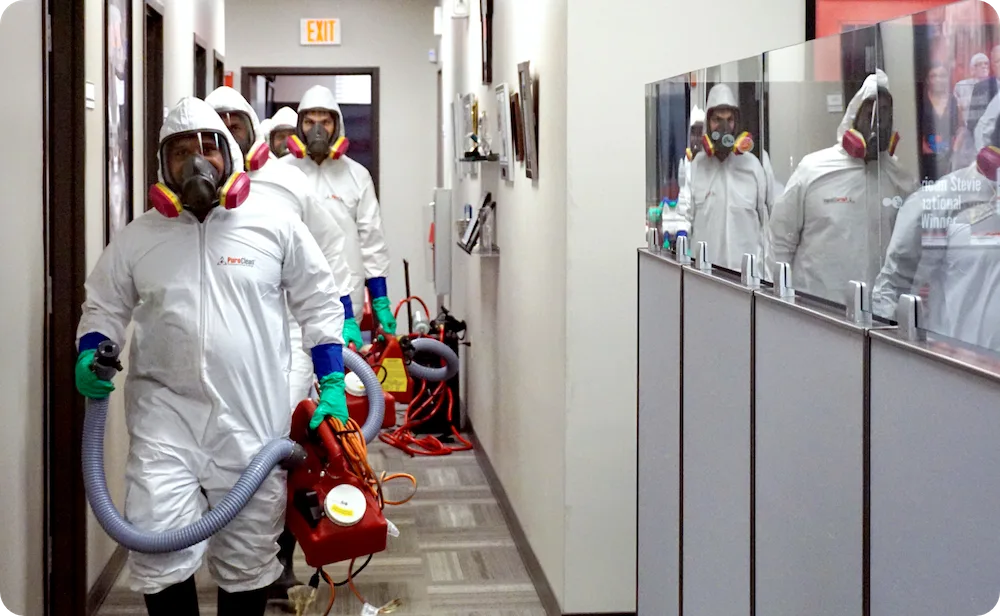
PuroClean of Vineland offers a full suite of commercial restoration services, including water, fire, mold, biohazard, and storm damage recovery. We also provide emergency board-up, structural drying, and reconstruction services.
Our teams are equipped to manage both local and large-loss commercial projects with consistent quality, safety, and communication.
PuroClean of Vineland regularly collaborates with insurance carriers, TPAs, and risk management teams to manage commercial property restoration claims. We provide detailed drying logs, scope documentation, and photo/video reporting for every project in Vineland, NJ.
Our Certified Priority Response (CPR) Program ensures fast contact, on-site inspection within hours, and rapid reporting, meeting the timelines insurers and clients expect for large-scale commercial losses.
PuroClean of Vineland handles nearly every commercial loss scenario, including commercial water damage restoration, fire and smoke damage, mold remediation, sewage cleanup, chemical spills, and biohazard decontamination.
We can also manage full reconstruction when structural repair is needed. Our national network allows us to scale from localized events to large-loss recovery, maintaining consistent quality and communication across every project.
Water damage can result from unexpected leaks, flooding from storms, plumbing failures, or appliance malfunctions. Our certified teams focus on rapid water removal, drying, and stabilization to help prevent further damage and mold growth.
 Explore Our Water Damage Mitigation Services
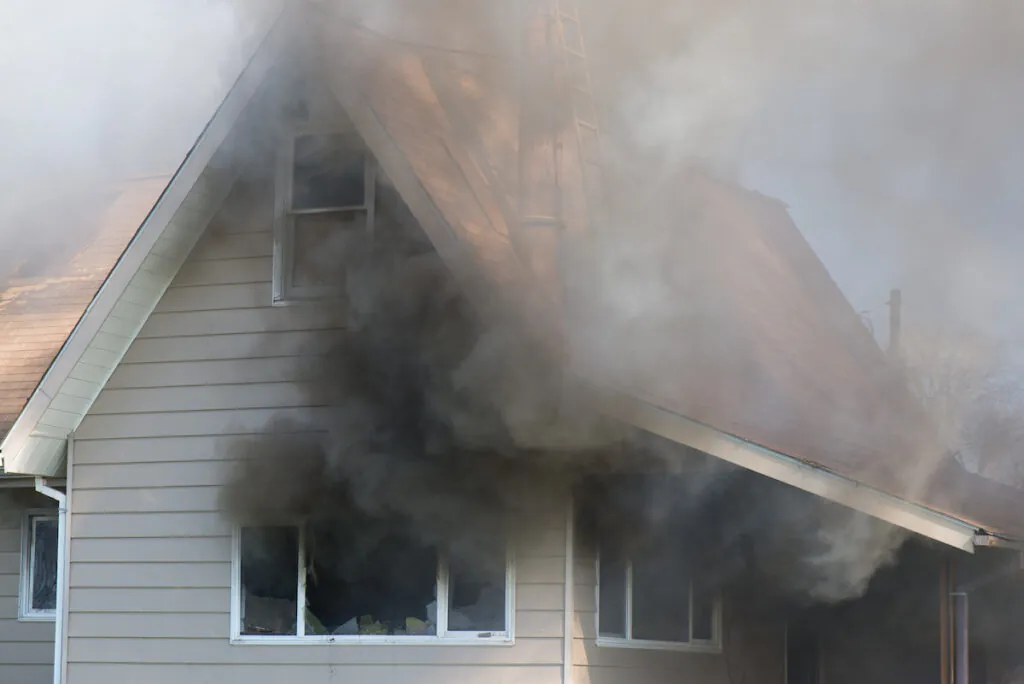
Even after a fire is extinguished, smoke, soot, and odor can continue to affect your home. Fire damage restoration services address visible damage while also helping reduce lingering effects that impact indoor air quality and surfaces.
Explore Our Fire and Smoke Damage Restoration Services
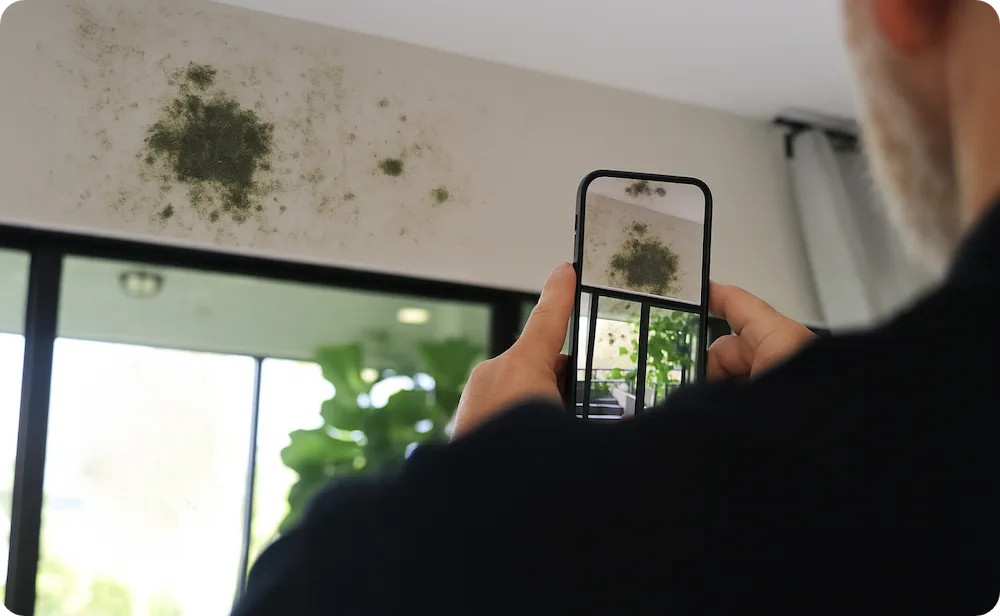
Mold often develops as a result of unresolved moisture or hidden water damage. Professional mold remediation helps identify affected areas, contain growth, and restore healthy indoor conditions.
Explore Our Mold Removal and Remediation Services
Biohazard situations, including crime scene cleanup and virus decontamination, require specialized cleaning and handling to protect health and safety. Biohazard cleanup services address contamination using proper protocols and professional care.
Explore Our Biohazard Cleanup Services
In some cases, property damage requires repairs beyond cleanup and mitigation. Reconstruction services help restore damaged areas of the home after water, fire, or other incidents, supporting a smoother transition from damage to recovery.
Explore Our Reconstruction Services Services
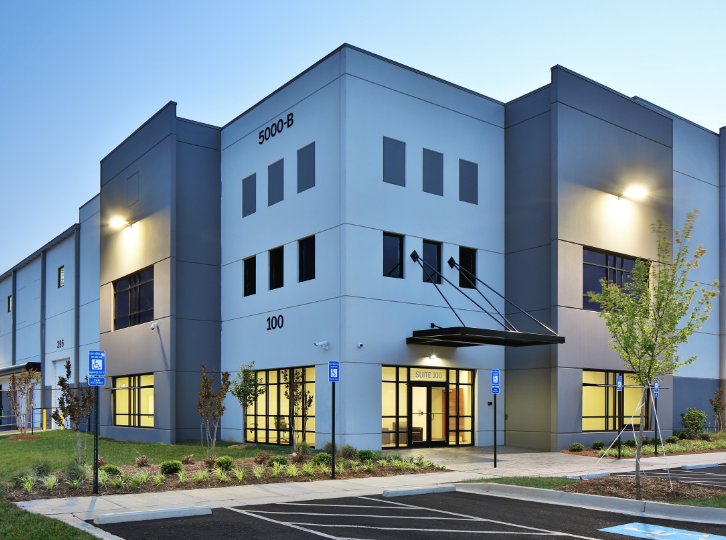
PuroClean provides 24/7 commercial property damage restoration services for businesses and facilities across the United States.
Explore Our Commercial Services
Water damage can result from unexpected leaks, flooding from storms, plumbing failures, or appliance malfunctions. Our certified teams focus on rapid water removal, drying, and stabilization to help prevent further damage and mold growth.
Explore Our Water Damage Mitigation Services


PuroClean of Vineland
(888) 598-1441
3003 N. Mill Road, Building 400, Suite 3, Vineland, NJ 08360

© 2026 PuroClean. All Rights Reserved.