24/7 Emergency sump pump failure cleanup Millville Services in Vineland, NJ
You hear the sump pump running, walk downstairs, and there is still water spreading across the basement floor.
Or worse: you hear nothing at all.
A sump pump failure can turn a normal rainstorm, groundwater event, or thaw into a basement water loss surprisingly quickly. Once the basin fills faster than the system can remove water, the problem is no longer just the pump.
Now the basement is wet.
PuroClean provides professional sump pump failure cleanup in Millville, NJ for homeowners dealing with standing basement water, wet drywall, soaked carpet, damaged contents, saturated lower walls, and hidden moisture after a sump system stops working or cannot keep up.
The sump pump needs to be repaired or restored to service. Our job is to deal with what happened to the basement after the water got out of the pit.
If water is already on the basement floor, resist the urge to immediately walk through it and start moving boxes.
Start with safety and the source.
If there is significant standing water in the basement, our basement water extraction in Millville service addresses the immediate removal and drying side of the loss.
Sometimes the pump itself is dead.
Sometimes the pump is perfectly capable of running but something else in the system prevents it from doing its job.
And sometimes the pump is running exactly as designed — there is simply more water entering the basin than it can remove.
| What You Notice | What May Be Wrong | What to Check |
|---|---|---|
| Pump is completely silent | Power loss, tripped circuit, failed motor, disconnected plug | Power source, breaker, pump condition |
| Pump runs but water keeps rising | Pump may be undersized, failing, clogged, or overwhelmed | Pump output, intake, discharge line, rate of incoming water |
| Pump starts and stops repeatedly | Float problem, short cycling, basin configuration, discharge issue | Float movement and system operation |
| Motor runs but little water leaves | Blocked intake, clogged or frozen discharge, damaged impeller | Pump intake and discharge path |
| Water returns to the basin after pumping | Check valve or discharge problem | Backflow and exterior discharge location |
| Pump stopped during a storm | Power outage or electrical failure | Primary power and backup system |
The restoration side does not require us to guess which internal component failed.
But understanding whether the water source is still active matters before the basement can stay dry.
This is worth emphasizing because homeowners often hear the motor and assume the system must be working.
Not necessarily.
A pump can run while:
The useful test is not simply, “Can I hear the pump?”
It is: Is the water level actually going down?
A sump pump may sit quietly for long periods and then suddenly be asked to work continuously during heavy rain, saturated ground conditions, or a rapid thaw.
That is exactly when a weak pump, power problem, blocked discharge line, or undersized system becomes obvious.
In South Jersey, winter does not eliminate basement-water risk either. Rain can fall on cold or saturated ground, and periods of freezing followed by thawing can move a surprising amount of water toward lower areas around a home.
A system that works fine during an ordinary shower may struggle when groundwater begins entering the sump basin continuously.
The important part is not the pit anymore.
It is everything the overflow touched.
Depending on how far the water spread, moisture may reach:
Replacing the pump does not dry any of those materials.
That is the point where sump repair becomes a water-damage restoration job.
Before drying the basement, we need to know whether the sump system has been restored or whether groundwater is continuing to enter.
If the pump itself needs repair or replacement, a qualified professional should handle that portion of the work.
If water is still actively spreading beyond the basement or affecting multiple areas, our emergency water removal in Millville service addresses the larger active loss.
If water has spread across the basement, the liquid water should generally be removed before structural drying begins.
Mechanical extraction is much more efficient than trying to evaporate standing water with fans.
A one-inch layer of water can affect more than the first inch of the room.
Drywall can wick moisture upward. Carpet padding can hold water underneath the visible surface. Lower wall cavities may remain wet after the floor has been extracted.
We evaluate the affected materials rather than assuming everything ends at the visible water line.
Not every wet material automatically needs to be removed.
And not every wet material should automatically stay.
We look at:
The goal is a defensible scope — not automatically gutting the entire basement and not pretending every material can be saved.
Once excess water has been removed and necessary access established, drying equipment may be used to reduce moisture in affected materials and control humidity.
This is where the difference between “the floor looks dry” and “the basement is actually dry” becomes important.
Moisture measurements help determine whether walls, framing, flooring, and other materials are actually moving toward dry conditions.
A basement should not be declared dry because someone waited three days.
It should be evaluated based on the materials themselves.
Do not automatically assume that it is.
A sump system generally collects groundwater or drainage water entering the basin. Once that water has moved through soil, the foundation area, the sump system, and eventually across a basement floor, its condition may be very different from water coming directly from a clean household supply line.
What the water contacted matters.
If there is any possibility that sewage or wastewater entered the loss, tell the restoration company immediately.
That can materially change cleanup decisions.
Carpet is one of the easiest materials to underestimate after a sump overflow.
The surface can begin feeling better while padding underneath remains saturated.
Whether carpet can remain depends on the source and condition of the water, length of exposure, condition of the carpet and pad, and whether the entire assembly can be cleaned and dried appropriately.
Touching the carpet with your hand does not tell you what is happening underneath it.
Sometimes.
But there is no intelligent rule that says every flooded basement needs drywall removed to an arbitrary height.
Useful questions include:
The scope should follow the actual moisture, not a tape measure alone.
This is one of the most frustrating sump failures because there may be nothing mechanically wrong with the primary pump.
The house loses power during a storm.
The groundwater continues entering the basin.
The pump stops.
The basin fills.
The basement takes the water instead.
A properly selected backup system can provide another layer of protection, depending on the home and sump configuration.
That might involve battery backup or another professionally designed backup option.
It is worth discussing before the next storm rather than after the basement floods again.
A sump pump can be perfectly functional and still have nowhere to send the water.
If an exterior discharge line freezes, becomes blocked, collapses, or otherwise cannot move water away from the building, the pump may run while the basin continues filling.
During cold weather, that is one reason to pay attention to the entire system rather than only the motor sitting inside the pit.
If a separate household plumbing line freezes and bursts, that is a different water loss. See our frozen pipe water damage cleanup in Millville service for that situation.
Yes.
Not every basement flood is groundwater.
Water from an upper-floor pipe can move downward through walls, framing, and utility penetrations before collecting in the basement.
If the water appeared suddenly without rain and your sump pit does not appear to be the source, plumbing should be considered.
For a confirmed plumbing rupture, see our burst pipe water damage cleanup in Millville service.
It can if basement materials remain damp.
That does not mean every sump overflow automatically becomes a mold remediation project.
It means the affected materials need to be found and dried.
EPA and CDC guidance generally recommends drying wet building materials promptly, often within approximately 24–48 hours when possible, to help reduce the likelihood of mold growth.
That is not a stopwatch.
Temperature, humidity, material type, airflow, and the amount of moisture all affect what happens.
The useful lesson is simply:
Do not stop at pumping out the basement. Find what is still wet afterward.
Not by walking across the floor in socks.
Not because the concrete changed color.
And not because the basement has been running fans for a predetermined number of days.
The basement may contain several different materials, each of which dries differently.
Moisture measurements help determine whether affected materials are actually responding to drying.
The calendar can tell you how long equipment has been running.
It cannot tell you whether the inside of the wall is dry.
You do not need to become a sump pump technician.
But a few basic checks before heavy weather can reveal obvious problems.
If the pump behaves strangely during a test, address it before the storm rather than assuming it will work when the basin starts filling quickly.
A sump pump technician may solve the mechanical problem.
You need restoration help when the mechanical failure has already become a building-water problem.
That generally means situations such as:
That is the handoff point:
Fix the sump system. Then fix what the water did.
Determine whether the basement is safe to enter, check whether water is rising, and have the sump system evaluated. If water has already spread into the basement, begin addressing extraction and drying as well.
Possible reasons include a power outage, failed motor, stuck float, clogged intake, blocked discharge line, electrical problem, or simply more incoming water than the system can handle.
Yes. A blocked discharge, damaged pump component, undersized system, excessive groundwater, or water recirculating back toward the foundation can all create that situation.
A qualified sump pump, plumbing, or appropriate mechanical professional should diagnose and repair the sump system itself. PuroClean handles the resulting water extraction, drying, cleanup, and restoration.
That depends on how much water escaped and what became wet. Once drywall, insulation, carpet padding, flooring, or wall cavities are involved, replacing the pump does not address moisture already inside those materials.
Not automatically. The condition and source of the water, saturation level, duration of exposure, and ability to clean and dry the carpet and padding all matter.
No. The decision depends on its physical condition, moisture level, what is behind it, the water source, and whether the wall assembly can be effectively dried.
Persistent moisture can support mold growth. Prompt extraction and drying reduce the amount of time basement materials remain wet.
A backup system can provide additional protection when the primary pump loses power or fails, but the appropriate setup depends on the home’s sump configuration and water load. Have the system evaluated by a qualified professional.
Repeated failures deserve investigation beyond simply replacing the same component again. Pump capacity, power reliability, discharge routing, groundwater load, basin configuration, and the backup system may all need to be considered.
The system may be overwhelmed, water may be entering somewhere outside the sump system, or there may be a problem with the discharge. The source needs to be identified rather than assuming the pump itself is always responsible.
It depends on how much water entered, how long it remained, which materials became wet, whether finished walls or flooring are involved, and how those materials respond to drying. Moisture conditions are more useful than a fixed number of days.
A failed sump pump creates two separate jobs.
First, get the sump system working again.
Second, deal with the water that escaped while it was not working.
Do not stop at the first one.
PuroClean of Vineland provides sump pump failure cleanup and water-damage restoration for homeowners and businesses in Millville and surrounding Cumberland County communities.
We can remove standing water, determine how far moisture traveled, evaluate affected basement materials, establish appropriate drying equipment, and monitor the affected areas as they dry.
Call (888) 598-1441 if your sump pump failed and water has entered your basement.
What Our Customers Say:
Find answers to common questions about our services
You can check the walls and ceilings for water stains, the floors for warping and buckling, and the pipes for corrosion, leaks, missing grout, and mold. Attics and basements may have damaged flooring, mildew or mold, dampness, and odors. Also, be sure to inspect the exterior of the home for cracked roof tiles, puddles, standing water, and whether the ground is sloping away from the house.
First, if safe, shut off the utilities in your home to avoid further damage. Don’t enter your home if it has suffered structural damage. Don’t walk through floodwater if electricity hasn’t been turned off, and avoid contaminants. Next, contact a water-damage restoration company, such as PuroClean of Vineland, as soon as possible. Don’t wait, as water can cause mold and irremediable damage to the wood, walls, and carpet. Then, depending on the extent of the damage and the recommendation of the remediation company, contact your insurance provider to start the claim process.
There are many variables that determine whether a flooded property can be saved: the amount of water, and even more important, the amount of time the water was in/around the property. Every situation is different, and PuroClean of Vineland expert restoration professionals can determine what can be salved once one site.
Property water damage can pose several dangers including structural instability, electrical hazards, mold and mildew growth leading to health issues, contamination from sewage or chemicals, and potential collapse of weakened structures.
Water flooding can cause extensive damage including structural damage to walls, floors, and foundations, damage to personal belongings, electrical hazards, and potential health risks from mold and bacteria growth. The longer water sits, the more severe the damage becomes.
Water damage can result from unexpected leaks, flooding from storms, plumbing failures, or appliance malfunctions. Our certified teams focus on rapid water removal, drying, and stabilization to help prevent further damage and mold growth.
 Explore Our Water Damage Mitigation Services
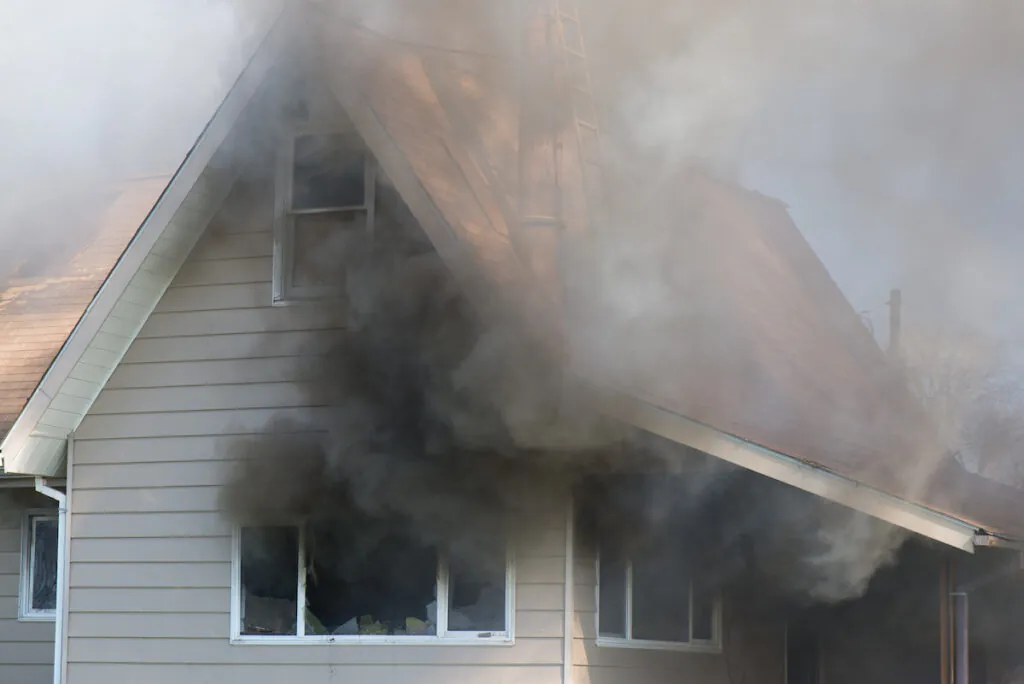
Even after a fire is extinguished, smoke, soot, and odor can continue to affect your home. Fire damage restoration services address visible damage while also helping reduce lingering effects that impact indoor air quality and surfaces.
Explore Our Fire and Smoke Damage Restoration Services
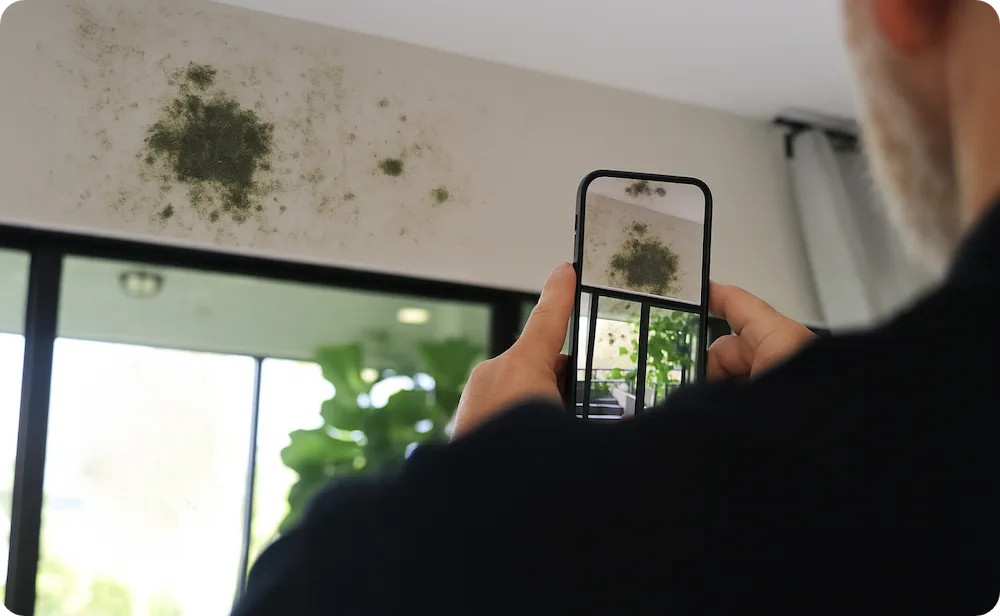
Mold often develops as a result of unresolved moisture or hidden water damage. Professional mold remediation helps identify affected areas, contain growth, and restore healthy indoor conditions.
Explore Our Mold Removal and Remediation Services
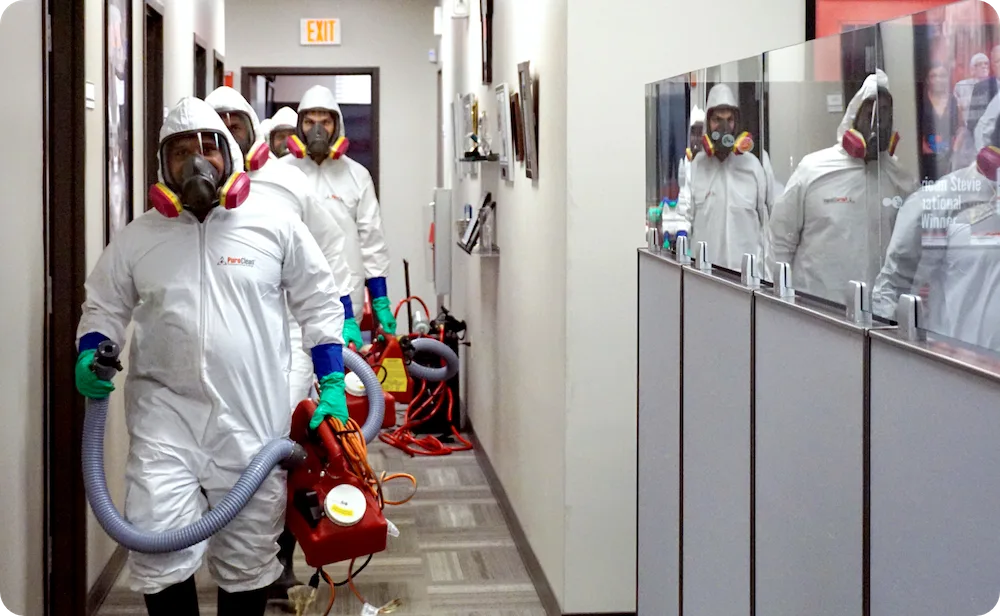
Biohazard situations, including crime scene cleanup and virus decontamination, require specialized cleaning and handling to protect health and safety. Biohazard cleanup services address contamination using proper protocols and professional care.
Explore Our Biohazard Cleanup Services
In some cases, property damage requires repairs beyond cleanup and mitigation. Reconstruction services help restore damaged areas of the home after water, fire, or other incidents, supporting a smoother transition from damage to recovery.
Explore Our Reconstruction Services Services
PuroClean provides 24/7 commercial property damage restoration services for businesses and facilities across the United States.
Explore Our Commercial Services
Water damage can result from unexpected leaks, flooding from storms, plumbing failures, or appliance malfunctions. Our certified teams focus on rapid water removal, drying, and stabilization to help prevent further damage and mold growth.
Explore Our Water Damage Mitigation Services


PuroClean of Vineland
(888) 598-1441
3003 N. Mill Road, Building 400, Suite 3, Vineland, NJ 08360

© 2026 PuroClean. All Rights Reserved.