24/7 Emergency Water Heater Leak Cleanup Venice Services in Vineland, NJ
A leaking or failed water heater can release enough water to damage flooring, drywall, insulation, framing, and nearby rooms. If the unit is located in a basement, utility room, garage, or finished living area, water may spread beneath flooring, behind walls, or into adjoining spaces before the problem is discovered.
PuroClean of Vineland provides professional water heater leak cleanup in Vineland, NJ for homes affected by leaking tanks, failed supply lines, damaged fittings, drain valve leaks, pressure-related failures, and other water heater problems.
Our restoration process can include water extraction, moisture detection, evaluation of affected materials, structural drying, and ongoing moisture monitoring after the plumbing source has been addressed.
Water heaters can leak suddenly or develop smaller leaks over time.
Common causes include:
The water heater itself should be repaired or replaced by an appropriate plumbing professional. PuroClean focuses on the water damage that remains after the source has been stopped.
A major tank failure is usually obvious, but smaller leaks may continue for some time before the damage becomes noticeable.
Possible warning signs include:
Water may also travel beneath finished flooring or behind walls before visible surface damage appears.
If your water heater is actively leaking, reduce additional damage only when it is safe to do so.
If the failure has released substantial standing water, PuroClean provides emergency water removal in Vineland.
The cleanup process depends on how much water escaped, how long the leak was active, where the water heater is located, and which building materials were affected.
The first step is determining how far water has traveled from the water heater.
Inspection may include:
The leaking tank, valve, supply line, or plumbing connection should be repaired or isolated so additional water does not continue entering the property.
Professional extraction equipment can remove standing water from floors, basements, carpet, and other affected areas.
Moisture detection can help identify water beneath flooring, behind baseboards, inside drywall, and within other concealed materials.
Drywall, flooring, carpet, insulation, trim, cabinetry, and other materials are evaluated based on their condition, degree of saturation, and ability to be effectively dried.
Commercial air movers and dehumidification equipment may be used to address moisture remaining inside affected building materials.
Learn more about our structural drying in Vineland.
Moisture readings can be used throughout the drying process to determine whether affected materials are progressing toward appropriate moisture conditions.
Water heaters are commonly installed in basements, which means a tank or plumbing failure can quickly become a basement water damage problem.
Water may spread across concrete or finished flooring and soak drywall, insulation, framing, carpet, storage areas, and other materials.
If a water heater failure causes widespread basement flooding, PuroClean provides basement flood cleanup in Vineland.
When substantial standing water remains, our basement water extraction in Vineland service focuses on removing water and locating hidden moisture throughout the affected basement.
Water can move beyond the visible puddle around the water heater.
Hidden moisture may remain:
A floor or wall may appear dry while moisture remains inside the surrounding assembly.
Removing standing water does not necessarily remove moisture already absorbed into flooring, drywall, insulation, framing, and other materials.
Controlled airflow, dehumidification, moisture detection, and monitoring can help address water remaining inside the structure after the water heater has been repaired or replaced.
Drying is especially important when the leak continued for an extended period or water migrated into concealed spaces.
Water heater leaks can affect several types of finished and structural materials.
Water can spread beneath carpet and become trapped inside padding and the subfloor below.
Water may migrate beneath individual flooring sections and affect both the finished material and underlying subfloor.
Drywall can absorb water from the floor upward, while baseboards and trim may swell, separate, or retain moisture against the wall.
Sill plates, wall studs, and other wood components may absorb moisture when water remains against the base of a wall or spreads into concealed spaces.
Yes. A water heater leak can leave drywall, insulation, flooring, framing, and other porous materials damp.
EPA and CDC guidance generally recommends drying wet materials within approximately 24 to 48 hours when possible to help reduce the likelihood of mold growth.
If visible mold, musty odors, or recurring moisture develop after a water heater leak, PuroClean also provides mold remediation in Vineland.
A major water heater tank failure can release a substantial amount of water in a short period of time.
If the unit is located in a basement, utility room, finished living area, or upper floor, water can quickly spread into adjoining rooms and concealed building materials.
A larger loss may affect:
If water has spread through several areas of the property, PuroClean also provides flooded house cleanup in Vineland.
Water heater failures and appliance leaks can create similar restoration problems because both may release water beneath flooring, behind cabinets, and into adjoining rooms.
Water heaters can be especially disruptive because storage-tank units may contain a significant volume of water in addition to water supplied through the connected plumbing system.
Other appliance-related water losses may involve washing machines, dishwashers, refrigerators, ice makers, and connected supply lines.
Learn more about our appliance leak water damage cleanup in Vineland.
Water can continue moving through porous and concealed materials after the water heater has been shut off.
Prompt cleanup can help:
A relatively small visible puddle may not show how far water has traveled beneath flooring or behind walls.
Coverage depends on the cause of the loss and the terms of the individual insurance policy.
Water damage resulting from a sudden tank failure, broken supply line, or other unexpected plumbing event may be treated differently from damage associated with long-term leakage, corrosion, maintenance issues, or other excluded conditions.
Coverage for the damaged water heater itself may also differ from coverage for resulting water damage to the home.
Homeowners should document visible damage with photographs and video when it is safe to do so and contact their insurance carrier to determine what coverage applies.
PuroClean can document affected materials, moisture conditions, water extraction, drying progress, and restoration work performed during the cleanup process.
PuroClean of Vineland provides professional cleanup after leaking, ruptured, or failed water heaters and related plumbing problems.
Our process focuses on both visible water and moisture that may have traveled into concealed building materials.
PuroClean of Vineland provides water heater leak cleanup, water extraction, moisture detection, structural drying, and related water damage restoration services throughout Vineland and surrounding South Jersey communities.
Whether a water heater has created a small localized leak or released water throughout a basement or adjoining rooms, our team can evaluate the affected area and develop an appropriate cleanup and drying plan.
Water heater failures can overlap with several other residential water damage situations. Related services include:
Shut off the water supply when it is safe and practical, avoid electrical hazards, move belongings away from spreading water, contact a plumbing professional to address the water heater, and have resulting water damage evaluated.
Yes. A significant tank or plumbing failure can release enough water to spread across a basement and affect flooring, drywall, insulation, framing, and stored belongings.
A plumbing professional should repair or replace the water heater. A water damage restoration company can address standing water, hidden moisture, structural drying, and resulting property damage.
Yes. Water can travel beneath carpet, laminate, engineered flooring, vinyl, and other finished flooring and may affect the subfloor below.
No. Replacing or repairing the unit stops additional water, but flooring, drywall, insulation, framing, and other materials may still require water extraction and structural drying.
Drying time depends on the amount of water, materials affected, humidity, airflow, temperature, and how far moisture migrated into concealed areas. More extensive losses may require several days of drying and monitoring.
Yes. Water heater leaks can leave porous materials damp. Prompt water removal and structural drying can help reduce conditions that support mold growth.
No. Whether drywall can be dried or requires removal depends on the amount of water, duration of exposure, condition of the material, water source, and whether it can be effectively restored.
Coverage depends on the cause of the loss and the individual policy. A sudden water heater or plumbing failure may be treated differently from long-term leakage, deterioration, or maintenance-related damage.
Yes. PuroClean can provide water extraction, moisture detection, structural drying, and cleanup when a failed water heater affects a basement, utility room, flooring, walls, or multiple areas of the home.
If a leaking or failed water heater has caused standing water, wet flooring, damaged drywall, basement flooding, or moisture in adjoining rooms, PuroClean of Vineland can provide professional water removal, moisture detection, and structural drying.
Stopping the water heater leak is only the first step. Proper cleanup and drying help address moisture that may already have spread into the surrounding structure.
What Our Customers Say:
Find answers to common questions about our services
You can check the walls and ceilings for water stains, the floors for warping and buckling, and the pipes for corrosion, leaks, missing grout, and mold. Attics and basements may have damaged flooring, mildew or mold, dampness, and odors. Also, be sure to inspect the exterior of the home for cracked roof tiles, puddles, standing water, and whether the ground is sloping away from the house.
First, if safe, shut off the utilities in your home to avoid further damage. Don’t enter your home if it has suffered structural damage. Don’t walk through floodwater if electricity hasn’t been turned off, and avoid contaminants. Next, contact a water-damage restoration company, such as PuroClean of Vineland, as soon as possible. Don’t wait, as water can cause mold and irremediable damage to the wood, walls, and carpet. Then, depending on the extent of the damage and the recommendation of the remediation company, contact your insurance provider to start the claim process.
There are many variables that determine whether a flooded property can be saved: the amount of water, and even more important, the amount of time the water was in/around the property. Every situation is different, and PuroClean of Vineland expert restoration professionals can determine what can be salved once one site.
Property water damage can pose several dangers including structural instability, electrical hazards, mold and mildew growth leading to health issues, contamination from sewage or chemicals, and potential collapse of weakened structures.
Water flooding can cause extensive damage including structural damage to walls, floors, and foundations, damage to personal belongings, electrical hazards, and potential health risks from mold and bacteria growth. The longer water sits, the more severe the damage becomes.
Water damage can result from unexpected leaks, flooding from storms, plumbing failures, or appliance malfunctions. Our certified teams focus on rapid water removal, drying, and stabilization to help prevent further damage and mold growth.
 Explore Our Water Damage Mitigation Services
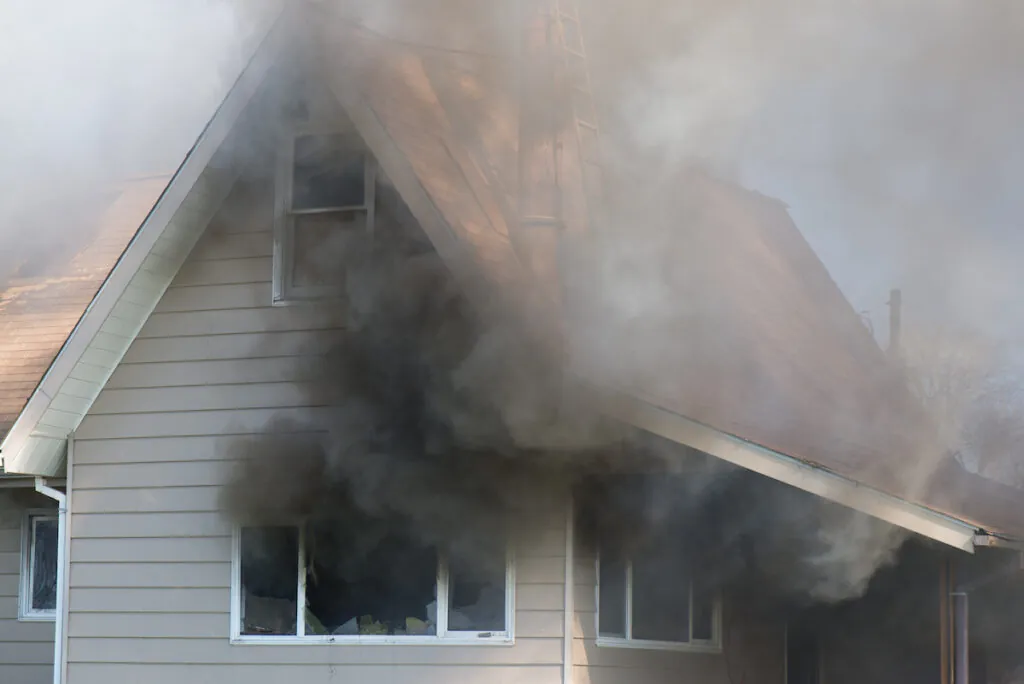
Even after a fire is extinguished, smoke, soot, and odor can continue to affect your home. Fire damage restoration services address visible damage while also helping reduce lingering effects that impact indoor air quality and surfaces.
Explore Our Fire and Smoke Damage Restoration Services
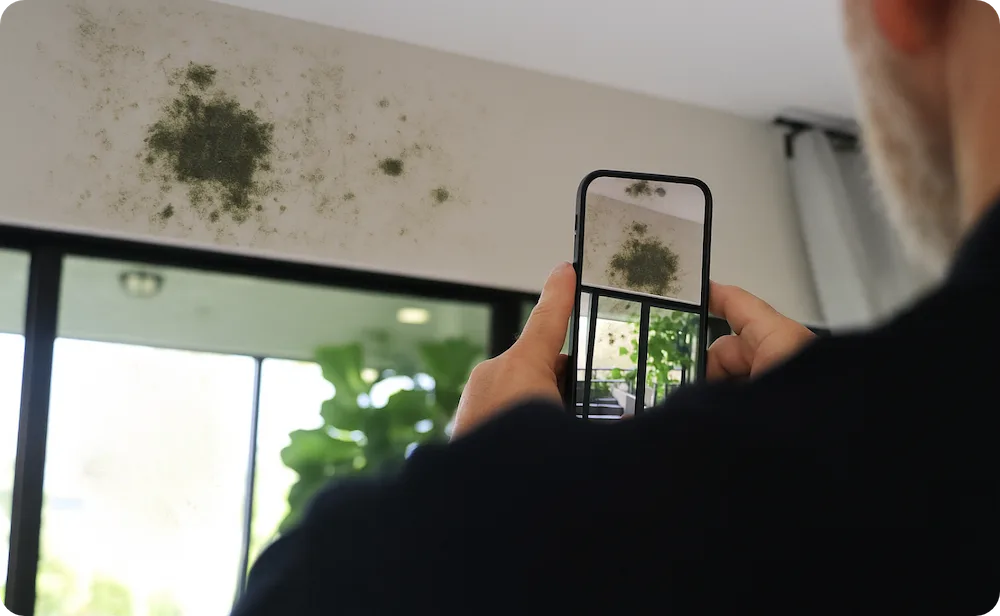
Mold often develops as a result of unresolved moisture or hidden water damage. Professional mold remediation helps identify affected areas, contain growth, and restore healthy indoor conditions.
Explore Our Mold Removal and Remediation Services
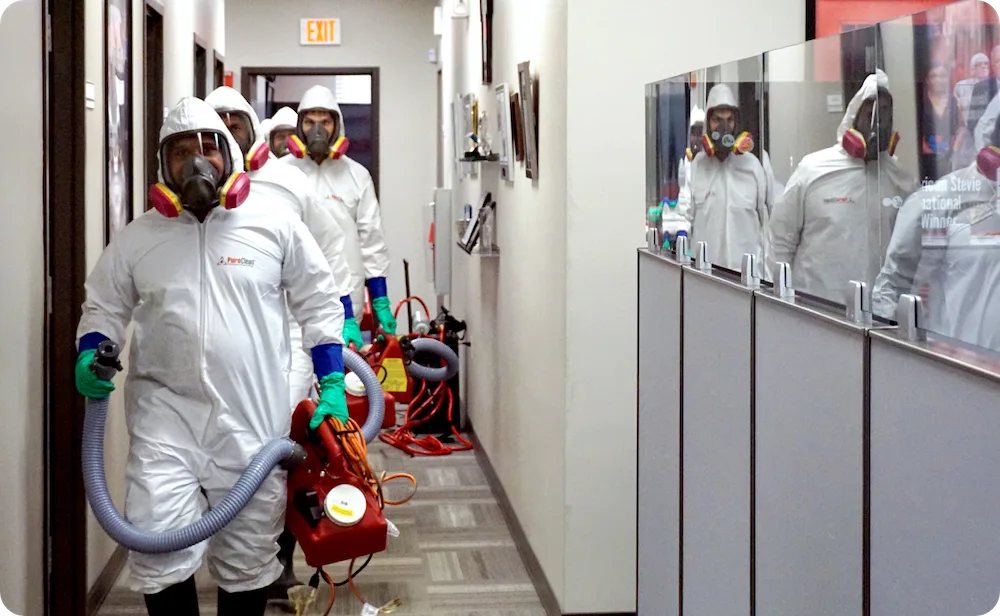
Biohazard situations, including crime scene cleanup and virus decontamination, require specialized cleaning and handling to protect health and safety. Biohazard cleanup services address contamination using proper protocols and professional care.
Explore Our Biohazard Cleanup Services
In some cases, property damage requires repairs beyond cleanup and mitigation. Reconstruction services help restore damaged areas of the home after water, fire, or other incidents, supporting a smoother transition from damage to recovery.
Explore Our Reconstruction Services Services
PuroClean provides 24/7 commercial property damage restoration services for businesses and facilities across the United States.
Explore Our Commercial Services
Water damage can result from unexpected leaks, flooding from storms, plumbing failures, or appliance malfunctions. Our certified teams focus on rapid water removal, drying, and stabilization to help prevent further damage and mold growth.
Explore Our Water Damage Mitigation Services


PuroClean of Vineland
(888) 598-1441
3003 N. Mill Road, Building 400, Suite 3, Vineland, NJ 08360

© 2026 PuroClean. All Rights Reserved.