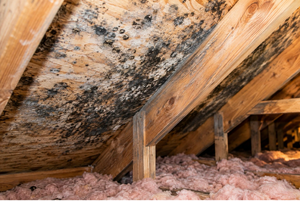
24/7 Emergency Crawl Space Mold Cleanup Millville Services in Vineland, NJ
Most homeowners do not spend much time thinking about the crawl space.
Then somebody goes under the house.
A plumber sees dark growth on the floor joists. An HVAC technician notices wet insulation. A home inspector finds a musty crawl space. Or you open the access door yourself and immediately notice that earthy, damp smell.
Sometimes there is standing water.
Sometimes the soil is dry when you look, but the wood overhead tells a different story.
PuroClean provides professional crawl space mold cleanup in Millville, NJ for homes dealing with mold on floor framing, damp insulation, groundwater intrusion, plumbing leaks, condensation, high humidity, and other moisture problems beneath the home.
The mold matters.
But the better first question is:
Why is the crawl space wet enough for mold to keep growing there?
It may feel separate from the rooms where you live, but a crawl space is part of the building.
Above it may be your kitchen, living room, bedrooms, plumbing, ductwork, insulation, subfloor, and the wooden framing carrying the floor.
Below it may be exposed soil, a concrete or masonry floor, foundation walls, drainage pathways, plumbing lines, and mechanical equipment.
That makes the crawl space a meeting point for several different moisture sources.
When one of those sources gets out of control, the first thing you see may be mold on the wood.
But the wood did not create the water.
Before deciding how to clean the mold, figure out how the space became damp.
| What You Notice | Possible Moisture Source | What to Check Next |
|---|---|---|
| Bare soil feels damp or smells earthy | Ground moisture moving into the crawl-space air | Ground cover, drainage, standing water, humidity |
| Water appears after heavy rain | Exterior drainage or groundwater intrusion | Grading, downspouts, foundation perimeter, low areas |
| One isolated section of framing is wet | Possible plumbing leak | Supply, drain, fixture, or appliance plumbing above |
| Ductwork or pipes repeatedly sweat | Condensation from humid air meeting cold surfaces | Humidity, insulation, duct condition, air leakage |
| Fiberglass insulation is sagging or falling | Moisture exposure, installation problems, or both | Condition of insulation and framing behind it |
| Mold is widespread across joists rather than near one leak | Broader crawl-space humidity or moisture condition | Ground moisture, ventilation strategy, drainage, humidity |
| Wastewater or strong sewage odor is present | Drain, sewer, or wastewater leak | Plumbing source and contamination extent |
Sometimes there is one obvious answer.
Sometimes there are three smaller problems working together.
That is common in crawl spaces.
One of the easiest assumptions to make is that a damp crawl space simply needs more outside air.
Sometimes ventilation is part of the design.
But opening vents is not a universal cure for moisture.
During humid New Jersey weather, the outside air itself may contain a large amount of moisture. If that air moves into a cooler crawl space, relative humidity can rise and condensation can develop on cold surfaces.
That is why you can have a crawl space with no obvious pipe leak and still find damp joists, sweating ductwork, wet insulation, or mold growth.
The real question is not:
“Are the vents open?”
It is:
“What moisture-control strategy was this crawl space designed around, and is that strategy actually working?”
This surprises homeowners.
The soil does not need to have puddles on top of it to contribute moisture to the crawl space.
Moisture in the ground can migrate upward and evaporate into the crawl-space air.
That is one reason ground vapor barriers are commonly used in crawl spaces with exposed soil.
A properly installed ground cover can reduce the amount of soil moisture entering the space.
But the plastic is not magic.
If rainwater is pouring underneath the house, a pipe is leaking, or groundwater is collecting around the foundation, simply putting plastic over the dirt does not solve the entire problem.
Look at the condition of it.
A ground cover that exists and a ground cover that is actually doing its job are not necessarily the same thing.
Look for:
If you find a puddle sitting on top of the vapor barrier, you still have to ask where that water came from.
The plastic may be showing you the problem rather than causing it.
Rain should move away from the house.
When it does not, the crawl space can become the collection point.
Walk around the exterior after a substantial rain and look at the basic water route.
Ask:
You do not have to design a drainage system yourself.
But if every crawl-space moisture problem appears beneath the same corner where a downspout dumps beside the foundation, that is useful information.
A crawl-space plumbing leak does not always announce itself inside the home.
A small leak can drip underneath the floor for weeks while everything upstairs looks normal.
Possible clues include:
If one side of the crawl space looks dramatically different from the rest, do not automatically blame general humidity.
Look above it.
During cooling season, HVAC ducts running through a humid crawl space can become much colder than the surrounding air.
When warm, moisture-laden air meets a sufficiently cold surface, condensation can occur.
Sometimes what looks like a plumbing leak is actually water forming on ductwork, piping, or nearby surfaces.
If you see repeated condensation, ask whether:
Again, the mold may be the thing you noticed.
The moisture mechanism is what needs solving.
The obvious answer is wood.
Floor joists, subflooring, rim areas, beams, and other framing can all collect dust and organic material and can support mold growth when moisture conditions allow.
But crawl-space mold can also involve or appear around:
The material matters because remediation is different for sound structural lumber than it is for wet fiberglass insulation or decomposing cardboard.
No.
Mold growth on wood does not automatically mean the framing is structurally ruined.
Structurally sound lumber can often be evaluated for cleaning.
The bigger questions are:
If framing appears soft, significantly deteriorated, damaged, or structurally questionable, that is no longer just a mold-cleaning decision.
The appropriate construction or structural professional may need to evaluate it.
Homeowners often use the words interchangeably because both may involve damp-looking wood.
They are not the same diagnosis.
Visible fungal growth does not automatically mean the joist has lost structural strength.
At the same time, wood that has remained wet for a prolonged period deserves more than a cosmetic cleaning.
If the framing feels soft, crumbles, shows obvious deterioration, or has otherwise lost integrity, the condition of the wood itself needs evaluation.
Do not replace perfectly serviceable framing just because it has surface mold. Do not keep compromised framing just because somebody managed to clean the color off it.
Insulation can make a crawl-space inspection surprisingly deceptive.
Fiberglass batts may hide the bottom of the subfloor and much of the joist cavity.
If insulation becomes wet, contaminated, heavily soiled, or begins falling apart, keeping it in place may make it difficult to inspect and remediate the framing behind it.
Things worth checking include:
If insulation has to be removed, do not rush to put new insulation back before the crawl space is dry and the underlying moisture problem has a plan.
The crawl space is below the living area, but it is rarely separated from the home by a perfectly airtight floor.
There may be penetrations around plumbing, wiring, ductwork, framing, access doors, and other openings.
Air and moisture can move through those pathways.
That is one reason a persistent crawl-space moisture problem should not be dismissed simply because nobody sleeps under the house.
At the same time, a restoration contractor should not diagnose medical symptoms or tell you that every indoor-air complaint is being caused by the crawl space.
If someone in the home has health concerns, discuss those concerns with a qualified healthcare professional.
Our job is to evaluate the building conditions we can actually observe.
The crawl space is one reasonable place to investigate.
Not the only place.
If the odor seems strongest near the first floor, floor registers, plumbing penetrations, closets, or the crawl-space access, it may be worth looking underneath.
Other possibilities still exist, including:
A musty smell tells you to investigate.
It does not tell you where to start demolition.
There is no honest way to say, “Millville houses have crawl spaces,” as though every home in the city shares the same foundation.
They do not.
Local housing includes a mix of ages, styles, additions, foundation types, renovations, and mechanical configurations.
A crawl space under an older section of a home may even connect to a basement or slab addition built decades later.
That matters because moisture may not respect the renovation history.
Water can enter beneath one section of the building and affect framing somewhere else.
Citywide housing statistics can tell us a lot about Millville.
They cannot tell us whether your crawl space has exposed soil, a vapor barrier, plumbing overhead, HVAC equipment, standing water, or a drainage problem.
That requires looking at the house.
Before deciding what to clean, remove, or seal, we want to understand the moisture story.
That can mean looking for:
If that question is skipped, the mold cleanup starts with a handicap.
A plumbing leak below one bathroom may produce a very different pattern from high humidity affecting framing throughout the crawl space.
We look at the distribution.
Where does the growth start?
Where does it stop?
Which materials are involved?
What areas are still damp?
Access matters in a crawl space.
Wet insulation, abandoned cardboard, debris, damaged vapor barrier, and other materials may prevent proper cleaning or hide affected framing.
Material removal should have a reason.
We do not remove structural lumber simply because it is inconvenient to clean.
We also do not leave contaminated, deteriorated, or non-restorable material in place just because removal is inconvenient.
Cleaning mold means disturbing moldy surfaces.
Depending on the scope and crawl-space configuration, controls may be used to reduce the movement of dust and debris into unaffected areas.
Structurally sound wood and other appropriate materials can be cleaned using methods matched to the surface and condition.
The goal is not to make every piece of lumber look brand-new.
The goal is to address the mold contamination on materials that can remain.
A clean crawl space that remains damp is not finished.
Wood framing and other retained materials should be allowed to dry appropriately before insulation, liners, or other materials conceal them again.
Moisture readings are more useful than saying, “It has been three days, so it must be dry.”
The answer depends on what caused the problem.
It may involve work by other trades or contractors.
Possible pieces can include:
The exact answer should follow the house.
Not every moldy crawl space automatically needs an encapsulation system.
Encapsulation can be a useful part of moisture control in the right crawl space.
But it should answer a building problem, not simply be sold as an expensive accessory to mold cleanup.
Before deciding, ask:
A liner should not be used to make an unresolved water problem disappear from sight.
Maybe.
Maybe not.
More outside air sounds like an obvious drying strategy until that outside air is warm and humid.
In those conditions, ventilation can introduce additional moisture rather than remove it.
That is why crawl-space ventilation should be considered as part of the overall foundation and moisture-control design rather than treated as a one-step mold cure.
If someone proposes opening every vent as the entire solution, ask what happens on a humid August day.
Do not begin with mold treatment while water is still collecting beneath the house.
First figure out where the water is coming from and stop or manage the active source.
If the event is part of a broader active water loss, PuroClean also provides emergency water removal in Millville.
Once the water source is under control, the crawl space can be evaluated for drying and mold remediation.
Tell us before anyone treats it like an ordinary mold job.
A broken drain or sewage release introduces a contamination issue in addition to moisture and mold.
Soil, insulation, wood, debris, and other materials may require a different cleanup approach depending on what wastewater contacted.
For a sewage-related loss, see our sewage backup cleanup in Millville service.
The biology may be similar.
The building problem often is not.
A finished basement may have drywall, carpet, cabinets, furniture, and conditioned living space.
A crawl space may have exposed framing, soil, insulation, ducts, foundation vents, plumbing, and very limited access.
Those differences change how moisture behaves and how remediation is performed.
If the affected lower level is actually a basement, see our basement mold remediation in Millville service.
Again, the moisture story is different.
Attic mold often leads us toward roof leaks, winter condensation, air leakage from the living space, insulation, and exhaust ventilation.
Crawl-space mold sends us downward toward soil moisture, drainage, plumbing, humidity, condensation, and foundation conditions.
If the growth is on roof sheathing or attic framing, see our attic mold cleanup in Millville page.
Not automatically.
If visible mold growth is already present across the framing and the crawl space is clearly damp, a laboratory result may not answer the most pressing questions.
You already need to determine:
Testing can make sense when there is a specific unanswered question and the result will affect the remediation plan.
A useful question before ordering any test is:
What are we going to do differently depending on the result?
No reliable remediation plan should depend on somebody looking at a patch and confidently naming the species from color alone.
White, black, gray, green, or brown growth can have different causes and appearances.
For the building, the practical questions remain the same:
A spray bottle does not fix a wet crawl space.
Even if a product changes the appearance of the visible growth, you still have to address:
the moisture source, the affected material, the extent of contamination, and whether the space will remain dry.
Cleaning methods should be selected for the material and project conditions rather than based on one household chemical being treated as a universal mold solution.
Coatings have specific uses, but they should not become a shortcut around cleaning and drying.
Before covering structural wood, ask:
Making the wood uniformly white or dark does not prove that the crawl space is fixed.
There is no exact hour when a wet joist suddenly becomes a mold problem.
EPA and CDC guidance generally recommends drying wet building materials within approximately 24–48 hours when possible to help reduce the likelihood of mold growth.
That is practical guidance, not a countdown timer.
Temperature, humidity, airflow, material type, and how wet the material became all affect what happens.
The useful takeaway is simple:
If the crawl space gets wet, do not leave it wet because nobody can see it from the living room.
Not because the ground looks dry.
Not because the odor has improved.
Not because new plastic has been installed.
And not because a certain number of days have passed.
The framing itself needs to be evaluated.
Moisture measurements can help determine whether wood and other affected materials have actually responded to drying.
This is especially useful before installing new insulation or closing up areas that will become difficult to inspect again.
It can if the crawl space returns to the same moisture conditions.
If the original cause was:
Mold cleanup deals with what already grew. Moisture control determines whether you have to do the job again.
There is no meaningful flat price for “a moldy crawl space.”
A small accessible section below one plumbing leak is not the same project as widespread mold across the framing of the entire house.
Cost can change based on:
A contractor should be able to explain why each major part of the scope exists.
Sometimes, depending on the policy and the cause of the loss.
Mold following a sudden covered plumbing event may be handled differently from mold related to long-term groundwater, chronic humidity, recurring seepage, or maintenance conditions.
If insurance may be involved, document what you find before everything is disturbed.
Useful records can include:
Do not assume all mold is covered.
Do not assume all mold is excluded.
The cause and policy language matter.
If the only explanation you get is, “We spray everything and seal it,” ask more questions.
If mold is limited to the crawl space, this service is designed around the conditions underneath the home.
If you are also finding mold inside walls, bathrooms, several rooms, the basement, or other parts of the property, the problem may require a broader assessment.
See our mold remediation in Millville service for a whole-property mold and moisture problem.
Mold requires moisture. Common crawl-space moisture sources include exposed damp soil, groundwater, rainwater intrusion, plumbing leaks, condensation, elevated humidity, and wet building materials.
Moisture can migrate from exposed soil into crawl-space air even when there is no visible puddle. Ground vapor control is commonly used to reduce that moisture pathway.
Do not assume more ventilation will automatically solve the problem. During humid weather, outside air can introduce additional moisture into a cooler crawl space. The appropriate strategy depends on how the crawl space is designed and where the moisture is coming from.
No. Structurally sound framing can often be evaluated for cleaning. Replacement becomes a separate question when wood is physically deteriorated or structurally compromised.
It depends on its condition and contamination. Wet, damaged, mold-affected, or heavily deteriorated insulation may need removal, particularly if it prevents inspection and cleaning of the framing behind it.
Not automatically. Encapsulation can be part of a long-term moisture-control strategy, but the recommendation should be based on the crawl-space design, ground moisture, drainage, humidity, and other site conditions.
Encapsulation is a moisture-control strategy, not a substitute for addressing existing mold contamination. Mold-affected materials and the current moisture problem should be evaluated before the space is closed or covered.
Yes. A slow leak underneath a bathroom, kitchen, laundry area, or other plumbing location may remain unnoticed long enough to keep nearby framing damp.
Cold ducts in humid air can develop condensation under the right conditions. Damaged insulation, high crawl-space humidity, or HVAC condensate problems can also contribute to moisture around mechanical systems.
Yes, if the crawl space becomes damp again. Successful remediation should be paired with a plan for the groundwater, humidity, plumbing, drainage, condensation, or other moisture source that contributed to the growth.
It depends on the size and accessibility of the crawl space, amount of affected framing, insulation removal, water conditions, cleaning scope, and how quickly remaining materials can be dried.
Not necessarily. Visible growth and an obvious moisture problem may already provide enough information to begin determining the remediation scope. Testing is more useful when it answers a specific question that will change the plan.
Using one cleaning chemical does not solve the underlying crawl-space problem. The moisture source, affected materials, extent of growth, cleaning method, and drying conditions all need to be considered.
Summer humidity can increase moisture conditions beneath a home, especially when warm humid air interacts with cooler crawl-space surfaces, ductwork, or framing. Ground moisture and drainage may contribute at the same time.
Possible causes include grading, downspout discharge, groundwater, foundation drainage, low areas beneath the home, or another pathway allowing exterior water into the crawl space.
Yes. Plumbing leaks, groundwater, persistent damp materials, and condensation can occur during colder weather too. Mold problems are driven by moisture conditions rather than one particular season.
PuroClean handles mold remediation and water-damage restoration. Plumbing, structural, drainage, HVAC, or other specialty repairs should be performed by the appropriate qualified trade when those systems are causing the moisture problem.
If nobody normally goes into your crawl space, moisture can build quietly for a long time before anyone notices.
So when mold is finally discovered, do not stop at the dark spots on the joists.
Ask:
Is the ground putting moisture into the space?
Does water enter after rain?
Is plumbing leaking overhead?
Is humid air condensing on cold framing or ductwork?
Is the insulation hiding more than we can see?
Is the wood simply mold-affected, or has prolonged moisture actually damaged it?
And once the crawl space is cleaned, what will keep it dry?
Those questions matter more than the color of the mold.
PuroClean of Vineland provides crawl space mold cleanup for homeowners and businesses in Millville and surrounding Cumberland County communities.
We can evaluate the affected area, identify moisture conditions, remove non-restorable materials where necessary, clean salvageable framing, dry the crawl space, and help define what needs to change to reduce the chance of the mold returning.
Call (888) 598-1441 if you found mold, wet insulation, musty odors, standing water, or unexplained moisture beneath your Millville property.
What Our Customers Say:
Find answers to common questions about our services
We can reach most Vineland neighborhoods fast because we’re already based here. We know Delsea Drive, Landis Avenue, and the back streets without mapping them. A burst pipe off Wheat Road at 2 a.m. is not a problem. Every hour water sits in your walls, damage gets worse. Mold can start within 48 hours, so speed really does matter.
What are the first signs of a burst pipe?
Look for water spots, sounds of running water, and decreased pressure. Swift identification can prevent extensive damage. You may also notice damp spots on walls or ceilings.
How quickly should I respond to a burst pipe?
Immediate action is critical. Shut off the main water supply and power. This helps to control the situation and reduce water damage. The sooner you react, the less severe the aftermath.
What temporary measures can stabilize the situation?
Use pipe clamps or epoxy to seal leaks. These fixes are only temporary until professionals arrive. Have these materials in your emergency kit for quick response.
Can I prevent pipes from bursting in the future?
Yes, with regular maintenance and inspections. Insulate pipes and monitor high-risk areas. Investing in preventative care is key to avoiding recurring plumbing disasters.
Staying Calm and Proactive in a Water Pipe Crisis
Facing a burst pipe can be overwhelming, but keeping calm is vital. Remember, quick action minimizes damage and expenses. By understanding the emergency response steps, you’re better prepared for any plumbing crisis.
Long-term prevention, regular maintenance, and knowing when to call professionals will safeguard your home. Embrace these habits and make sure to educate family members too. A calm and informed approach will help you navigate and overcome any water pipe crisis confidently.
PuroClean of Vineland offers a full suite of commercial restoration services, including water, fire, mold, biohazard, and storm damage recovery. We also provide emergency board-up, structural drying, and reconstruction services.
Our teams are equipped to manage both local and large-loss commercial projects with consistent quality, safety, and communication.
PuroClean of Vineland regularly collaborates with insurance carriers, TPAs, and risk management teams to manage commercial property restoration claims. We provide detailed drying logs, scope documentation, and photo/video reporting for every project in Vineland, NJ.
Our Certified Priority Response (CPR) Program ensures fast contact, on-site inspection within hours, and rapid reporting, meeting the timelines insurers and clients expect for large-scale commercial losses.
PuroClean of Vineland handles nearly every commercial loss scenario, including commercial water damage restoration, fire and smoke damage, mold remediation, sewage cleanup, chemical spills, and biohazard decontamination.
We can also manage full reconstruction when structural repair is needed. Our national network allows us to scale from localized events to large-loss recovery, maintaining consistent quality and communication across every project.
Water damage can result from unexpected leaks, flooding from storms, plumbing failures, or appliance malfunctions. Our certified teams focus on rapid water removal, drying, and stabilization to help prevent further damage and mold growth.
 Explore Our Water Damage Mitigation Services
Even after a fire is extinguished, smoke, soot, and odor can continue to affect your home. Fire damage restoration services address visible damage while also helping reduce lingering effects that impact indoor air quality and surfaces.
Explore Our Fire and Smoke Damage Restoration Services
Mold often develops as a result of unresolved moisture or hidden water damage. Professional mold remediation helps identify affected areas, contain growth, and restore healthy indoor conditions.
Explore Our Mold Removal and Remediation Services
Biohazard situations, including crime scene cleanup and virus decontamination, require specialized cleaning and handling to protect health and safety. Biohazard cleanup services address contamination using proper protocols and professional care.
Explore Our Biohazard Cleanup Services
In some cases, property damage requires repairs beyond cleanup and mitigation. Reconstruction services help restore damaged areas of the home after water, fire, or other incidents, supporting a smoother transition from damage to recovery.
Explore Our Reconstruction Services Services
PuroClean provides 24/7 commercial property damage restoration services for businesses and facilities across the United States.
Explore Our Commercial Services
Water damage can result from unexpected leaks, flooding from storms, plumbing failures, or appliance malfunctions. Our certified teams focus on rapid water removal, drying, and stabilization to help prevent further damage and mold growth.
Explore Our Water Damage Mitigation Services


PuroClean of Vineland
(888) 598-1441
3003 N. Mill Road, Building 400, Suite 3, Vineland, NJ 08360

© 2026 PuroClean. All Rights Reserved.