24/7 Emergency Sewage Backup Cleanup Millville Services in Vineland, NJ
You walk downstairs and there is water around the floor drain.
Then you notice the smell.
Or a toilet backs up, wastewater begins rising in a shower, and suddenly what looked like a plumbing problem is spreading across the floor.
At that point, this is not the same cleanup as a broken clean-water supply line.
PuroClean provides professional sewage backup cleanup in Millville, NJ for homes and businesses dealing with wastewater, contaminated basement flooding, drain backups, affected flooring, wet drywall, damaged contents, and odor after a sewage loss.
The first goal is not to make the room smell better. It is to stop exposure, control the source, remove contaminated water and materials appropriately, and clean the affected area.
If wastewater is actively entering the property, keep people and pets away from the affected area.
Do not treat the water like an ordinary basement puddle.
If the backup has already spread across a basement or multiple rooms, the cleanup may involve both contaminated-water removal and structural drying.
The mess may look the same from the doorway, but the cause can be very different.
| What You Notice | Possible Cause | What Usually Happens Next |
|---|---|---|
| One toilet or drain is backing up | Localized drain blockage | Have the drain or fixture line evaluated |
| Multiple fixtures back up at the same time | Possible main drain or sewer-line problem | Stop using plumbing and have the main line investigated |
| Wastewater appears at the lowest basement drain | Backup may be entering at the lowest available opening | Determine whether the blockage is on the property side or farther downstream |
| Backup follows heavy rain | Drainage or sewer system may be under unusual load | Identify the actual source before assuming it is ordinary groundwater |
| Washing machine or upstairs fixtures make a basement drain overflow | Possible downstream blockage | Stop using affected plumbing and have the drain system evaluated |
| Water is clear and appears around a sump pit rather than a drain | May be groundwater or a sump problem instead of sewage | Identify the source before choosing the cleanup approach |
You do not need to diagnose the plumbing yourself.
But there is an important distinction between groundwater entering a basement and wastewater coming back through a drain.
With a broken supply pipe, the restoration question is mostly about where the water traveled and what became wet.
With a sewage backup, there is an additional question:
What did the wastewater contaminate?
Sewage and wastewater can contain microorganisms and other contaminants. Once that water spreads across flooring, drywall, carpet, contents, or other porous materials, cleanup decisions may be more conservative than they would be after a clean-water plumbing loss.
That is why this is not a good situation for grabbing a household fan and trying to “dry everything out.”
Not as an automatic first move.
Air movement is useful during many drying projects, but contaminated material has to be evaluated and appropriately cleaned or removed before aggressively moving air through the area.
The order matters.
Control the source. Remove contaminated water. Address affected materials. Clean the area. Then dry what can remain.
If wastewater is still entering the property, a plumber, drain professional, sewer contractor, or other appropriate trade may need to address the cause.
Running extraction equipment while the drain is still overflowing does not solve the problem.
We look beyond the obvious puddle.
Wastewater may have reached:
The visible water line is useful information, but porous materials may absorb moisture beyond what is immediately obvious.
Standing wastewater should be removed using methods appropriate for the conditions.
If a basement has significant standing water, the extraction itself may resemble other water-removal work, but the contamination changes how the affected area and materials are handled.
For basement losses involving substantial standing water, our basement water extraction in Millville service explains the extraction side of the process.
This is where material type matters.
A hard, non-porous surface is very different from carpet padding, insulation, or saturated drywall.
The decision may depend on:
The goal is not unnecessary demolition.
But contaminated porous materials are not treated the same way as materials affected by a small clean-water spill.
After wastewater and non-restorable materials are removed, remaining surfaces can be cleaned using methods appropriate for the affected materials and conditions.
This is the stage where actual cleaning matters more than simply covering the odor.
Once contaminated materials have been addressed appropriately, the remaining building materials still have to dry.
If the backup also created a larger active water loss, PuroClean provides emergency water removal in Millville.
The room can smell better and still contain moisture.
Drying progress should be based on the materials themselves rather than on how the room looks or smells.
Often, carpet and especially carpet padding affected by sewage require a much more conservative evaluation than carpet exposed to clean water.
Padding is highly porous and difficult to fully clean once heavily contaminated.
The carpet itself also has to be evaluated based on the degree of exposure, material, condition, and whether it can be appropriately cleaned.
Do not assume that using a carpet cleaner or extracting the visible water makes the floor sanitary again.
Drywall is also porous.
If contaminated water reaches the bottom of a finished wall, moisture can wick upward above the visible flood line.
Whether drywall needs removal depends on:
The exact removal height should follow the affected material and cleanup requirements, not an arbitrary number used on every job.
Concrete floors are more durable than carpet or drywall, but the concrete surface still needs appropriate cleaning after sewage exposure.
And do not forget everything touching the slab:
A clean-looking concrete floor does not automatically mean everything around it is unaffected.
Some items may be salvageable.
Others may not be practical or appropriate to restore after direct sewage exposure.
The material matters enormously.
Hard, non-porous items are different from:
If an important item has been affected, do not make a snap decision based only on appearance. Ask whether it can realistically be cleaned and restored given the material and degree of exposure.
Because pumping out wastewater removes the liquid, not necessarily everything that was affected by it.
Odor may persist when:
Odor control should come after the source and contamination have been addressed.
Trying to cover sewage odor with fragrance is not cleanup.
No.
Both can put water on a basement floor, but the source is different.
A sump pump usually deals with groundwater or drainage water entering a sump basin.
A sewage backup involves wastewater moving backward through a drain or sewer connection.
If the basement water is tied to the sump system rather than wastewater, see our sump pump failure cleanup in Millville service.
Correctly identifying the source changes the cleanup.
Usually the source and water characteristics make the difference, but a basement can have water from multiple possible causes.
If clean household plumbing has ruptured and sent water into the basement, see our burst pipe water damage cleanup in Millville service.
If there is any uncertainty about whether wastewater is involved, tell the restoration company what you observed before anyone begins treating it like an ordinary clean-water loss.
Yes, persistent moisture can support mold growth.
But in a sewage loss, mold is not the first issue to solve.
The immediate priorities are source control, contamination removal, cleaning, and drying.
EPA and CDC guidance generally recommends drying wet building materials promptly, often within approximately 24–48 hours when possible, to help reduce the likelihood of mold growth.
That does not mean mold appears on an exact timer.
The important point is that contaminated wet materials should not be left sitting in the building.
A very small, immediately contained plumbing event affecting an easily cleanable surface is different from sewage spreading across a finished basement.
Professional help becomes much more useful when:
This is one of the water losses where being conservative about exposure makes sense.
You do not need to know exactly why the sewer backed up.
If you know any of the following, tell us:
If all you know is, “Wastewater is coming up through the basement drain,” that is enough to start.
Keep people and pets away from the affected area, stop using plumbing if it appears to worsen the backup, avoid electrical hazards, and have the source evaluated by the appropriate plumbing or sewer professional.
PuroClean handles the resulting sewage cleanup, contaminated-water removal, affected-material evaluation, cleaning, drying, and restoration. A plumber, drain professional, or appropriate sewer contractor should address the blockage or damaged line.
Do not treat sewage like ordinary household water. Equipment used on contaminated wastewater requires appropriate handling and cleanup procedures. For a significant backup, professional extraction is the safer approach.
It depends on the material and degree of contamination, but sewage exposure generally requires a more conservative approach than clean-water damage, particularly with highly porous carpet padding.
Often affected porous materials require removal, but the exact scope depends on how far wastewater and moisture traveled, the wall construction, and the condition of the materials.
Cleaning a sewage loss involves more than applying one chemical. The wastewater has to be removed, non-restorable contaminated materials addressed, remaining surfaces cleaned appropriately, and the structure dried.
Odor can remain if contaminated porous materials, residue, or hidden moisture are still present. Removing the liquid alone does not necessarily complete the cleanup.
Sewage and wastewater can contain microorganisms and other contaminants. Avoid unnecessary direct contact and keep children and pets away from the affected area.
Persistent moisture can support mold growth, but the immediate issue in a sewage loss is contamination. Cleanup should address both contamination and moisture.
It depends on the size of the affected area, materials involved, how long the backup was present, how much material needs removal, and how the remaining structure responds to drying.
That depends on where the blockage or failure is located and the local utility arrangement. A plumber or sewer professional can help determine whether the problem is on the property’s plumbing system or farther downstream.
That depends on the size and location of the affected area, whether it can be isolated, and conditions in the rest of the property. For a significant loss, discuss occupancy with the professionals evaluating the site rather than assuming the affected area is safe to use normally.
A sewage backup creates two separate problems.
First: why is wastewater coming back into the building?
Second: what did that wastewater contaminate before the source was controlled?
The plumbing or sewer professional handles the first problem.
PuroClean handles the second.
PuroClean of Vineland provides sewage backup cleanup for homeowners and businesses in Millville and surrounding Cumberland County communities.
We can remove contaminated water, evaluate affected materials, address items that cannot reasonably be restored, clean remaining surfaces, dry the structure, and monitor moisture after the loss.
Call (888) 598-1441 if sewage or wastewater has backed up into your home or business.
What Our Customers Say:
Find answers to common questions about our services
You can check the walls and ceilings for water stains, the floors for warping and buckling, and the pipes for corrosion, leaks, missing grout, and mold. Attics and basements may have damaged flooring, mildew or mold, dampness, and odors. Also, be sure to inspect the exterior of the home for cracked roof tiles, puddles, standing water, and whether the ground is sloping away from the house.
First, if safe, shut off the utilities in your home to avoid further damage. Don’t enter your home if it has suffered structural damage. Don’t walk through floodwater if electricity hasn’t been turned off, and avoid contaminants. Next, contact a water-damage restoration company, such as PuroClean of Vineland, as soon as possible. Don’t wait, as water can cause mold and irremediable damage to the wood, walls, and carpet. Then, depending on the extent of the damage and the recommendation of the remediation company, contact your insurance provider to start the claim process.
There are many variables that determine whether a flooded property can be saved: the amount of water, and even more important, the amount of time the water was in/around the property. Every situation is different, and PuroClean of Vineland expert restoration professionals can determine what can be salved once one site.
Property water damage can pose several dangers including structural instability, electrical hazards, mold and mildew growth leading to health issues, contamination from sewage or chemicals, and potential collapse of weakened structures.
Water flooding can cause extensive damage including structural damage to walls, floors, and foundations, damage to personal belongings, electrical hazards, and potential health risks from mold and bacteria growth. The longer water sits, the more severe the damage becomes.
Water damage can result from unexpected leaks, flooding from storms, plumbing failures, or appliance malfunctions. Our certified teams focus on rapid water removal, drying, and stabilization to help prevent further damage and mold growth.
 Explore Our Water Damage Mitigation Services
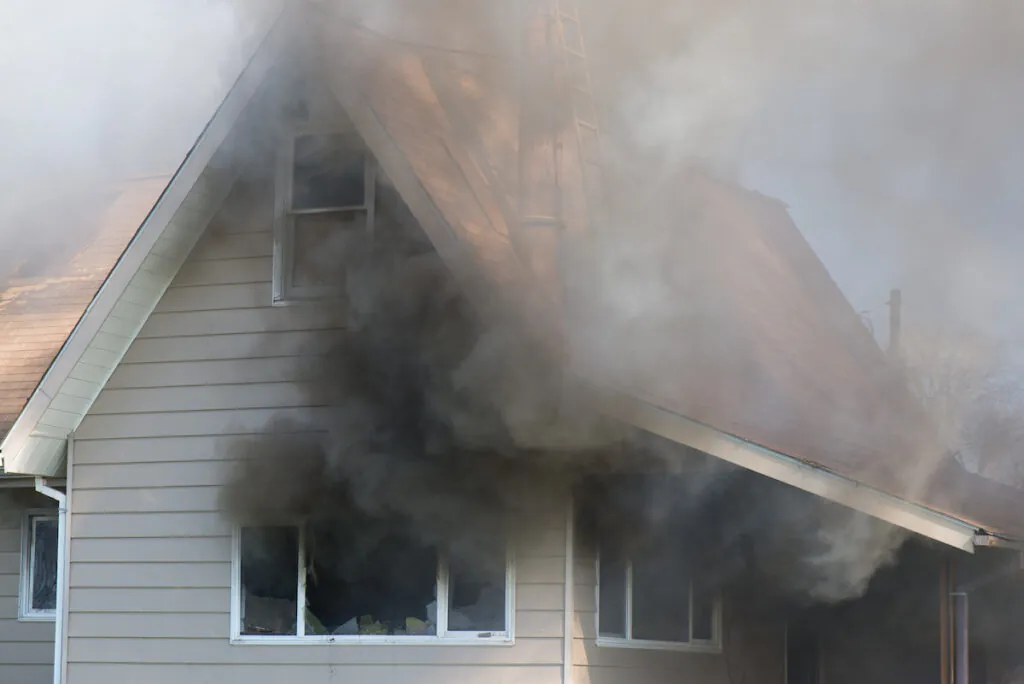
Even after a fire is extinguished, smoke, soot, and odor can continue to affect your home. Fire damage restoration services address visible damage while also helping reduce lingering effects that impact indoor air quality and surfaces.
Explore Our Fire and Smoke Damage Restoration Services
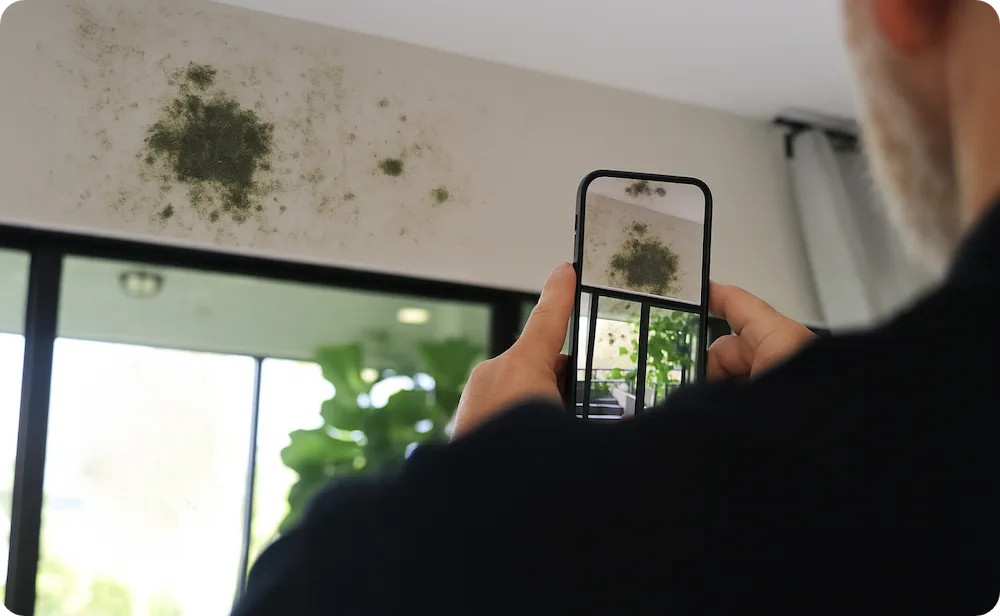
Mold often develops as a result of unresolved moisture or hidden water damage. Professional mold remediation helps identify affected areas, contain growth, and restore healthy indoor conditions.
Explore Our Mold Removal and Remediation Services
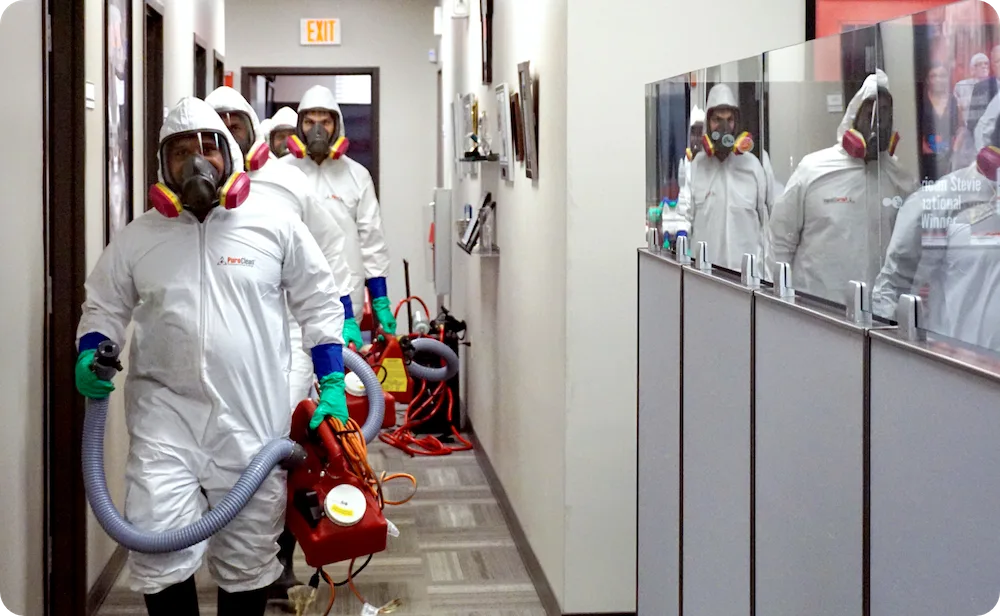
Biohazard situations, including crime scene cleanup and virus decontamination, require specialized cleaning and handling to protect health and safety. Biohazard cleanup services address contamination using proper protocols and professional care.
Explore Our Biohazard Cleanup Services
In some cases, property damage requires repairs beyond cleanup and mitigation. Reconstruction services help restore damaged areas of the home after water, fire, or other incidents, supporting a smoother transition from damage to recovery.
Explore Our Reconstruction Services Services
PuroClean provides 24/7 commercial property damage restoration services for businesses and facilities across the United States.
Explore Our Commercial Services
Water damage can result from unexpected leaks, flooding from storms, plumbing failures, or appliance malfunctions. Our certified teams focus on rapid water removal, drying, and stabilization to help prevent further damage and mold growth.
Explore Our Water Damage Mitigation Services


PuroClean of Vineland
(888) 598-1441
3003 N. Mill Road, Building 400, Suite 3, Vineland, NJ 08360

© 2026 PuroClean. All Rights Reserved.