


When the Storm Passes, the Damage May Just Be Beginning
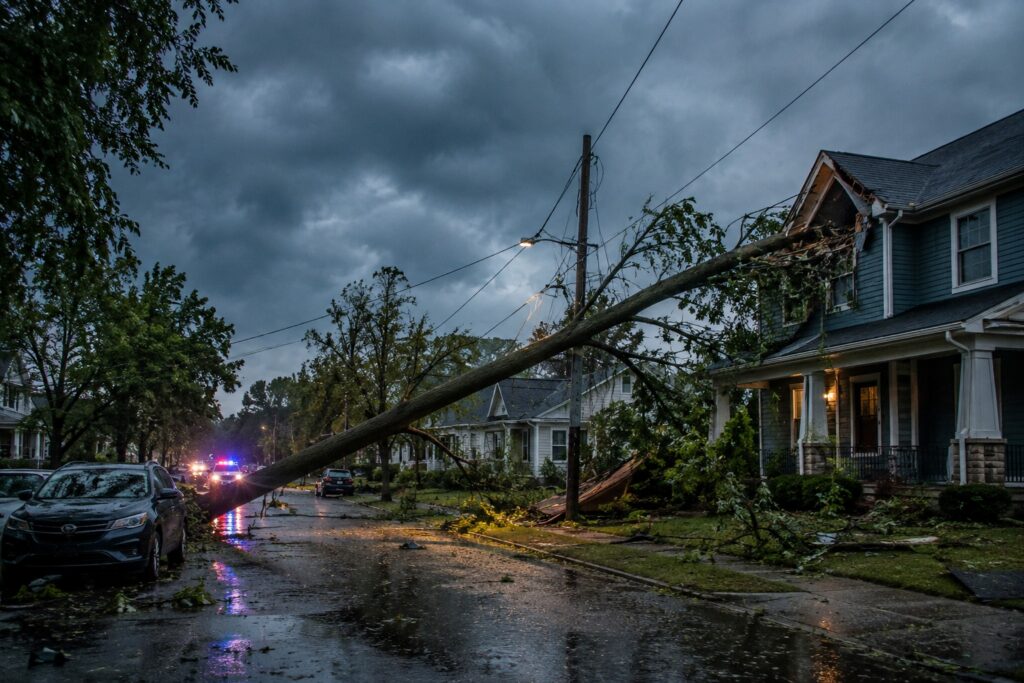
Severe storms can strike quickly, bringing heavy rain, high winds, lightning, and flooding. While the storm itself may last only a few hours, the damage it leaves behind can affect your home or business for much longer.
Roof leaks, flooded basements, broken windows, fallen trees, and water intrusion can all lead to serious property damage. Even a small amount of water entering a building can spread into areas you can’t see.
Knowing what to do after a storm—and acting quickly—can help minimize damage and prevent additional problems.
Common Types of Storm Damage
Storm damage isn’t always obvious. While a flooded basement or damaged roof may be easy to spot, water can travel behind walls, underneath flooring, and into insulation before you realize there is a problem.
Common storm-related property damage includes:
- Flooded basements and crawlspaces
- Roof and ceiling leaks
- Water entering around windows and doors
- Sump pump failures
- Sewage and drain backups
- Wind-driven rain
- Damaged siding and roofing
- Fallen trees and branches
- Wet drywall and insulation
- Water-damaged flooring and carpeting
- Electrical damage
- Mold growth resulting from excess moisture
After a significant storm, it’s important to inspect your property carefully—even if you don’t immediately see standing water.
What Should You Do After Storm Damage?
1. Make Safety Your First Priority
Before entering a damaged area, look for potential hazards such as standing water near electrical equipment, damaged wiring, unstable ceilings, broken glass, contaminated water, or structural damage.
If you’re unsure whether an area is safe, stay out and contact a qualified professional.
2. Identify and Stop the Source of Water
If possible and safe, determine where the water is entering.
A plumbing leak may require shutting off the water supply. Roof or exterior damage may require emergency tarping or board-up services to prevent additional rain from entering the building.
With groundwater or storm flooding, professional extraction equipment may be necessary to remove the water.
3. Document the Damage
Take photographs and videos of the affected areas before moving or disposing of damaged property, provided it is safe to do so.
Document damaged walls, flooring, ceilings, furniture, appliances, and personal belongings. If you intend to file an insurance claim, contact your insurance company promptly and follow its instructions regarding documentation and emergency repairs.
4. Remove Standing Water Quickly
Water damage becomes more difficult to address the longer moisture remains in the structure.
Drywall, insulation, wood, carpeting, flooring, cabinets, and other porous materials can absorb water. Removing the visible standing water doesn’t necessarily mean the property is dry.
Professional water mitigation may be necessary to extract water and begin the structural drying process.
The Water You Can’t See Can Cause Problems
One of the biggest concerns following storm damage is hidden moisture.
Water can migrate underneath flooring, behind baseboards, inside wall cavities, and into insulation. These areas may remain wet long after the visible water has been removed.
Professional restoration companies use specialized moisture meters and other equipment to help identify areas where moisture may be trapped.
Depending on the extent of the damage, the drying process may include:
- Professional water extraction
- Air movers
- Commercial dehumidifiers
- Moisture monitoring
- Removal of unsalvageable materials
- Cleaning and antimicrobial treatment when appropriate
The goal isn’t simply to make the property look dry. The affected structure needs to be properly dried.
Storm Damage Can Lead to Mold
Water damage and mold often go hand in hand.
When building materials remain wet, conditions can become favorable for mold growth. That’s one reason it’s important to address storm-related water intrusion as quickly as possible.
Warning signs can include musty odors, staining or discoloration, damp drywall, warped materials, and visible mold growth.
If mold is discovered, simply spraying or wiping the visible area may not address the underlying problem. The source of moisture must first be identified and corrected, followed by appropriate remediation of affected materials.
What About Floodwater and Sewage?
Not all water damage should be treated the same.
Water entering from outside flooding, sewage backups, or contaminated sources can contain bacteria, microorganisms, chemicals, and other potentially harmful contaminants.
Avoid direct contact with potentially contaminated water. These situations may require specialized personal protective equipment, removal of contaminated porous materials, cleaning, and professional remediation procedures.
Don’t Forget About Fire and Smoke Damage
Storms can also create fire-related hazards.
Lightning strikes, electrical damage, downed power lines, and damaged electrical systems can potentially result in fires. Even a relatively small fire can leave smoke and soot throughout areas of a property that weren’t directly affected by flames.
Fire restoration may involve removing damaged materials, cleaning soot and smoke residue, addressing odors, cleaning contents, and restoring affected areas.
Never enter a fire-damaged structure until authorities have determined it is safe.
Preparing for the Next Storm
You can’t prevent severe weather, but there are steps you can take to reduce your property’s vulnerability.
Before the next major storm:
- Clean gutters and downspouts.
- Make sure downspouts direct water away from the foundation.
- Test your sump pump.
- Consider installing a battery backup for your sump pump.
- Inspect your roof for missing or damaged shingles.
- Check windows and doors for potential water intrusion.
- Trim damaged or dangerous tree limbs.
- Keep important belongings off basement and crawlspace floors.
- Know where your main water shutoff is located.
- Review your property insurance coverage before you need it.
Taking a few preventative steps now could make a significant difference when the next severe storm arrives.
Professional Storm Damage Restoration
When your home or business suffers storm damage, time matters.
A professional restoration company can assess the extent of the damage, extract standing water, identify hidden moisture, establish drying equipment, remove damaged materials when necessary, and address mold, smoke, odor, and other storm-related concerns.
The sooner the restoration process begins, the better the opportunity to minimize additional damage and restore your property.
Need Help After a Storm?
If your home or business has experienced storm, water, fire, smoke, or mold damage, PuroClean of Vineland is ready to help.
PuroClean of Vineland
Water • Fire • Mold • Property Restoration
24/7 Emergency Restoration Services
Call (888) 598-1441