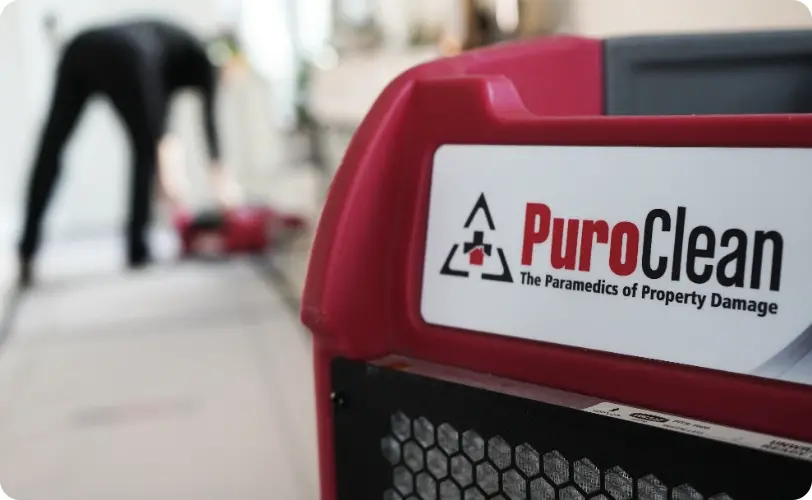
24/7 Emergency Basement Flood Cleanup Millville Services in Vineland, NJ
A flooded basement in Millville can become a serious property problem long before water reaches the stairs. Even a few inches of standing water can soak stored belongings, spread beneath finished flooring, and wick into drywall and insulation. If flooding occurs while you are away or during an overnight storm, moisture may reach concealed building materials before the damage is discovered.
PuroClean of Vineland provides professional basement flood cleanup in Millville, NJ, helping homeowners and businesses recover from heavy rainfall, sump pump failures, plumbing leaks, stormwater intrusion, and other basement water emergencies. Our restoration process can include water extraction, moisture assessment, evaluation of affected materials, appropriate cleaning, structural drying, and moisture monitoring.
Is your basement flooded right now? Do not enter standing water when electrical safety is uncertain, avoid contact with potentially contaminated water, and stay away from damaged or unstable building materials. If the basement is deeply flooded and the surrounding ground is saturated, pumping water out too quickly may also create structural risks.
Call (888) 598-1441 to discuss your basement flooding and available restoration options.
The first priority after discovering basement flooding is determining whether it is safe to enter. Basements often contain electrical panels, furnaces, water heaters, appliances, and other equipment that may create hazards when exposed to water.
Take these steps when safe and appropriate:
1. Do not enter water near electrical equipment. If outlets, wiring, appliances, or an electrical panel may be affected, stay out of the basement. Do not approach a submerged breaker panel to shut off the power. Contact your utility provider or a qualified electrician.
2. Identify the water source without taking unnecessary risks. A broken supply pipe, sump pump failure, surface flooding, and sewage backup require different responses. You do not need to enter unsafe water to investigate.
3. Stop a plumbing leak if the shutoff is safely accessible. If a burst pipe or appliance is responsible, turning off the appropriate water supply can help prevent additional damage. Do not attempt to operate equipment in a flooded area.
4. Do not rapidly pump out a deeply flooded basement. When the surrounding soil remains saturated, removing interior water too quickly may place dangerous pressure on basement walls and floors. Arrange professional assessment before pumping substantial amounts of water.
5. Photograph the damage when safe. Record the waterline, affected rooms, damaged belongings, and any visible source of flooding. Do not delay necessary emergency mitigation solely to take photographs.
6. Protect belongings outside the affected area. Move dry, portable items to a safe location if you can do so without entering the flooded space. Keep children and pets away from potentially contaminated water.
7. Arrange professional water extraction and moisture assessment. Removing visible water is only one part of the work. Drywall, insulation, flooring, framing, and stored materials may remain wet afterward.
8. Contact your insurance carrier. Ask about documentation, emergency mitigation, and applicable coverage. Keep receipts and records of work performed.
This is an important safety issue after major storms. When soil outside a basement is saturated, groundwater can exert pressure against foundation walls and upward against the basement floor. Water inside the basement may temporarily balance some of that pressure.
Removing a large amount of water too quickly can create an imbalance that increases the risk of wall movement, floor damage, or structural failure.
FEMA’s guidance on urban flooding and basement recovery advises waiting until exterior floodwater has receded and removing water gradually when these conditions apply.
Do not treat a general pumping recommendation as a do-it-yourself procedure. The safe approach depends on the water depth, surrounding groundwater, foundation condition, and other structural factors. A qualified professional should evaluate significant basement flooding before extensive pumping begins.
Basements flood for different reasons, and identifying the water source is essential. A flooded basement caused by heavy outdoor runoff may require different cleanup and insurance considerations from one affected by a broken indoor water line.
Intense rainfall can cause water to collect around foundations, exterior stairwells, basement windows, and low-lying entrances. Water may enter through gaps, drainage openings, foundation joints, or other vulnerable areas.
Even homes outside mapped high-risk flood zones can experience localized flooding when rainfall overwhelms drainage or exterior grading directs water toward the building.
For broader flooding that extends beyond the basement, visit our flood damage cleanup services in Millville.
Sump pumps are intended to remove water accumulating in a sump pit. But during severe weather, a pump can lose power, develop mechanical problems, become obstructed, or be overwhelmed by incoming water.
A failed sump pump may allow standing water to spread across the basement floor and into finished materials before the homeowner discovers the problem.
Repairing or replacing the pump addresses the equipment problem. It does not remove water already absorbed by drywall, flooring, insulation, framing, or stored belongings.
Learn more about our sump pump failure cleanup in Millville.
A broken supply pipe, leaking water heater, appliance connection, or other plumbing failure can release water into a basement quickly. During cold South Jersey weather, frozen plumbing can also crack and leak as temperatures change.
When it is safe to do so, stopping the water supply helps limit additional damage. Professional extraction and moisture assessment can then address the water already present.
For plumbing-related losses, see our burst pipe water damage cleanup in Millville page.
Not every basement flood involves relatively clean water. Sewage backups can introduce biological contaminants into flooring, walls, stored belongings, and utility areas.
Do not use a household wet vacuum or ordinary fans to clean potentially contaminated wastewater. Avoid direct contact and have the affected materials evaluated.
See our sewage backup cleanup in Millville services for additional information.
Some basements develop recurring moisture problems during prolonged wet weather. Water may seep through foundation joints, wall cracks, or floor-wall intersections when drainage and surrounding soil conditions allow moisture to accumulate.
Water damage restoration addresses affected interior materials, but repeated seepage may require a separate assessment by a drainage, waterproofing, plumbing, or foundation professional to correct the underlying problem.
The observations below can help explain what may have happened. They do not replace an inspection and should never require you to enter unsafe conditions.
| What Happened? | Possible Source | Next Step |
|---|---|---|
| Water appeared after intense rainfall | Surface runoff, drainage issues, or foundation intrusion | Assess exterior water entry, contamination, and interior damage |
| Basement flooded during a power outage | Sump pump or backup power failure | Evaluate pump operation and arrange safe water removal |
| Water appeared near a water heater or supply line | Plumbing or equipment failure | Control the plumbing source safely and assess the damage |
| Wastewater emerged from a floor drain or plumbing fixture | Possible sewer or drain backup | Avoid contact and arrange contaminated water assessment |
| Basement walls become damp after repeated storms | Possible seepage or drainage problem | Investigate the water-entry source and concealed moisture |
Water appearance alone does not reliably establish whether it is contaminated. The source, surrounding conditions, and affected materials all matter.
Millville’s geography includes the Maurice River, Union Lake, established residential areas, and properties with different drainage and construction characteristics. Local flood exposure varies from one address to another.
The City of Millville’s Office of Emergency Management identifies floods, flash floods, severe thunderstorms, hurricanes, and winter storms as local hazards. These events can create property damage, power outages, and unsafe road conditions.
The Maurice River and Union Lake are significant features of Millville’s landscape, but proximity to a waterway does not establish whether an individual home is in a high-risk flood zone.
Some properties may be exposed to river-related flooding, while others may experience localized stormwater accumulation or water entering through basement openings and foundation drainage systems.
To research a specific address, use the FEMA Flood Map Service Center and New Jersey’s Know Your Flood Risk tool. These resources provide broader flood information, but property conditions and drainage patterns still matter.
A strong thunderstorm can produce heavy rain over a relatively short period. When drainage systems cannot keep up, water may accumulate near basement entrances, window wells, and other low points around a home.
Flooding can also occur outside designated high-risk flood zones. New Jersey’s Department of Environmental Protection advises property owners to consider local rainfall and drainage conditions rather than relying solely on historic flood maps.
South Jersey nor’easters and winter storms may bring prolonged precipitation, strong winds, snow, and power interruptions. These conditions can contribute to basement flooding directly or disable sump pumps without functioning backup power.
For interior damage caused by roof leaks or other storm-related problems, see our storm damage restoration services in Millville.
Basement flooding can also affect rental homes and multi-unit properties. Owners and property managers should document unsafe areas, arrange appropriate mitigation, and communicate with affected occupants.
New Jersey’s flood risk notification law, effective for covered sales and rentals beginning March 20, 2024, requires certain flood-risk disclosures from landlords and property sellers.
This law does not determine whether a basement flood is covered by insurance. It is a separate property-disclosure requirement that Millville landlords and prospective buyers should understand.
Every flooded basement requires an approach based on water source, safety, contamination, extent of saturation, and building conditions. A finished basement affected by outdoor floodwater may require different procedures from an unfinished utility area damaged by an indoor plumbing leak.
The first step is identifying electrical, structural, or contamination concerns and determining whether the water source remains active. Unsafe conditions must be addressed before certain restoration activities can begin.
Visible water damage, flooring, drywall, insulation, framing, utility areas, and accessible adjoining spaces are evaluated as appropriate. Moisture measurements can help identify affected materials beyond the visible waterline.
Once the area is safe and any relevant groundwater or structural issues have been addressed, professional extraction equipment may be used to remove standing water.
The amount of water, basement construction, and exterior conditions influence the appropriate extraction approach. Deep flooding may require special precautions rather than immediate complete pumping.
Learn more about basement water extraction in Millville.
Wet drywall, insulation, flooring, furniture, and stored belongings are evaluated to determine what may be safely cleaned and dried and what may require removal. Water contamination and material condition are important factors.
Cleaning procedures depend on the water source and affected surfaces. Outdoor floodwater or sewage-related damage may require additional contamination precautions and removal of certain porous materials.
When appropriate, air movement, dehumidification, and moisture monitoring help address water retained within building materials after visible standing water has been removed.
Moisture readings and material conditions help determine whether the drying process is progressing appropriately. Additional repairs, material replacement, or reconstruction may be necessary after mitigation.
For larger water losses requiring immediate extraction, visit our emergency water removal in Millville service page.
Need help with a flooded basement in Millville?
Call PuroClean of Vineland to discuss water removal, moisture assessment, and appropriate cleanup options.
Homeowners often want to know whether their basement must be completely torn out after flooding. The answer depends on where the water came from, how long materials remained wet, whether contamination is present, and whether materials can be cleaned and dried effectively.
Drywall can absorb water near the floor, and moisture may spread into insulation or concealed framing. Materials exposed to contaminated floodwater may require removal. Other situations may allow selective drying or restoration, depending on conditions.
Carpet padding and some flooring products can retain moisture beneath the visible surface. Contaminated floodwater can make certain porous materials unsuitable for restoration. Flooring that has swollen, separated, or trapped moisture may need removal.
Some wood framing may be suitable for cleaning and controlled drying, depending on its condition and water exposure. Moisture measurements are important because the surface can appear dry while moisture remains within the material.
Concrete and masonry do not absorb or respond to water in the same way as carpet or drywall, but they can still retain moisture and require appropriate cleaning. Finishes attached to these surfaces may trap dampness and need further evaluation.
Basements often contain cardboard boxes, holiday decorations, clothing, furniture, electronics, and important records. Whether these items can be restored depends on their construction and exposure.
Do not bring contaminated belongings into clean living areas without evaluating how they should be handled. Preserve photographs and documentation of damaged items for insurance purposes where appropriate.
The absence of standing water does not mean a basement is dry. Moisture can migrate through porous materials or become trapped in enclosed assemblies.
Hidden basement moisture may remain:
Persistent dampness can contribute to deterioration, odors, and conditions favorable to mold. Moisture assessment and monitoring help determine what additional work is appropriate.
Yes. Basement flooding can leave moisture inside drywall, insulation, carpet padding, wood framing, furniture, and other absorbent materials. If moisture remains, conditions may become favorable to mold growth.
The U.S. Environmental Protection Agency recommends drying flood-affected homes and belongings as quickly as possible, ideally within 24 to 48 hours. Materials that cannot be properly cleaned and dried may need removal, particularly when contaminated floodwater is involved.
The 24–48-hour guidance is not a guarantee that mold will or will not develop at an exact time. The condition of the materials and any previous moisture problems also matter.
If visible mold, recurring dampness, or musty odors remain after flooding, a separate mold assessment may be necessary.
Learn more about our basement mold remediation services in Millville.
There is no reliable flat price for every flooded basement. A small, accessible water loss involving limited materials is very different from a deeply flooded finished basement with contaminated water, damaged insulation, and extensive material replacement needs.
The primary factors affecting restoration scope and cost include:
A property-specific assessment is necessary to determine the appropriate work. Be cautious of any estimate that assumes every flooded basement requires the same equipment, drying time, or material removal.
The cause of the water damage is one of the most important factors in determining coverage. New Jersey homeowners policies may treat sudden indoor plumbing failures differently from rising outdoor floodwater, sewer backups, or sump pump failures.
According to the New Jersey Department of Banking and Insurance, standard homeowners policies generally exclude flooding caused by rising external water. Separate flood insurance may be needed for qualifying flood losses.
Coverage for sump pump overflow or sewer backup may require a separate endorsement, depending on the policy. Homeowners should check whether that coverage exists and whether limits or exclusions apply.
Do not assume every sump pump failure is covered simply because it occurred during heavy rainfall. The exact cause and policy terms matter.
This is especially important for homeowners with finished basements.
Under the National Flood Insurance Program, basement coverage is limited. Certain installed building equipment, such as furnaces, water heaters, electrical components, and sump pumps, may qualify for coverage under applicable policy terms.
However, finished basement improvements, many furnishings, and personal belongings commonly face significant restrictions. A finished basement does not automatically receive the same flood insurance coverage as above-ground living spaces.
Private flood insurance policies may differ. Ask your insurer to explain what your policy covers for basement walls, flooring, furniture, storage, equipment, and cleanup expenses.
Document the damage when safe, but do not delay necessary emergency mitigation solely to collect photographs. Follow your insurance carrier’s instructions about damaged materials and required records.
PuroClean can document the restoration work performed. Insurance coverage, deductibles, and claim-payment decisions are determined under the applicable policy.
Not all basement flooding can be prevented, particularly during significant weather events. But several maintenance and planning measures may reduce the likelihood or extent of recurring water damage.
If your basement floods repeatedly, restoration alone will not resolve the underlying problem. A qualified drainage, plumbing, foundation, or waterproofing contractor may be needed to investigate and correct the cause.
Basement water damage can affect single-family homes, rental properties, commercial storage areas, offices, and buildings with below-grade utility spaces.
Finished basements often contain additional materials that absorb moisture, including drywall, carpet, insulation, and cabinets. Unfinished spaces may still contain vulnerable mechanical equipment, stored contents, framing, and other building components.
PuroClean of Vineland serves Millville properties, subject to service availability and the nature of the loss. Our approach focuses on safety, the source of water, affected materials, and appropriate restoration procedures.
For standing-water extraction, basement moisture assessment, cleanup, and structural drying, contact PuroClean of Vineland at (888) 598-1441. If electrical, structural, or other immediate safety hazards are present, contact emergency services or the appropriate qualified professional first.
Stay out of standing water if electrical safety is uncertain. Identify the water source without entering unsafe areas, document damage when possible, and arrange appropriate professional assessment and cleanup.
Small, limited water losses may sometimes be manageable when there are no electrical, contamination, or structural concerns. However, significant flooding requires caution. If the basement is deeply flooded and surrounding soil is saturated, rapid pumping can create structural risks. Professional evaluation is recommended.
Yes. Sump pumps can fail during power outages, develop mechanical problems, become obstructed, or be overwhelmed by incoming water. Some water may also enter through pathways outside the sump system’s control.
Basement water extraction focuses on removing standing water. Basement flood cleanup is broader and may include contamination assessment, damaged material evaluation, cleaning, moisture detection, structural drying, and restoration after extraction.
Drying may take several days, but the timeline varies with water depth, affected materials, humidity, contamination, and the building’s construction. Extensive flooding or material replacement can increase the overall restoration time.
Not always. The appropriate decision depends on the water source, contamination, saturation, material condition, and whether the drywall and surrounding assembly can be safely and effectively dried. Contaminated materials may require removal.
Sometimes. Certain flooring materials may be restorable, while carpet padding, swollen laminate, or flooring exposed to contaminated floodwater may require removal. The subfloor and concealed moisture also need consideration.
Yes. Heavy rainfall, runoff, drainage problems, sump pump failure, and plumbing issues can cause basement flooding outside mapped high-risk flood areas. Official flood maps and property-specific drainage conditions both matter.
Coverage depends on the cause. Sudden indoor plumbing losses may be treated differently from surface flooding, sump pump failures, or sewage backups. Standard homeowners insurance generally excludes rising external floodwater, and certain other water losses may require endorsements.
NFIP flood insurance provides limited basement coverage for qualifying items and equipment. Finished basement improvements, many furnishings, and personal belongings may not be covered. Review your specific flood policy with your insurer.
Yes. Persistent moisture inside drywall, insulation, flooring, stored materials, and framing can create conditions favorable to mold growth. Prompt cleaning, appropriate material handling, and thorough drying help reduce the risk.
PuroClean of Vineland provides restoration services for residential and commercial properties, subject to the nature of the loss and service availability. Contact our office to discuss the affected building and available restoration options.
A flooded basement can affect more than the visible floor. Water may spread into insulation, drywall, framing, cabinets, flooring, and stored belongings while creating electrical or contamination concerns.
PuroClean of Vineland provides professional basement flood cleanup in Millville, New Jersey, including safe water extraction, moisture assessment, material evaluation, appropriate cleaning, structural drying, and moisture monitoring for affected homes and businesses.
Call (888) 598-1441 to discuss your basement flooding and available restoration services.
What Our Customers Say:
Find answers to common questions about our services
You can check the walls and ceilings for water stains, the floors for warping and buckling, and the pipes for corrosion, leaks, missing grout, and mold. Attics and basements may have damaged flooring, mildew or mold, dampness, and odors. Also, be sure to inspect the exterior of the home for cracked roof tiles, puddles, standing water, and whether the ground is sloping away from the house.
First, if safe, shut off the utilities in your home to avoid further damage. Don’t enter your home if it has suffered structural damage. Don’t walk through floodwater if electricity hasn’t been turned off, and avoid contaminants. Next, contact a water-damage restoration company, such as PuroClean of Vineland, as soon as possible. Don’t wait, as water can cause mold and irremediable damage to the wood, walls, and carpet. Then, depending on the extent of the damage and the recommendation of the remediation company, contact your insurance provider to start the claim process.
There are many variables that determine whether a flooded property can be saved: the amount of water, and even more important, the amount of time the water was in/around the property. Every situation is different, and PuroClean of Vineland expert restoration professionals can determine what can be salved once one site.
Property water damage can pose several dangers including structural instability, electrical hazards, mold and mildew growth leading to health issues, contamination from sewage or chemicals, and potential collapse of weakened structures.
Water flooding can cause extensive damage including structural damage to walls, floors, and foundations, damage to personal belongings, electrical hazards, and potential health risks from mold and bacteria growth. The longer water sits, the more severe the damage becomes.
Water damage can result from unexpected leaks, flooding from storms, plumbing failures, or appliance malfunctions. Our certified teams focus on rapid water removal, drying, and stabilization to help prevent further damage and mold growth.
 Explore Our Water Damage Mitigation Services
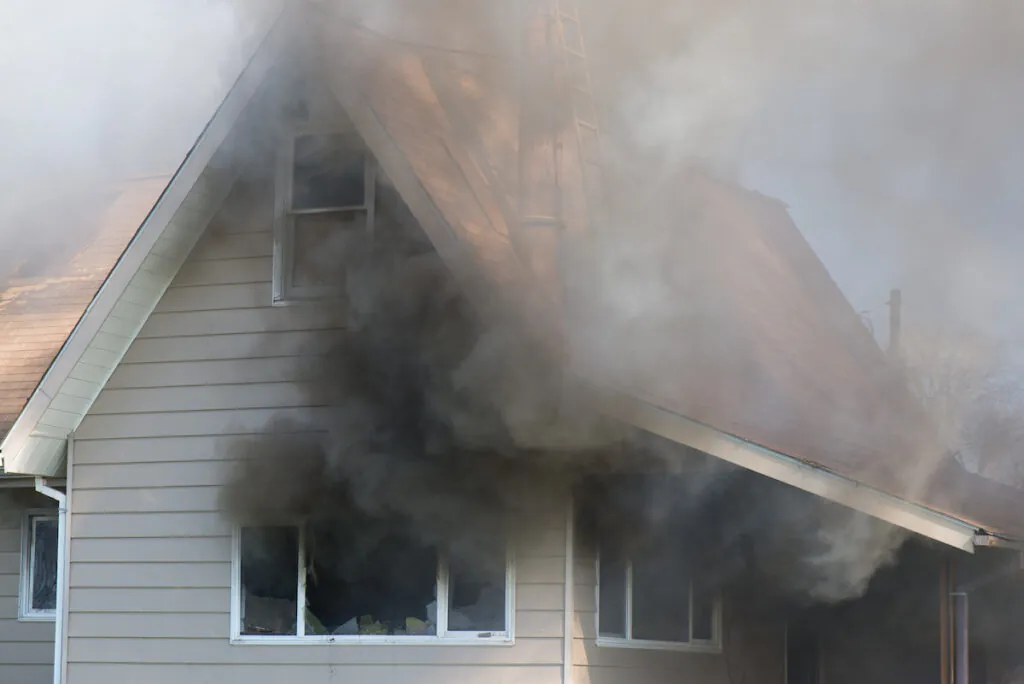
Even after a fire is extinguished, smoke, soot, and odor can continue to affect your home. Fire damage restoration services address visible damage while also helping reduce lingering effects that impact indoor air quality and surfaces.
Explore Our Fire and Smoke Damage Restoration Services
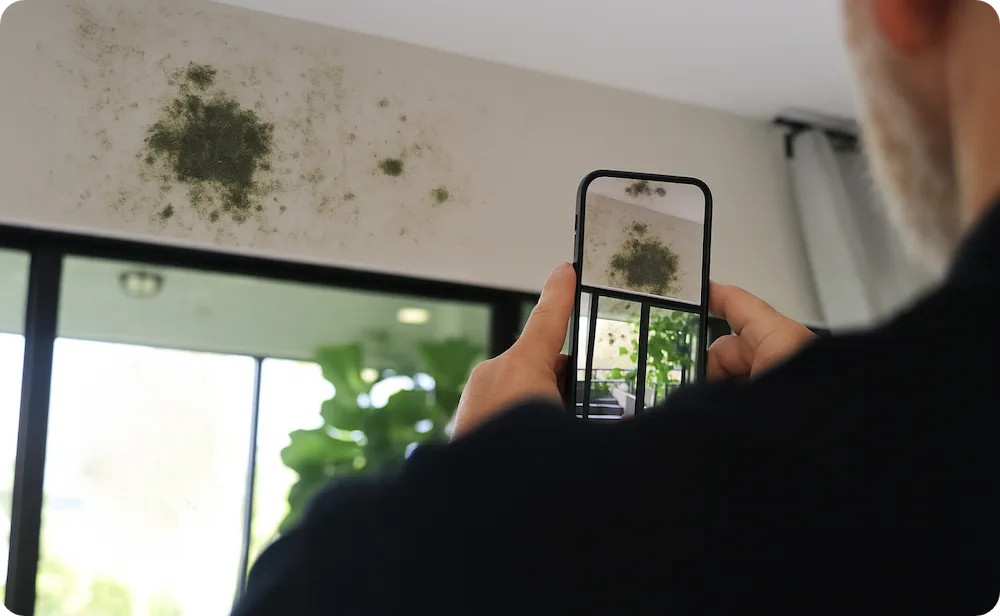
Mold often develops as a result of unresolved moisture or hidden water damage. Professional mold remediation helps identify affected areas, contain growth, and restore healthy indoor conditions.
Explore Our Mold Removal and Remediation Services
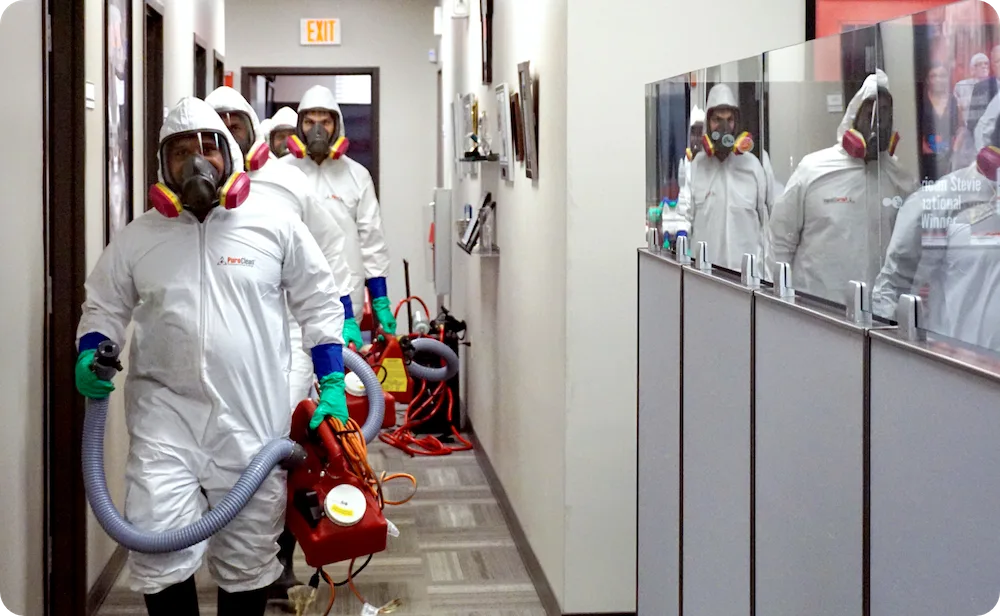
Biohazard situations, including crime scene cleanup and virus decontamination, require specialized cleaning and handling to protect health and safety. Biohazard cleanup services address contamination using proper protocols and professional care.
Explore Our Biohazard Cleanup Services
In some cases, property damage requires repairs beyond cleanup and mitigation. Reconstruction services help restore damaged areas of the home after water, fire, or other incidents, supporting a smoother transition from damage to recovery.
Explore Our Reconstruction Services Services
PuroClean provides 24/7 commercial property damage restoration services for businesses and facilities across the United States.
Explore Our Commercial Services
Water damage can result from unexpected leaks, flooding from storms, plumbing failures, or appliance malfunctions. Our certified teams focus on rapid water removal, drying, and stabilization to help prevent further damage and mold growth.
Explore Our Water Damage Mitigation Services


PuroClean of Vineland
(888) 598-1441
3003 N. Mill Road, Building 400, Suite 3, Vineland, NJ 08360

© 2026 PuroClean. All Rights Reserved.